Week of 2 November 2026

International Review of Books

Short, spoiler-free reviews of the books topping the UK and US charts, organised by genre, with every ranking linked to its source. To write a review and become a part-time paid editorial reviewer, please see the link at the bottom of this page. Writing a review does not guarantee a paid position.

Read the latest reviews

This Week at IRB

Week of 2 November 2026

A Shadowhunter finale begins, holiday romance climbs the charts, and Canada's Giller Prize comes into view

Welcome to the first edition of This Week at IRB, our new Monday look at the books shaping the conversation. Each week we pick out what's trending, the biggest new release and one discovery from our International shelf, always pointing back to the charts and coverage behind each choice.

November has started at full speed. Cassandra Clare has begun the final chapter of her Shadowhunter saga, Abby Jimenez's holiday novellas have arrived high on the national hardcover lists, and new novels from John Scalzi and Weina Dai Randel are fresh on the shelves. Further north, the Giller Prize shortlist is heading towards its winner announcement on November 16, and Michelle Good's Eliza Sunshine is one of the five finalists.

As always, our reviews are spoiler-free and every ranking links to its source. Browse by genre, explore the International page, or come back next Monday for the next edition. Thank you for reading with us.

— The IRB Editors

Biggest New Release

The Last King of Faerie

Cassandra Clare

Published on November 3, The Last King of Faerie opens The Wicked Powers, the final trilogy in Cassandra Clare's Shadowhunter Chronicles. It was already #4 on Amazon's Teen & Young Adult Hot New Releases chart on publication day. Dru Blackthorn's kidnapping into Faerie launches the endgame that fans have waited nearly two decades to reach.

Read our review of The Last King of Faerie →

International Discovery

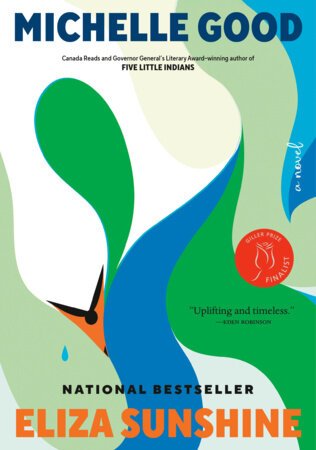
Eliza Sunshine

Michelle Good

From Canada, Michelle Good's Eliza Sunshine is one of five novels shortlisted for the 2026 Giller Prize, whose winner will be announced on November 16. The author of the award-winning Five Little Indians follows three generations of Cree women in a family saga rooted in oral storytelling, resilience and hard-won hope.

Read our review of Eliza Sunshine →

Also on our radar: Monsters of Ohio (John Scalzi), Sunrise on the Reaping (Suzanne Collins), Wild People Quiet (Tara Gereaux).

Past editions →

Free weekly newsletter

Get This Week at IRB in your inbox every Monday

The week’s trending books, the biggest new release and an international discovery, plus our newest reviews — in one short email.

Win a $100 gift card every month: share your personal IRB link and the reader whose link brings the most newsletter sign-ups wins. Enter now →

Browse by genre

International

English-language books first published outside the US and making news around the world: prize winners, shortlisted titles and critics’ favourites from Australia, Canada, India, Ireland, New Zealand and the United Kingdom.

Explore 16 international titles

Latest reviews

Cover of The Anomaly: A Time-Phase Slip by Robert G. Williscroft
Company Pick

The Anomaly: A Time-Phase Slip

Robert G. Williscroft

Science Fiction
15 August 2026

Short review (260 words)

“The Anomaly drew me in with a single, unforgettable question: “Was the anomaly a system failure… or four human beings with the right to exist?” It is the kind of question that transcends genre, reaching into the deepest mysteries of identity, consciousness, and what it truly means to be human.

From that moment, I was captivated.

Robert G. Williscroft has written far more than an epic of space and time. Beneath its sweeping scope lies an intensely human story, one in which courage, sacrifice, memory, and love become the forces that shape reality itself. Jax Harlan, Mira Thorne, Kai Okafor, and Asha Dey are not simply protagonists navigating extraordinary circumstances; they are fully realised individuals whose choices carry genuine emotional and philosophical weight.

The finest novels dissolve the boundaries of genre, replacing familiar expectations with wonder, and The Anomaly accomplishes precisely that.

Its speculative ideas are bold, but they never overwhelm the narrative. Instead, they illuminate the characters’ journeys, inviting the reader to reflect on destiny, free will, and the enduring significance of individual lives.

If I have one reservation, it is only that the richness of this world seems to demand even more space. The material could easily have sustained a remarkable trilogy.

The Anomaly is an ambitious, intelligent, and deeply moving novel that lingers long after the final page. It is a rare work that satisfies both the imagination and the heart, reminding us that the greatest journeys through space ultimately lead inward, to the enduring mystery of what it means to exist.” The International Review of Books.

Chart & sources

Publisher / retailer page

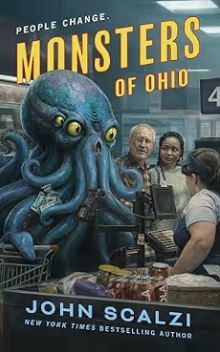
Cover of Monsters of Ohio by John Scalzi
Bestseller

Monsters of Ohio

John Scalzi

Science Fiction
Tor Books · 3 November 2026

Short review (185 words)

John Scalzi has built a career on making big science-fiction ideas feel like a conversation with a very funny friend, and Monsters of Ohio points that talent at a small Midwestern town that is already having a bad year. Mike Boyd, recently laid off from a government job, heads home to Richland, Ohio, just as the local food plant that keeps the place afloat is being wound down by private-equity owners.

Then a prize cow explodes, and some of the townsfolk start turning into something else entirely. Mike teams up with Dave, an old friend who now wears a police badge, and Andi, a newcomer running the town festival, to work out what is happening before Richland stops being Richland. The joy here is the mix: creature-feature chaos sits alongside a sharp, affectionate look at what happens to places that the economy decides it no longer needs. It is out this week and already climbing the new-release charts, and it reads like the kind of book you finish in two sittings and then press on a friend who swears they do not like science fiction.

Chart & sources

Publisher / retailer page
Full review (251 words)

John Scalzi has built a career on making big science-fiction ideas feel like a conversation with a very funny friend, and Monsters of Ohio points that talent at a small Midwestern town that is already having a bad year. Mike Boyd, recently laid off from his government job, heads home to Richland, Ohio, just as the food-processing plant that keeps the town afloat is being wound down by its private-equity owners.

Then a prize cow explodes at the worst possible moment, and some of the locals begin transforming into creatures nobody has a name for. Mike falls in with Dave, an old friend who is now a police officer, and Andi, a newcomer who has taken on the thankless job of running the town festival. Together they try to piece together what is going on while the rest of Richland argues, panics and, in a few memorable cases, grows extra limbs.

What lifts the book above a simple monster romp is its setting. Scalzi clearly cares about towns like Richland, and the comedy never punches down at the people who live there. The real horror is quieter: shuttered factories, absentee owners and the sense that decisions about a community's future are being made somewhere far away. The jokes land, the pacing is brisk and the central trio are easy company. Readers who came to Scalzi through Old Man's War or The Kaiju Preservation Society will find the same warmth and wit, now wrapped around a story about home, work and belonging.

Cover of The Last King of Faerie by Cassandra Clare
Bestseller

The Last King of Faerie

Cassandra Clare

Young Adult & New Adult
Knopf Books for Young Readers · 3 November 2026

Short review (168 words)

Cassandra Clare's Shadowhunter books have kept readers hooked for nearly two decades, and The Last King of Faerie opens The Wicked Powers, billed as the final trilogy in that sprawling saga. Out this week, it picks up threads that fans have been waiting years to see resolved. Dru Blackthorn is snatched away into the realm of Faerie by Ash Morgenstern, a prince with dangerous ambitions, while Kit Herondale and Ty Blackthorn find themselves investigating a disappearance of their own.

Clare is at her best when juggling multiple storylines, and she does so here with plenty of banter, yearning and sudden reversals. Faerie is lush and treacherous, a court where every promise has teeth, and the shifting points of view keep the momentum high across a long book. It is very much written for those already invested in the Blackthorns and Herondales, so newcomers would do better starting earlier in the series. For existing fans, though, this is a big, romantic, adventurous opening to the end of an era.

Chart & sources

Publisher / retailer page
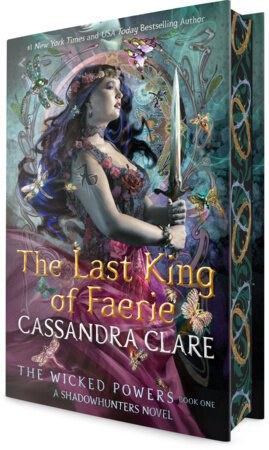
Full review (257 words)

Cassandra Clare's Shadowhunter books have kept readers hooked for nearly two decades, and The Last King of Faerie opens The Wicked Powers, billed as the final trilogy in that sprawling saga. Published this week, it picks up threads that devoted fans have been waiting years to see resolved, and it is already near the top of the teen new-release chart.

The story moves on several fronts. Dru Blackthorn is taken into the realm of Faerie by Ash Morgenstern, a prince whose ambitions could reshape both the mortal and magical worlds. Meanwhile Kit Herondale and Ty Blackthorn are drawn into investigating a disappearance that seems to connect to much larger dangers. As the strands begin to weave together, old loyalties are tested and long-simmering feelings come to the surface.

Clare is at her best when she is juggling a large cast, and she does so here with a familiar mix of witty banter, longing glances and sudden reversals. Faerie is lush, beautiful and treacherous, a court where every bargain hides a trap and every kindness may be a strategy. The alternating viewpoints keep the momentum high across a long book, and there are several moments that will have fans gasping.

This is very much a book for readers already invested in the Blackthorns and Herondales. Newcomers will find the backstory dense, and would be better off starting with The Dark Artifices or earlier series. For those who have followed the Shadowhunters this far, though, it is a big, romantic and adventurous beginning to the end of an era.

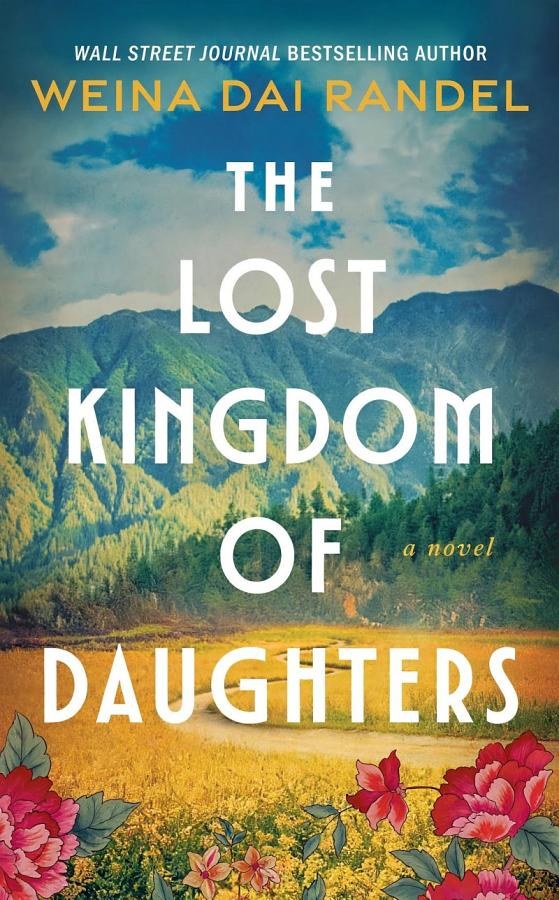
Cover of The Lost Kingdom of Daughters by Weina Dai Randel
Bestseller

The Lost Kingdom of Daughters

Weina Dai Randel

Historical Fiction
Lake Union Publishing · 1 November 2026

Short review (173 words)

Weina Dai Randel, author of The Last Rose of Shanghai, sets her new novel in a corner of China that few readers will have encountered in fiction. In the 1950s, around Lugu Lake, the Moso people live in a matriarchal society where there is no marriage and women choose their own partners. Lazo, a young Moso woman, finds her world upended when two American brothers become stranded nearby: Adam, an artist, and Noah, a physician carrying the weight of a troubled past.

What begins as a tale of cultural encounter develops into a story of love, jealousy and a long-buried secret, told across generations as later characters try to uncover what really happened. Randel writes the lake and mountains with real beauty and treats Moso traditions with curiosity and respect rather than exoticism. The romance is tender, and the slow reveal of the past keeps the pages turning. It is already near the top of the US historical fiction new-release chart, and it should appeal to fans of Lisa See or Kristin Hannah.

Chart & sources

Publisher / retailer page
Full review (255 words)

Weina Dai Randel, author of The Last Rose of Shanghai, sets her new novel in a corner of China that few readers will have met in fiction. In the 1950s, around the shores of Lugu Lake, the Moso people live in a matriarchal society where there is no marriage, households are organised around mothers, and women choose their own partners.

Lazo, a spirited young Moso woman, finds her world turned upside down when two American brothers become stranded in the area. Adam is an artist, captivated by the landscape and its people; Noah is a physician who carries the weight of a painful past. As the brothers are drawn into village life, the connections between them and Lazo grow complicated, and affection gives way to rivalry and jealousy.

The story then widens into a multigenerational quest, as later characters try to piece together a secret that has stayed buried for decades. Randel handles the shifts in time with care, letting each revelation reshape what the reader thought they knew about the earlier events.

The real pleasure is the setting. Randel writes the lake and surrounding mountains with genuine beauty and approaches Moso traditions with curiosity and respect rather than treating them as an exotic backdrop. The romance is tender, the family drama is absorbing, and the questions about freedom, belonging and the choices women make give the novel substance. It is already riding high on the US historical fiction new-release chart, and it should appeal to admirers of Lisa See, Kristin Hannah or Janie Chang.

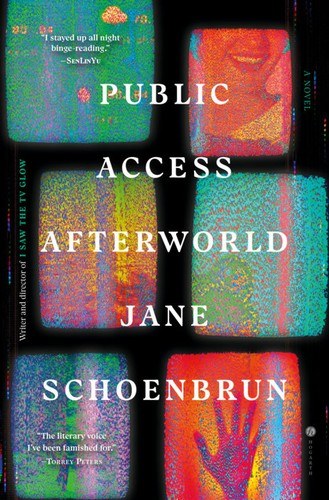
Cover of Public Access Afterworld by Jane Schoenbrun
Bestseller

Public Access Afterworld

Jane Schoenbrun

Horror
Hogarth · 27 October 2026

Short review (174 words)

Jane Schoenbrun, the filmmaker behind I Saw the TV Glow, makes a striking debut as a novelist with Public Access Afterworld, a sprawling, eerie book about the stories that reach us through screens. The novel moves across decades: a local weatherman in late-1980s Dallas, two teenagers in 2009 as American television switches from analogue to digital, and, years later, a content moderator at an enormous tech company in Austin. Linking them is a pirate television channel that seems to broadcast from somewhere beyond the static.

This is horror of atmosphere and identity rather than jump scares. Schoenbrun is fascinated by how media shapes who we think we are, and by the lonely people who find something like home in a flickering signal. The structure is ambitious and at six hundred pages it demands patience, but the prose is hypnotic and the mood unforgettable. Fans of the film will recognise the themes, while newcomers who like David Lynch, Mark Z. Danielewski or creepypasta lore will find a strange and rewarding world to get lost in.

Chart & sources

Publisher / retailer page
Full review (248 words)

Jane Schoenbrun, the filmmaker behind the cult hit I Saw the TV Glow, makes a striking debut as a novelist with Public Access Afterworld, a sprawling and eerie book about the stories that reach us through screens and the people who disappear into them.

The novel unfolds across several decades. In late-1980s Dallas, a local weatherman encounters something he cannot explain. In 2009, as American television switches from analogue to digital broadcasting, two teenagers, David and Erin, become fixated on a signal that should not exist. Years later, Bethany Peters, a trans content moderator at a vast tech company in Austin, finds herself drawn into the same mystery. Linking them all is a pirate channel that appears to transmit from somewhere beyond the static.

This is horror built on atmosphere, memory and identity rather than jump scares. Schoenbrun is fascinated by how media shapes our sense of self, and by the outsiders who find a kind of belonging in late-night broadcasts and online rabbit holes. The book also deals with heavy emotional territory, handled with care, and readers should expect some difficult moments. The structure is ambitious, shifting voices and formats, and at over six hundred pages it asks for patience. Those willing to settle in will be rewarded with hypnotic prose and a mood that lingers long after the last page. Admirers of the film will recognise its preoccupations, and readers who love David Lynch, House of Leaves or internet folklore will find plenty to obsess over.

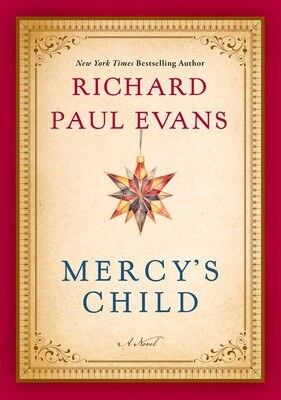
Cover of Mercy's Child by Richard Paul Evans
Bestseller

Mercy's Child

Richard Paul Evans

Historical Fiction
Gallery Books · 20 October 2026

Short review (169 words)

Richard Paul Evans, best known for The Christmas Box, has a loyal readership for heartfelt stories, and Mercy's Child went straight into the hardcover bestseller top twenty in its first week. The novel is set in 1874 and follows Etta Wheeler, a young woman from upstate New York who moves to Gilded Age Manhattan. Working among the tenements of Hell's Kitchen, she encounters a little girl suffering terrible abuse and discovers that the law offers almost no protection to children.

Etta's determination to help sets her against powerful institutions and the assumptions of an entire society. Evans draws on a real nineteenth-century case that helped spark the modern child-protection movement, and the historical setting, from crowded tenements to grand mansions, is sharply drawn. The subject matter is painful, but the book is ultimately about compassion and the difference one stubborn person can make. It is written in a clear, accessible style, making it an easy recommendation for readers who like their historical fiction hopeful and rooted in true events.

Chart & sources

Publisher / retailer page
Full review (254 words)

Richard Paul Evans, best known for The Christmas Box, has a loyal readership for heartfelt stories, and Mercy's Child went straight into the hardcover fiction top twenty in its first week on sale. The novel is set in 1874 and follows Etta Wheeler, a young woman from upstate New York who moves to Manhattan at the height of the Gilded Age.

Working among the overcrowded tenements of Hell's Kitchen, Etta encounters a little girl who is being cruelly mistreated, and she is horrified to learn that the law of the day offers almost nothing to protect children from the adults responsible for them. Refusing to look away, she begins knocking on doors that would rather stay shut, and soon finds herself challenging powerful institutions and the comfortable assumptions of an entire society.

Evans draws on a real nineteenth-century case that helped spark the modern child-protection movement in the United States, and he uses the contrast between the city's grinding poverty and its glittering wealth to strong effect. The subject matter is painful at times, and readers sensitive to depictions of child abuse should be aware of it, though Evans handles those scenes with restraint. The emphasis is firmly on courage, compassion and the difference that one determined person can make.

The prose is clear and accessible, and the pace makes it a quick read despite its weighty theme. It is an easy recommendation for readers who enjoy hopeful, character-led historical fiction grounded in true events, and a natural choice for a winter book club.

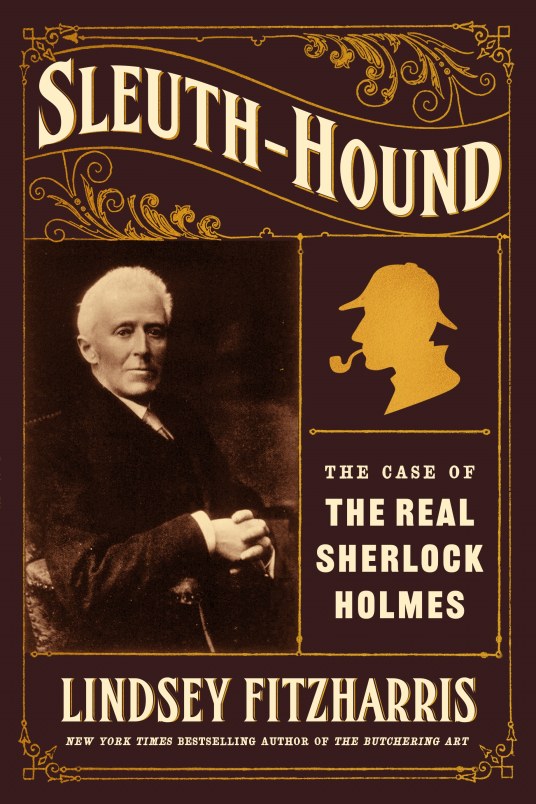
Cover of Sleuth-Hound by Lindsey Fitzharris
Bestseller

Sleuth-Hound

Lindsey Fitzharris

True Crime
Farrar, Straus and Giroux · 20 October 2026

Short review (161 words)

Lindsey Fitzharris, the medical historian behind The Butchering Art and The Facemaker, brings her talent for grisly, gripping storytelling to the birth of forensic investigation in Sleuth-Hound. Her subject is Joseph Bell, the Edinburgh surgeon whose powers of observation so impressed a young medical student named Arthur Conan Doyle that he became a model for Sherlock Holmes.

Fitzharris shows that Bell's real life was every bit as intriguing as his fictional echo. Working alongside the police surgeon Henry Littlejohn, he helped bring scientific reasoning to criminal cases, from poisonings to violent deaths, at a time when such methods were still new. The book also follows his later connection with Conan Doyle, including efforts to overturn a wrongful conviction, and Victorian Britain's obsession with the Whitechapel murders. As ever, Fitzharris balances vivid, sometimes gruesome detail with warmth and wit. It is an ideal read for Holmes fans, history lovers and anyone curious about how detectives first learned to let the evidence speak.

Chart & sources

Publisher / retailer page
Full review (248 words)

Lindsey Fitzharris, the medical historian behind The Butchering Art and The Facemaker, brings her talent for grisly yet gripping storytelling to the birth of forensic investigation in Sleuth-Hound. Her subject is Joseph Bell, the Edinburgh surgeon whose remarkable powers of observation so impressed a young medical student named Arthur Conan Doyle that he became a model for Sherlock Holmes.

Fitzharris quickly shows that Bell's real life was every bit as fascinating as his fictional echo. Working with the city's police surgeon, Henry Littlejohn, he helped bring scientific reasoning into criminal cases at a time when such methods were still novel and often viewed with suspicion. Poisonings, suspicious deaths and courtroom battles fill the pages, and each case reveals something about how Victorian society understood guilt and proof.

The book also follows Bell's later connection with Conan Doyle, including their involvement in efforts to overturn a murder conviction that looked deeply unsafe, and it captures the public frenzy that surrounded the hunt for Jack the Ripper. Throughout, Fitzharris places these stories in their medical and social context, explaining how advances in chemistry, anatomy and observation began to change policing.

As in her earlier books, she balances vivid, sometimes stomach-turning detail with warmth, curiosity and a dry sense of humour, so the history never feels dusty. It is a lively, well-researched account that will delight Holmes fans, history lovers and true crime readers alike, and anyone who has wondered how detectives first learned to let the evidence speak for itself.

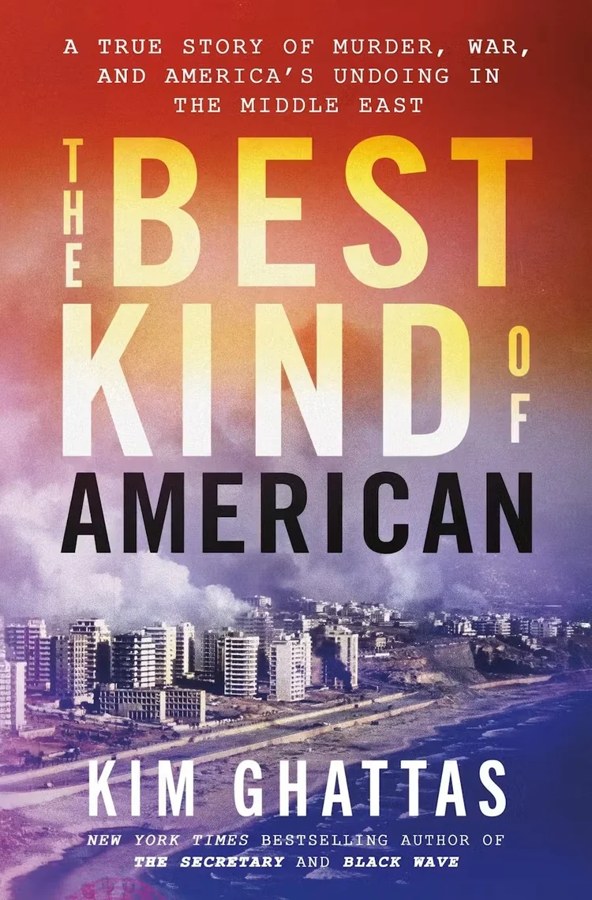
Cover of The Best Kind of American by Kim Ghattas
Bestseller

The Best Kind of American

Kim Ghattas

True Crime
Henry Holt and Co. · 13 October 2026

Short review (167 words)

Kim Ghattas, the Beirut-born journalist behind Black Wave, turns a cold case into a sweeping history in The Best Kind of American. On 18 January 1984, Malcolm Kerr, the president of the American University of Beirut, was shot dead outside his office. He was a respected scholar of the Arab world who loved Lebanon, and his killing was never formally investigated or brought to justice.

Ghattas reconstructs Kerr's life and the circumstances of his death while following his family's long effort to understand what happened. Along the way she traces how Lebanon's civil war became a stage for wider conflicts and how the hostility between the United States, Iran and Israel took shape in those years. It is a book about a murder, but also about memory, loss and the people caught between great powers. Ghattas writes with clarity and personal feeling, having grown up in the city during the war. Readers who enjoy true crime with real historical depth will find this both moving and illuminating.

Chart & sources

Publisher / retailer page
Full review (263 words)

Kim Ghattas, the Beirut-born journalist behind Black Wave, turns a decades-old cold case into a sweeping and personal history in The Best Kind of American. On 18 January 1984, Malcolm Kerr, the president of the American University of Beirut, was shot dead in a corridor outside his office. Kerr was a respected scholar of the Arab world who had grown up partly in Lebanon and loved it deeply, and his killing was never formally investigated or brought to justice.

Ghattas reconstructs Kerr's life and the circumstances of his death with patience and care. She follows his family, including a son who would later become famous in American sport, through their long struggle to learn who was responsible and why, and to come to terms with how little official interest there was in finding out.

The book's scope is much wider than a single crime. Ghattas traces how Lebanon's civil war became a stage on which wider regional and global rivalries played out, and how the enduring hostility between the United States, Iran and Israel took shape in that period. She shows how one man's death sat at the intersection of those forces, and how the consequences continue to be felt.

Having grown up in Beirut during the war herself, Ghattas writes with authority and emotion but never loses her journalistic discipline. The narrative is clear and well paced, guiding readers through complex politics without overwhelming them. For anyone who likes true crime with genuine historical depth, this is a moving and illuminating account of loss, memory and the people caught between great powers.

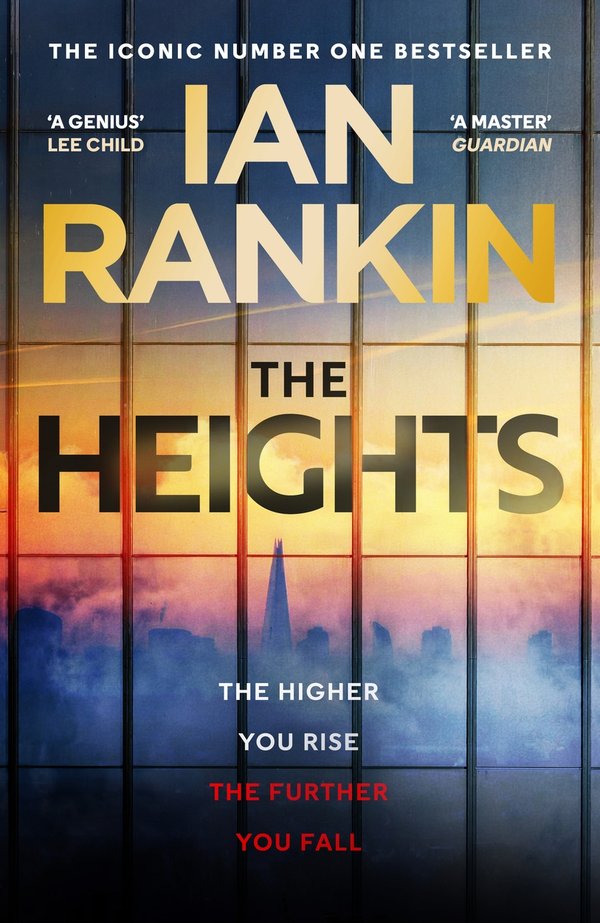
Cover of The Heights by Ian Rankin
Bestseller

The Heights

Ian Rankin

Published in the United Kingdom

Mystery/Thriller/Suspense
Orion · 8 October 2026

Short review (179 words)

Ian Rankin steps away from Edinburgh and John Rebus for his first standalone thriller in about two decades, and the move pays off. The Heights is a sleek, clever whodunnit set in a gleaming new tower overlooking London's Hyde Park, a billionaire's playground of steel and smoked glass.

When the building's night concierge is found dead in the lobby, Detective Sergeant Gillian Gish is sent in to investigate. A born-and-bred Londoner with a sharp tongue and little patience for privilege, she finds herself facing residents who are rich, powerful and very unused to answering questions. Every one of them could be a suspect, and the building itself seems designed to keep outsiders away.

Rankin expanded the novel from an earlier short story, and it has the tight construction of a classic country-house mystery transplanted to a vertical village. The large cast is handled with confidence, the social commentary about wealth and influence is pointed without preaching, and the ending is genuinely ingenious. Gish is a terrific new lead, and many readers will hope she returns. Essential for crime fans.

Coverage & sources

Publisher / retailer page
Full review (235 words)

The Heights is Ian Rankin's first standalone thriller in roughly twenty years, and it finds the creator of John Rebus on fine form in an unfamiliar setting. Published by Orion in October and described by its publisher as an instant Sunday Times bestseller, it was praised in Laura Wilson's Guardian crime round-up as being well up to his usual high standard.

The setting is The Heights, a luxurious new high-rise looming over Hyde Park, built for the global super-rich. Its residents are used to discretion, security and getting their own way. When the night concierge is found murdered in the lobby, that bubble bursts, and Detective Sergeant Gillian Gish arrives to start asking questions. She is a London native, cynical, bolshie and quietly decent, and the gulf between her world and theirs drives much of the novel's energy.

Rankin structures the story like a traditional closed-circle mystery. Each floor brings new suspects with secrets to protect, and a couple of subplots complicate matters further. He keeps the many strands clear and moving, and his eye for the absurdities of extreme wealth gives the book a satirical edge.

What lifts it above a simple puzzle is Gish herself, a heroine with a clear moral compass and a dry wit that makes her excellent company. The final twists are neatly set up and satisfying. Rebus fans will not feel short-changed, and newcomers have an ideal starting point.

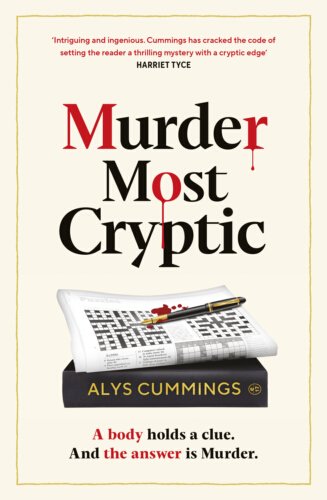
Cover of Murder Most Cryptic by Alys Cummings

Murder Most Cryptic

Alys Cummings

Published in the United Kingdom

Puzzle Mysteries (rising)
Michael Joseph · 8 October 2026

Short review (189 words)

Crime and crosswords collide in Alys Cummings's debut, a puzzle mystery reviewed in The Guardian's October crime round-up and a natural fit for fans of Murdle and Richard Osman. Cummings, a former local newspaper journalist and BBC Panorama staffer from the north-east of England, brings both newsroom savvy and a setter's mischief to the page.

Nina is a promising young journalist who is also an alcoholic. Once a week she attends a recovery group in a church hall. One night a stranger walks in, and the group assume he is a new member, until he promptly drops dead. The police see nothing more than an accident, but in the dead man's pocket is a cryptic crossword clue whose answer is Murder. When more threatening clues begin appearing in a newspaper crossword, Nina and her fellow group members decide to crack the case themselves.

The clues are woven through the story for readers to solve, with answers provided, which makes the book unusually interactive. What gives it depth is the honest portrayal of addiction and recovery beneath the fun. It is a clever, warm and distinctive debut. Sharpen your pencils.

Coverage & sources

Publisher / retailer page
Full review (263 words)

Murder Most Cryptic is the debut novel of Alys Cummings, a journalist who worked on local newspapers, for a news agency at the Old Bailey and for BBC Panorama. Published by Michael Joseph in October and featured in Laura Wilson's Guardian crime round-up, it is a puzzle mystery with a genuinely fresh hook: the clues are cryptic crossword clues, and readers can try to solve them alongside the characters.

The heroine, Nina, is a talented young reporter and a recovering alcoholic who goes to a weekly support group in a local church hall. When an unfamiliar man joins one evening, everyone assumes he has come for help. Moments later he collapses and dies. The police conclude it was an accident, but the group find a crossword clue in his pocket, and the answer is Murder. More clues then start to appear in a newspaper's crossword, each more menacing than the last, and the group realise one of them could be next.

Cummings plays fair with her puzzles, building them into the narrative and supplying the solutions at the end, so solvers and non-solvers alike can enjoy the ride. The cast of misfits is likeable, and their shared struggles with addiction lend the story more emotional weight than the average cosy mystery. There is a darker edge, too, as the threats escalate.

The tone occasionally wobbles between light-hearted puzzling and serious subject matter, and the plot leans on coincidence at times. Still, this is an inventive, entertaining debut, ideal for anyone who starts the day with a crossword and ends it with a whodunnit.

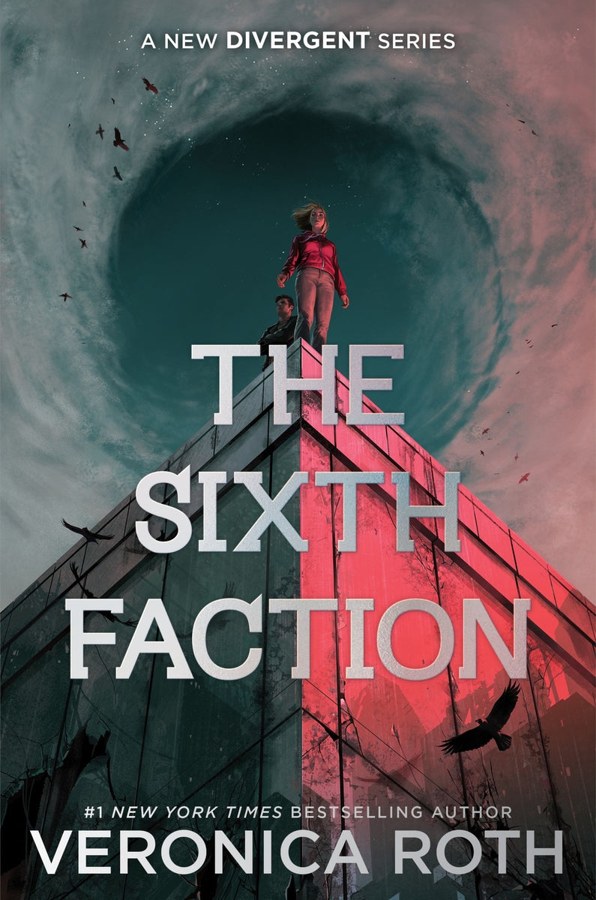
Cover of The Sixth Faction by Veronica Roth
Bestseller

The Sixth Faction

Veronica Roth

Young Adult & New Adult
HarperCollins · 6 October 2026

Short review (170 words)

Veronica Roth returns to the world that made her famous with The Sixth Faction, and it is easily one of the most talked-about young adult releases of the autumn. Rather than a straightforward sequel or prequel, this is an alternate take on the Divergent universe. Beatrice Prior is preparing for the Choosing Ceremony, ready to leave her family's faction and join Dauntless, when a tragedy at the ceremony itself changes everything.

Instead of the path readers remember, Beatrice is drawn toward an underground rebellion and an intriguing boy known only by a number. Roth clearly enjoys playing with expectations: familiar places and faces appear in new configurations, and longtime fans will spend half the book spotting the differences. Yet newcomers can follow it without having read the originals. The action is brisk, the moral questions about conformity and choice feel as sharp as ever, and the cliffhanger ending sets up the second half of a planned duology. A must for nostalgic fans and a fine entry point for new ones.

Chart & sources

Publisher / retailer page
Full review (263 words)

Veronica Roth returns to the world that made her famous with The Sixth Faction, easily one of the most talked-about young adult releases of the autumn. Rather than a conventional sequel or prequel, the novel offers an alternate version of the Divergent universe, asking what might have happened if a single moment had gone differently.

Beatrice Prior is preparing for the Choosing Ceremony, where every sixteen-year-old in her city must commit to one of the factions that structure society. She is ready to leave her family's way of life behind and join the daring Dauntless. Then a tragedy at the ceremony itself sends her life down a completely different road. Instead of the path readers remember, Beatrice finds herself pulled toward an underground rebellion and an intriguing boy known only by a number.

Roth clearly relishes playing with expectations. Familiar locations and characters appear in new arrangements, loyalties shift in surprising directions, and longtime fans will enjoy spotting where this version diverges from the one they know. Crucially, though, the book stands on its own, so newcomers can follow it without having read the original trilogy.

The action is brisk, the world feels lived-in, and the questions at its heart, about conformity, identity and the cost of choosing who you are, remain as pointed as they were more than a decade ago. The book is the first half of a planned duology, with the conclusion expected next year, so be prepared for an ending that leaves you wanting more. A treat for nostalgic fans and an excellent entry point for a new generation.

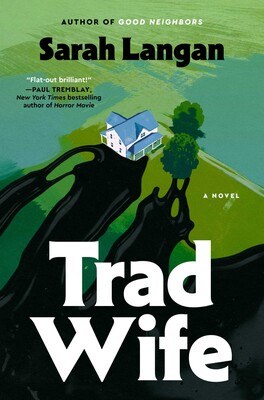
Cover of Trad Wife by Sarah Langan
Bestseller

Trad Wife

Sarah Langan

Horror
Atria Books · 29 September 2026

Short review (168 words)

Sarah Langan, author of Good Neighbors, has a knack for finding the horror hidden inside the things people post online, and Trad Wife may be her most timely novel yet. Jenny Kaplan is a journalist whose career has taken a public hit. Looking for a comeback, she lands a profile of Mia Wright, a hugely popular trad-wife influencer who shares a picture-perfect life of homemaking and motherhood with her seven children on a Pennsylvania farm.

Once Jenny arrives, the idyll starts to wobble. There are odd rhymes in the nursery, gaps in her own memory, and a growing feeling that the farm is not what it appears on screen. Langan blends social satire with genuine creepiness, asking pointed questions about performance, nostalgia and who benefits when women are sold an old-fashioned fantasy. It never reduces Mia to a cartoon, which makes the unease more effective. Readers who enjoyed the cult-adjacent chills of Rosemary's Baby or the satire of The Stepford Wives will find a sharp, modern update here.

Chart & sources

Publisher / retailer page
Full review (247 words)

Sarah Langan, author of Good Neighbors and A Better World, has a talent for finding the dread lurking inside the lives people curate for public view, and Trad Wife may be her most timely novel yet. Jenny Kaplan is a journalist whose reputation has taken a damaging public knock. Hoping for a comeback, she secures a profile of Mia Wright, a hugely popular trad-wife influencer who shares a picture-perfect life of baking, homeschooling and devotion to her seven children on a Pennsylvania farm.

Once Jenny arrives, the idyll begins to fray. The children recite strange nursery rhymes, Jenny starts losing chunks of time, and she senses that the farm runs on rules no one will explain. As her investigation deepens, the line between a story about online performance and something genuinely uncanny grows thinner, and Jenny has to ask whether she is still the one doing the reporting.

Langan balances social satire with real chills. She is interested in why so many people find the trad-wife aesthetic comforting, and she resists turning Mia into a simple villain, which makes the unease far more effective. The novel also has a lot to say about ambition, motherhood and the bargains women are pressured to make, but it never forgets to be a page-turner. It sits comfortably beside classics such as Rosemary's Baby and The Stepford Wives while feeling rooted in the present feed-scrolling moment. A smart, unsettling pick for book clubs looking for something that will start an argument.

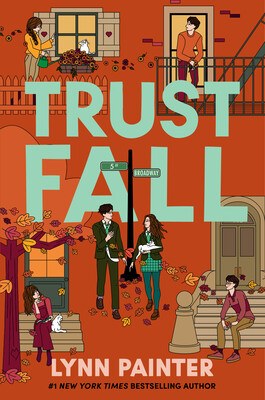
Cover of Trust Fall by Lynn Painter
Bestseller

Trust Fall

Lynn Painter

Young Adult & New Adult
Simon & Schuster Books for Young Readers · 29 September 2026

Short review (170 words)

Lynn Painter, the author of Better Than the Movies, has become one of the most dependable names in YA romantic comedy, and Trust Fall shows why. Julia Lowell is a small-town Nebraska teenager whose family receives an astonishing inheritance from an elderly friend they knew as Lou. There is a catch: to claim it, they must spend six months living in his grand home on Manhattan's Upper West Side.

Suddenly Julia and her twin are enrolled at an elite private academy, and Julia is assigned a maths tutor, Damion Rutledge, who happens to be Lou's great-nephew and is convinced her family tricked their way into the money. He plans to prove it; she plans to prove him wrong. Told in alternating points of view, the enemies-to-lovers banter is quick and funny, and Painter balances the swoon with real feeling about grief, class and belonging. It is light, warm and very hard to put down, and it is clearly finding its audience on both the bestseller and new-release charts this autumn.

Chart & sources

Publisher / retailer page
Full review (254 words)

Lynn Painter, author of Better Than the Movies and The Do-Over, has become one of the most dependable names in young adult romantic comedy, and Trust Fall shows exactly why. Julia Lowell is a teenager from small-town Nebraska whose family receives an astonishing inheritance from an elderly friend they knew simply as Lou. There is a condition attached: to claim the money, they must spend six months living in his grand home on Manhattan's Upper West Side.

Overnight, Julia's world changes. She and her twin are enrolled at an exclusive private academy, she is navigating a city that feels like another planet, and she is assigned a maths tutor, Damion Rutledge, who turns out to be Lou's great-nephew. Damion is convinced the Lowells must have manipulated their way into the will, and he intends to find proof. Julia, naturally, intends to prove him spectacularly wrong.

The novel alternates between their perspectives, which lets Painter have fun with misunderstandings and double meanings while gradually revealing what each of them is hiding. The enemies-to-lovers banter is quick and genuinely funny, and the slow-burn romance delivers plenty of swoon. Beneath the comedy, though, there is real feeling about grief, family loyalty and what it means to feel out of place among people with far more money and confidence.

It is light, warm and extremely bingeable, the kind of book readers finish late at night and immediately recommend to friends. Its strong showing on both the teen bestseller and new-release charts suggests it is already doing just that.

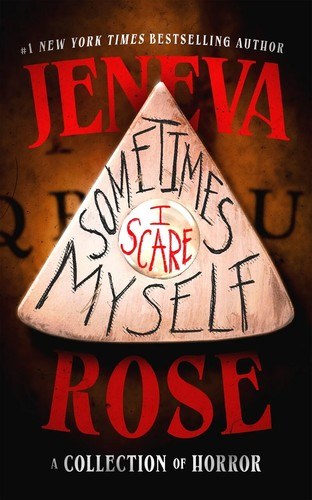
Cover of Sometimes I Scare Myself by Jeneva Rose
Bestseller

Sometimes I Scare Myself

Jeneva Rose

Horror
Blackstone Publishing · 22 September 2026

Short review (171 words)

Jeneva Rose made her name with twisty domestic thrillers, and in Sometimes I Scare Myself she steps confidently into horror with three linked-in-spirit stories that suit long October nights. In the first, a thirtieth-birthday party with a hired medium goes terribly wrong, and the guests make a decision that will haunt them. The second follows the Dalton family into a house whose previous owners all met grim ends, seen through the eyes of a new mother already struggling with exhaustion and doubt. The third visits a roadside shop selling cursed objects and a cabin cut off by a storm.

Rose keeps the thriller writer's instinct for momentum: each story is lean, fast and built around a sharp hook. The scares come from guilt, isolation and the creeping sense that the people around you might be the real danger. It is a short, accessible collection that works well for readers who are curious about horror but wary of anything too gruesome, and it has spent five weeks on the hardcover bestseller list.

Chart & sources

Publisher / retailer page
Full review (246 words)

Jeneva Rose made her name with twisty domestic thrillers such as The Perfect Marriage, and in Sometimes I Scare Myself she moves confidently into horror with three stories that suit long autumn nights. Each one is self-contained, but they share a fascination with guilt and with the moment ordinary people realise they have crossed a line.

In the opening story, a thirtieth-birthday celebration featuring a hired medium goes badly wrong, and the guests make a choice that will follow them. The second, and perhaps the strongest, takes the Dalton family into a house with a dreadful history, told largely through the perspective of a new mother already wrestling with sleeplessness and self-doubt; Rose uses that fragile state of mind to keep the reader unsure what is real. The final story visits a roadside shop where every item comes with a curse, then strands its characters in a cabin during a storm.

Rose keeps the thriller writer's instinct for pace. The prose is lean, the hooks arrive early, and each story builds toward a satisfying sting rather than relying on gore. The horror is mostly psychological and social, rooted in secrets and the fear that the people closest to you cannot be trusted. That makes the collection a good gateway for readers who enjoy suspense and want to try something spookier without committing to a doorstop. Five weeks on the hardcover fiction bestseller list suggest plenty of her existing fans have already followed her into the dark.

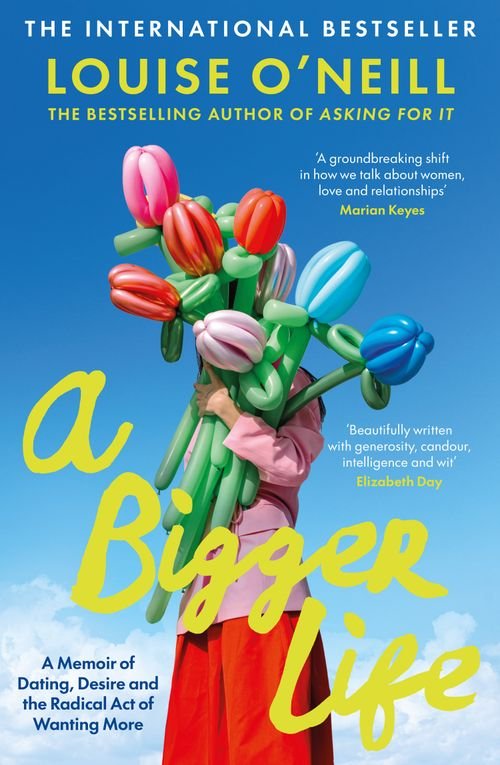
Cover of A Bigger Life by Louise O'Neill

A Bigger Life

Louise O'Neill

Published in the United Kingdom

Nonfiction (Memoir/Self-help/Cooking)
HQ · 11 September 2026

Short review (190 words)

Irish novelist Louise O'Neill, author of Asking For It, turns to memoir with A Bigger Life, a candid, funny and hopeful account of rebuilding after heartbreak. It has been reviewed in The Irish Times and the Irish Independent and is shortlisted at the 2026 An Post Irish Book Awards.

At thirty-eight, O'Neill finds herself single after the end of a long relationship with a partner with whom she had bought a house and imagined a future. Faced with all the familiar fears women are taught to have about time running out, she decides to try something different: a year of saying yes. She travels to Paris, London and New York, dates widely, explores therapies and retreats, and asks what she actually wants rather than what she is supposed to want.

O'Neill writes with warmth and vulnerability about ageing, desire, motherhood, her past eating disorder and the way online culture shapes our expectations of love. The Paris chapters in particular are full of sensual pleasure. Comparisons with Eat, Pray, Love are inevitable, but her feminist sharpness gives the book its own voice. It is an uplifting read for anyone starting over.

Coverage & sources

Publisher / retailer page
Full review (262 words)

Louise O'Neill made her name with hard-hitting fiction such as Only Ever Yours and Asking For It. In A Bigger Life, published by HQ in September, she turns her clear eye on herself. The memoir has been reviewed in The Irish Times and the Irish Independent and is on the 2026 An Post Irish Book Awards shortlist.

The book begins with a breakup. At thirty-eight, O'Neill's long relationship ends, along with the house and future she had planned around it. She writes honestly about the panic that follows, the cultural messaging that tells women over thirty-five they are running out of time, and her fears about motherhood and desirability. Rather than settle, she sets out to discover what she wants, travelling to Paris, London and New York, going on a great many dates and experimenting with wellness practices, retreats and therapies.

The strongest passages connect this adventure to her history: years lost to an eating disorder, the aftermath of sexual assault, and a long struggle to feel at home in her body. Against that background, her pursuit of pleasure and connection feels like a reclaiming. She is also perceptive about how online discourse turns dating into a battleground, and she finds, to her own surprise, more good people than bad.

Critics have noted that the book could probe the costs of its wellness journey more deeply, and readers wary of self-discovery memoirs may feel the format is familiar. Yet O'Neill's humour, candour and warmth make it a generous companion, especially for anyone navigating heartbreak or the pressure to have life figured out.

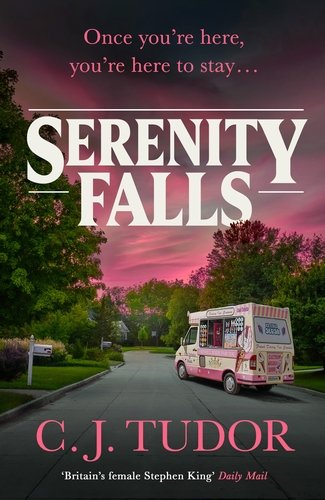
Cover of Serenity Falls by C. J. Tudor

Serenity Falls

C. J. Tudor

Published in the United Kingdom

Horror
Michael Joseph · 10 September 2026

Short review (180 words)

C. J. Tudor, the British author behind The Chalk Man and The Burning Girls, turns her eye on the American dream in Serenity Falls, a creepy slow-burn chiller that was featured in The Guardian's September round-up of the best new horror.

Widower Dan and his daughter Sadie leave a troubled past in England for a fresh start in Serenity Falls, a planned community in Florida that prides itself on having no crime at all. The houses are pristine, the neighbours are friendly and the lawns are perfect. Then a dead body turns up in their swimming pool, and it soon emerges that this idyllic town has seen a surprising number of unfortunate accidents in its fifty-year history.

Tudor is excellent at the gradual creep of wrongness: abandoned houses, odd behaviour and polite smiles that hide something. The father-daughter relationship gives the book an emotional anchor, and her dark humour keeps the pages turning. Comparisons with The Stepford Wives and classic Stephen King are earned. It is a satisfying pick for readers who like their horror suburban, mysterious and steadily unnerving.

Coverage & sources

Publisher / retailer page
Full review (248 words)

C. J. Tudor has built a strong following with The Chalk Man, The Burning Girls and The Drift, novels that sit somewhere between crime and horror. Serenity Falls, published by Michael Joseph in September and reviewed by Lisa Tuttle in The Guardian's round-up of recent horror, is one of her most enjoyable books yet, swapping English villages for the manicured lawns of Florida.

The premise is classic. Dan, a widower, and his daughter Sadie move from the UK to Serenity Falls, a carefully planned community that boasts of having no crime. It seems the perfect place to start again. Almost immediately, though, a body is discovered in their pool, and as Dan starts asking questions he learns that the town has a long record of fatal accidents stretching back over its fifty years. As the community prepares to celebrate its anniversary, more odd discoveries pile up, from empty houses to unexplained activity at night.

Tudor's great skill is in making the ordinary sinister. Neighbourly kindness feels like surveillance, and rules that seem quaint gradually look like something worse. She balances suspense with warmth, particularly in the relationship between Dan and Sadie, and with the wry humour that runs through her work.

The book is long, and the middle section occasionally lingers, but the payoff is worth the wait. It will appeal to fans of Stephen King's small-town horror, Ira Levin's The Stepford Wives and anyone who has ever suspected that a town seemed too good to be true.

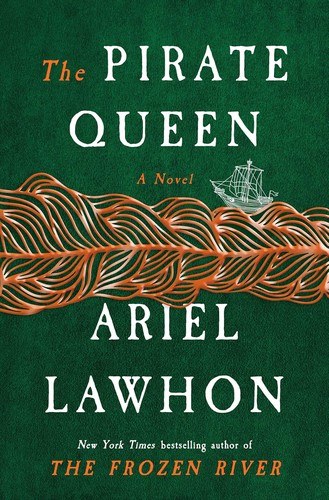
Cover of The Pirate Queen by Ariel Lawhon
Bestseller

The Pirate Queen

Ariel Lawhon

Historical Fiction
Doubleday · 8 September 2026

Short review (177 words)

Ariel Lawhon, whose The Frozen River became a word-of-mouth favourite, turns to sixteenth-century Ireland and one of its most legendary figures in The Pirate Queen. Grace O'Malley, known in Irish as Gráinne Mhaol, grows up in a seafaring clan on the west coast at a time when English power is pressing ever harder on Irish lands. Sent to be fostered with another family and later pushed into a marriage not of her choosing, she refuses to accept the narrow life expected of her.

Lawhon follows Grace as she takes command of the O'Malley fleet and finds herself in conflict with the deputies Elizabeth I has sent to bring Ireland to heel. The novel is generous in scope, full of storms, raids and political manoeuvring, yet it never loses sight of the woman at its centre, her loyalties and her losses. The historical detail is rich without slowing the pace. It is a big, satisfying read for fans of Philippa Gregory or Kate Quinn, and a rousing portrait of a leader history has never quite managed to tame.

Chart & sources

Publisher / retailer page
Full review (251 words)

Ariel Lawhon, whose The Frozen River became a word-of-mouth favourite, turns to sixteenth-century Ireland and one of its most legendary figures in The Pirate Queen. Grace O'Malley, remembered in Irish as Gráinne Mhaol, grows up in a seafaring clan on the west coast at a moment when English power is pressing ever harder on Irish lands and customs.

Sent away to be fostered with another clan, as was common at the time, and later pushed into a marriage she did not choose, Grace refuses to settle for the narrow life laid out for her. Lawhon follows her as she proves herself on the water, takes command of the O'Malley fleet and comes into direct conflict with the officials Elizabeth I has sent to impose order on Ireland. The result is a story of survival and defiance in which every victory comes at a cost.

The book is generous in scope, with storms, raids, shifting alliances and plenty of courtroom-style political manoeuvring, but Lawhon never loses sight of the woman at its centre. Grace's relationships with her family, her crew and her children give the adventure emotional weight, and her mixture of pragmatism and pride makes her compelling company. The historical texture is rich without becoming heavy, and the long page count passes quickly. Seven weeks on the hardcover fiction bestseller list suggest readers are responding. Fans of Philippa Gregory, Kate Quinn or Lawhon's earlier novels will find a rousing portrait of a leader that history has never quite managed to tame.

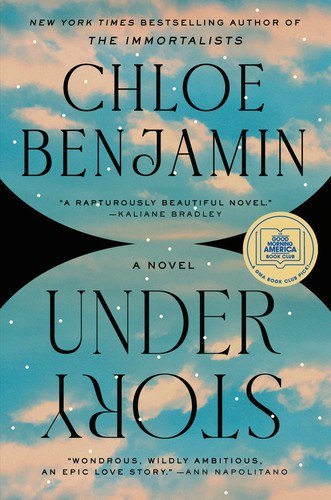
Cover of Under Story by Chloe Benjamin
Bestseller

Under Story

Chloe Benjamin

Science Fiction
G.P. Putnam's Sons · 1 September 2026

Short review (180 words)

Chloe Benjamin, author of The Immortalists, has always been interested in how people bargain with time, and Under Story takes that question to the bottom of the world. Laurel Salter is a trained biologist who has chosen to wash dishes at McMurdo Station in Antarctica, partly to keep a painful past at arm's length. When a mysterious light the scientists call the Arc appears over the ice, a team of physicists arrives to study it, and one of them is her ex-husband, Eli.

What follows is part speculative puzzle and part intimate drama. Laurel begins to suspect the Arc could offer a way to undo what has been lost, and the novel asks whether that would be a gift or a trap. Benjamin, who drew on a real high-altitude physics experiment for inspiration, uses the frozen setting beautifully: isolation, endless light and close quarters make every old wound feel raw. It is a long, absorbing read for anyone who likes literary novels with one foot in science fiction, and a September book club pick that is still finding new readers.

Chart & sources

Publisher / retailer page
Full review (246 words)

Chloe Benjamin, author of The Immortalists, has always been interested in how people bargain with time, and Under Story carries that fascination to the bottom of the world. Laurel Salter is a trained biologist who has chosen to work as a dishwasher at McMurdo Station in Antarctica, a job that lets her stay busy and keep a painful past firmly out of view.

That plan falls apart when a strange light, soon nicknamed the Arc, appears over the ice. A team of physicists flies in to investigate, and among them is Eli, Laurel's ex-husband. Forced back into each other's orbit in a place where there is nowhere to hide, the two of them have to deal with the phenomenon and with everything they never said. Laurel develops a theory that the Arc might allow them to reach back and change what has already happened, and the novel's tension comes from the question of whether she should try.

Benjamin drew inspiration from a real balloon-borne physics experiment flown over Antarctica, and the scientific scaffolding is handled with a light, confident touch rather than a lecture. The real strength is emotional: grief, love and regret are explored with patience, and the setting of perpetual daylight, wind and enforced closeness turns every conversation into a pressure test. At over five hundred pages it asks for commitment, but it rewards readers who enjoy literary fiction with a speculative edge in the vein of Station Eleven or Klara and the Sun.

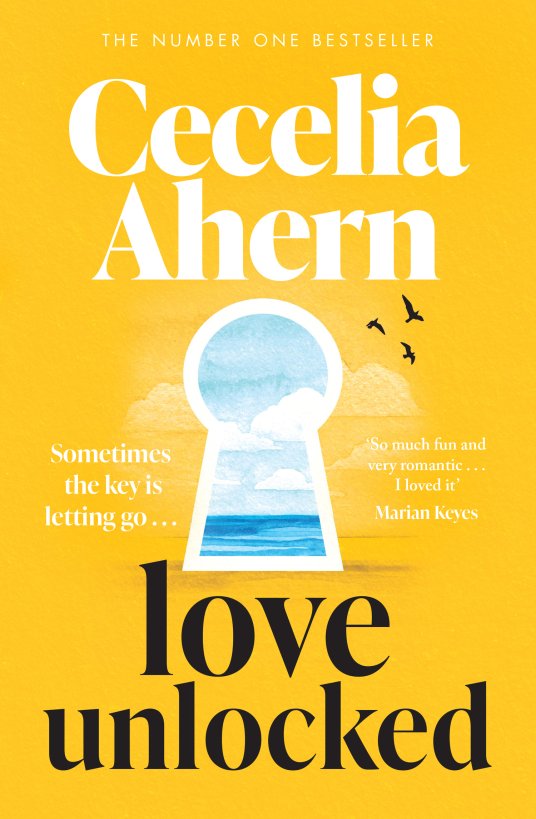
Cover of Love Unlocked by Cecelia Ahern

Love Unlocked

Cecelia Ahern

Published in the United Kingdom

Romance/Romantasy
HarperFiction · 27 August 2026

Short review (189 words)

Cecelia Ahern, the Dublin author of PS, I Love You, returns with Love Unlocked, a romantic comedy with a magical twist that is shortlisted at the 2026 An Post Irish Book Awards. It is warm, funny and very Irish in its humour.

Melody, a podcaster and DJ, has vowed never to fall in love again. Al is a hopeless romantic nursing a painful betrayal. A few weeks before they meet, Al ordered the removal of thousands of lovers' padlocks from a bridge in Dublin because their weight was damaging it. Since then, couples all over the world have mysteriously started breaking up. As Melody investigates the strange wave of heartbreak for her podcast, she and Al keep bumping into each other.

Ahern weaves in the real and tragic love story of Grace Gifford and Joseph Plunkett, who married in Kilmainham Gaol in 1916 hours before his execution, and it gives the book unexpected depth. The supporting cast is lively, and the central couple's chemistry is charming. Some coincidences require goodwill, but that is part of the fun. Perfect for readers who like their romance with a sprinkle of whimsy.

Coverage & sources

Publisher / retailer page
Full review (260 words)

Few writers have shaped modern romantic fiction quite like Cecelia Ahern, whose debut PS, I Love You became an international phenomenon. Her latest novel, Love Unlocked, published by HarperFiction in August, has been shortlisted at the 2026 An Post Irish Book Awards, and it shows her still finding fresh ways to write about love.

The setup is a delightful blend of rom-com and mystery. Al, an engineer still reeling from discovering that his fiancée and his best friend were together behind his back, has had all the love locks removed from a Dublin bridge because their weight is a safety risk. Shortly afterwards, couples begin splitting up at an alarming rate, not only in Dublin but across the world. Melody, a commitment-shy podcaster who has decided love is not for her, starts digging into the phenomenon and soon tracks down the man responsible.

What follows is a gently magical romance in which two people who have given up on love are drawn together while trying to solve everyone else's heartbreak. Ahern grounds the whimsy in history by weaving in letters and the story of Grace Gifford and Joseph Plunkett, the Irish revolutionaries who married in Kilmainham Gaol in 1916 on the eve of his execution. Those sections add poignancy and a sense of how love endures.

The middle section repeats itself a little, and the plot relies on convenient meetings. But Ahern's humour, generosity and gift for character carry it. This is a comforting, uplifting read for fans of her earlier work and anyone in need of a little enchantment.

Cover of Eliza Sunshine by Michelle Good

Eliza Sunshine

Michelle Good

Published in Canada

Literary/General Fiction
Random House Canada · 18 August 2026

Short review (178 words)

Michelle Good, whose debut Five Little Indians won the Governor General's Literary Award and Canada Reads, returns with Eliza Sunshine, a multigenerational novel shortlisted for the 2026 Giller Prize. It follows three generations of Cree women: Eliza, who comes home after years in a residential school; her grandmother, her nôhkom, Swan; and Eliza's daughter, Ella.

Good, a member of Red Pheasant Cree Nation and a former lawyer who worked with residential school survivors, has drawn on family history, and the novel carries the weight of lived knowledge without ever becoming a lecture. Its focus is on what is passed down between mothers and daughters: language, land, stories, and also the wounds left by institutions designed to sever those ties.

The prose is clear and unhurried, giving each woman room to be stubborn, funny and flawed rather than simply symbolic. The emotional power builds quietly, through small domestic moments as much as large historical ones. It is a moving, important read for anyone who valued Five Little Indians, and an accessible entry point for readers new to Good's work.

Coverage & sources

Publisher / retailer page
Full review (251 words)

Michelle Good made a remarkable debut with Five Little Indians, which won the Governor General's Literary Award and Canada Reads in 2022. Her second novel, Eliza Sunshine, is on the 2026 Giller Prize shortlist, and it widens her lens from a group of survivors to a single family seen across three generations of Cree women.

Eliza is the hinge of the book. She returns home after years spent in a residential school, carrying experiences she cannot easily name, to a community and a family that have also been changed by her absence. Her grandmother Swan, her nôhkom, holds older knowledge and older griefs, while Eliza's daughter Ella grows up in the long shadow of what happened before she was born. Good, a member of Red Pheasant Cree Nation who spent years as a lawyer representing residential school survivors, has said the novel draws on her own family history.

That closeness shows in the detail. The novel is attentive to everyday life, to work, food, humour and the push and pull between relatives who love each other but cannot always reach each other. Good writes plainly and with great control, letting the historical injustice sit underneath the story rather than on top of it, so that its impact accumulates gradually.

If there is a reservation, it is that the steady pace asks for patience in the early chapters. Readers who give it that patience will find a deeply humane novel about inheritance, resilience and the ways women keep culture alive under pressure.

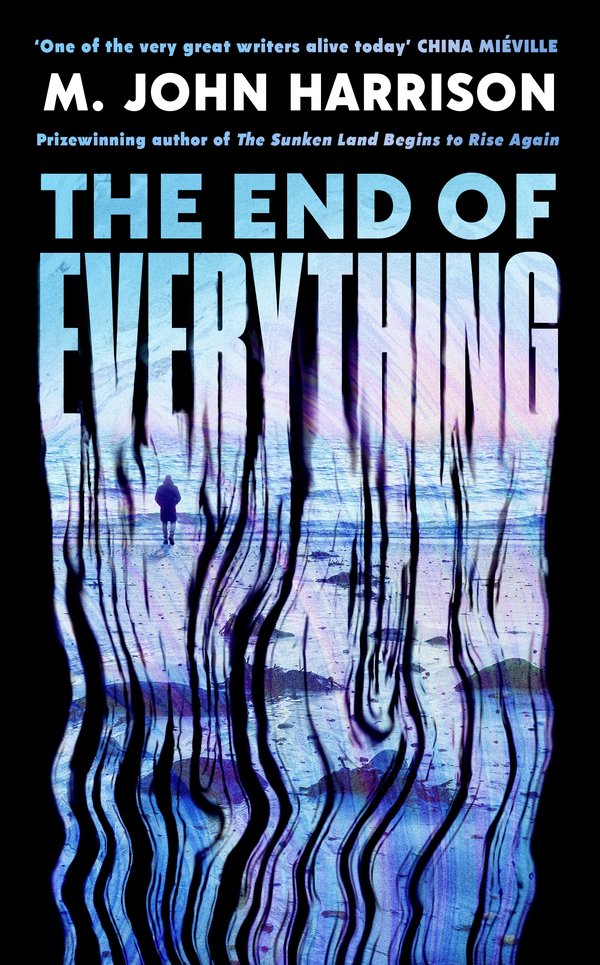
Cover of The End of Everything by M. John Harrison

The End of Everything

M. John Harrison

Published in the United Kingdom

Science Fiction
Serpent's Tail · 18 June 2026

Short review (183 words)

M. John Harrison has spent more than half a century bending science fiction into strange new shapes, and The End of Everything has brought him to the Booker Prize shortlist. It is a near-future novel set on the Kent coast of England, some years after a crisis whose exact nature nobody can quite agree on.

Phillip Tennent scrapes a living as a beachcomber, collecting whatever the Channel washes up. Government barely functions, Europe seems to have been mislaid, the sky glitches and the sea is full of unfamiliar creatures. Then Phillip pulls something from the water that he cannot keep: an object, or creature, that will not stay the same, and which he must carry inland.

This is not a book of tidy explanations. Harrison has long argued that science fiction should embrace the inexplicable, and here he does exactly that, with dreamlike, painterly prose and flashes of dark satire about how people carry on while everything falls apart. Critics have been divided, with some finding it opaque. Readers who enjoy Harrison, Jeff VanderMeer or Christopher Priest will find it mesmerising and unsettling.

Coverage & sources

Publisher / retailer page
Full review (260 words)

At 81, M. John Harrison is one of the elder statesmen of British speculative fiction, and The End of Everything, published by Serpent's Tail, has put him on the 2026 Booker Prize shortlist. Should he win on 9 November, he would be the oldest winner in the prize's history. The novel shows why his admirers prize him and why he can divide readers.

The setting is the coastline of Kent in a near future that has already lived through some kind of catastrophe. No one can explain what happened. The government barely functions, the sea teems with new forms of life, Europe has somehow gone missing and the sky itself seems to malfunction. Phillip Tennent gets by on the tideline, picking up artefacts from the Channel, until he retrieves something that keeps changing and that he cannot simply sell or hide. He has to take it inland.

Harrison is less interested in answers than in atmosphere and perception. His prose is exact and luminous, full of chalky light, damp seaside towns and uneasy encounters, and the reader is invited to dwell in uncertainty rather than solve it. Beneath the strangeness is sharp satire about a society that keeps going about its business while its explanations of the world collapse.

Reviews have ranged from rapturous to sceptical, with The Irish Times finding it rudderless and The Guardian praising its vision. That is a fair guide: if you want a conventional apocalypse with clear stakes, this is not it. If you enjoy fiction that unsettles and lingers, it is a remarkable experience.

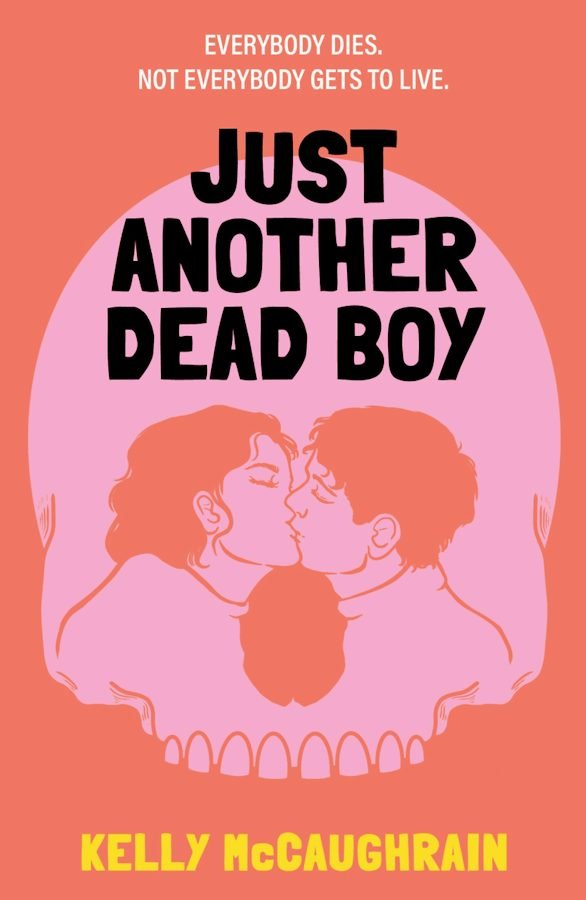
Cover of Just Another Dead Boy by Kelly McCaughrain

Just Another Dead Boy

Kelly McCaughrain

Published in the United Kingdom

Young Adult & New Adult
Walker Books · 4 June 2026

Short review (186 words)

Belfast author Kelly McCaughrain, whose Little Bang was shortlisted for the Carnegie Medal, turns to speculative romance in Just Another Dead Boy, a young adult novel shortlisted at the 2026 An Post Irish Book Awards. It takes a heartbreaking premise and delivers it with wit, warmth and real emotional punch.

In this world, people can know the date they will die, and the wealthy can spend their last weeks at luxury resorts that cater to every final wish. Regan works at one of them. Her job is simple on paper: make a dying guest believe he has found true love before his time runs out. Her newest assignment is Jude, who has a week left to live. The one rule is not to fall for him. Inevitably, the fake romance starts to feel real, and the two begin to wonder whether fate can be challenged.

McCaughrain writes sparkling dialogue and builds her world economically, raising sharp questions about privilege, mortality and who serves whom. It will appeal to readers of They Both Die at the End and anyone who likes romance with bite. Have tissues nearby.

Coverage & sources

Publisher / retailer page
Full review (260 words)

Kelly McCaughrain has already collected a shelf of awards in Ireland for her earlier novels, Flying Tips for Flightless Birds and the Carnegie-shortlisted Little Bang. Just Another Dead Boy, published by Walker Books in June 2026, is her first speculative romance, and it has earned a place on the 2026 An Post Irish Book Awards shortlist.

The premise is striking. In a world where people can learn their exact death dates, the rich are able to check in to exclusive resorts to enjoy their final weeks in comfort. Regan works at one of these resorts, and she is very good at her job: helping guests feel they have found true love before they die. The cardinal rule is that she must never fall in love herself. Then she meets Jude, a guest with just one week to live, and their carefully scripted romance begins to slip off the page.

McCaughrain balances the big ideas with a light touch. The banter between Regan and Jude is sharp and funny, and their relationship develops with genuine tenderness. Beneath the romance lies a pointed critique of a system in which the poor provide comfort to the wealthy at the end of life, and the novel asks how anyone should spend the time they have.

It is a story about grief and hope as much as love, and the emotional moments hit hard, so sensitive readers should be prepared. The ending stays with you. Teens and adults who enjoyed Adam Silvera's They Both Die at the End will find a thoughtful, moving companion here.

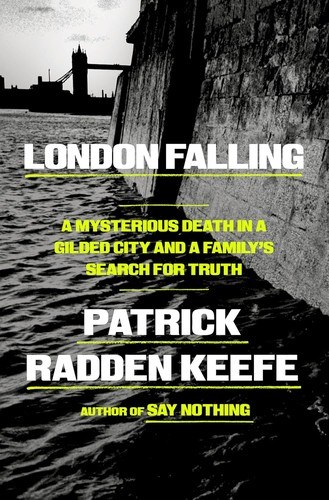
Cover of London Falling by Patrick Radden Keefe
Bestseller

London Falling

Patrick Radden Keefe

True Crime
Doubleday · 7 April 2026

Short review (170 words)

Patrick Radden Keefe, the author of Say Nothing and Empire of Pain, is one of the finest narrative journalists working today, and London Falling is still near the top of the US true crime chart months after release. It begins with a single death: in November 2019, nineteen-year-old Zac Brettler fell from a luxury riverside apartment building into the Thames. The official response was brief, but his parents could not accept it and began investigating on their own.

What they uncovered was a double life. Zac had been presenting himself to new acquaintances as the son of a wealthy Russian, and that invented identity had drawn him into a world of fixers, hangers-on and people with reasons to keep secrets. Keefe follows the family's search with deep compassion while widening the lens to examine London's role as a haven for dirty money and the failings of the police. It is gripping, humane and quietly furious, a book that reads like a thriller but lands as a serious piece of reporting.

Chart & sources

Publisher / retailer page
Full review (270 words)

Patrick Radden Keefe, the author of Say Nothing and Empire of Pain, is one of the finest narrative journalists working today, and London Falling is still near the top of the US true crime chart months after release. The book begins with a single death. In November 2019, nineteen-year-old Zac Brettler fell from a luxury riverside apartment building into the Thames. The official response was quick to treat it as a tragedy rather than a crime, but his parents, Matthew and Rachelle, could not accept that explanation.

Grieving and frustrated, they began to investigate on their own, and what they found was startling. Zac had been leading a double life, presenting himself to new acquaintances under an invented identity as the son of a wealthy Russian. That persona had pulled him into a murky world of fixers, would-be power brokers and people with good reasons to keep their affairs hidden.

Keefe tells the family's story with great compassion, giving full weight to their grief and determination, but he also widens the lens. The book becomes a portrait of modern London as a magnet for questionable fortunes, where luxury property and opaque wealth make it easy for some people to slip beyond scrutiny. He is unsparing about the shortcomings of the police response and the institutional reluctance to ask hard questions.

As ever, Keefe's research is meticulous and his prose is elegant without showing off. The result reads with the momentum of a thriller while carrying the weight of serious investigative reporting. Gripping, humane and quietly angry, it is essential reading for true crime fans who want more than a puzzle.

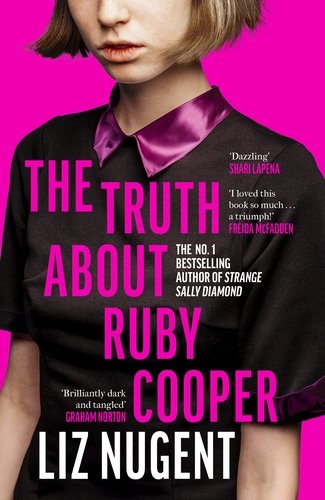
Cover of The Truth About Ruby Cooper by Liz Nugent
Bestseller

The Truth About Ruby Cooper

Liz Nugent

Published in Ireland

Mystery/Thriller/Suspense
Sandycove · 12 March 2026

Short review (187 words)

Liz Nugent has made a career out of fearless psychological fiction, and her sixth novel may be her most morally complicated yet. It was RTÉ's Book of the Week in April and is shortlisted at the 2026 An Post Irish Book Awards.

Ruby Cooper and her sister, Erin, grow up in a close-knit church community in Boston. When Ruby is sixteen, she is involved in an incident that blows the family apart, and the story follows the fallout across decades and across the Atlantic, with Ruby eventually living in Dublin and Erin remaining in Boston. Ruby would rather not think about the past. The past, of course, has other plans.

Nugent explores how one event can be told in competing ways, and how blame, shame and family loyalty can warp lives for years. Ruby is a difficult, layered character, by turns infuriating and sympathetic, and Nugent never makes it easy to decide what you think of her. The subject matter is dark and some readers will find it uncomfortable. Those who loved Unravelling Oliver or Strange Sally Diamond will find her at the top of her game.

Coverage & sources

Publisher / retailer page
Full review (270 words)

Liz Nugent has a gift for narrators who make readers squirm, and The Truth About Ruby Cooper, published in March by Sandycove, the Irish imprint of Penguin, is one of her most daring books. It was reviewed in The Irish Times crime column, chosen as RTÉ's Book of the Week, and has been shortlisted at the 2026 An Post Irish Book Awards. Nugent's website reports that it went to number one in the Irish charts.

The story begins in Boston, where Ruby Cooper and her sister Erin are raised within a tight church community that values appearances. When Ruby is sixteen, an incident occurs that splits the family and sets off a chain of consequences lasting decades. As adults the sisters live on opposite sides of the Atlantic, Ruby in Dublin and Erin in Boston, but neither can escape what happened.

Nugent is less concerned with a single shocking revelation than with how a family constructs and defends its version of events. She examines rivalry between siblings, the way communities assign guilt, and how a lie can become an inheritance. Ruby herself is complex and often unsettling company; Nugent gives her a voice that is sharp, funny and self-justifying, and refuses to make her simply a victim or a villain.

The novel deals with sexual violence and an accusation that divides a family, and it handles those themes in a way that will provoke debate. Some readers may find it hard going. But the craftsmanship is undeniable, the structure is beautifully controlled, and the final pages land with real force. It is essential reading for fans of dark, character-driven suspense.

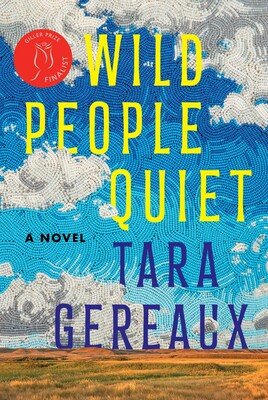
Cover of Wild People Quiet by Tara Gereaux

Wild People Quiet

Tara Gereaux

Published in Canada

Historical Fiction
Scribner Canada · 3 March 2026

Short review (182 words)

Tara Gereaux's Giller Prize-shortlisted novel takes readers to rural Saskatchewan in 1946, a place and time rarely seen in fiction. Florence Banks lives in the small town of Torduvalle, where she has built a respectable life on a secret: she is Métis, passing as white, and she dyes her hair blonde to keep the illusion intact.

That fragile arrangement is tested when Métis farm workers arrive in the district and the government begins pursuing plans to move Métis families off the land they have long occupied. Florence is forced to decide how much of herself she can keep hidden, and at what cost to the people she has distanced herself from.

Gereaux, a Regina writer and the author of Saltus and Size of a Fist, handles this material with restraint. The tension lies less in dramatic events than in what goes unsaid at dinner tables, church halls and kitchen doors. The prairie setting is vividly drawn, and Florence is a complex, sometimes frustrating heroine whose choices feel painfully human. A thoughtful historical novel about identity, belonging and the quiet violence of assimilation.

Coverage & sources

Publisher / retailer page
Full review (249 words)

Wild People Quiet, shortlisted for the 2026 Giller Prize, is the kind of historical novel that illuminates a chapter many readers will know little about. Tara Gereaux, a Regina author whose earlier books include Saltus and Size of a Fist, sets her story in 1946 in Torduvalle, a small Saskatchewan town where reputations are everything and differences are noticed.

Florence Banks has made herself fit in. She is Métis, but she lives as a white woman, colouring her hair blonde and guarding her history carefully. Her careful life begins to shift when Métis labourers come to work on local farms, and when government plans to remove Métis people from their land start to take shape. Suddenly the community Florence has kept at arm's length is on her doorstep, and the cost of her silence becomes impossible to ignore.

Gereaux is good on the textures of postwar prairie life: the weather, the work, the small social rituals that police who belongs. She avoids melodrama, preferring to let pressure build through glances, half-truths and conversations that stop when someone enters the room. Florence is not always likeable, and that is a strength; her compromises are shown as survival rather than simple betrayal.

The pacing is measured, and readers who want a fast plot may find the middle section slow. But the novel's moral seriousness and emotional honesty are considerable. It is a rewarding read for fans of quiet, character-driven historical fiction and anyone interested in Indigenous histories of the Canadian West.

Cover of May We Feed the King by Rebecca Perry
Bestseller

May We Feed the King

Rebecca Perry

Published in the United Kingdom

Historical Fiction
Granta · 29 January 2026

Short review (182 words)

Poet Rebecca Perry's debut novel has had a remarkable year, reaching the 2026 Booker Prize shortlist and winning the Waterstones Debut Fiction Prize. It is a playful, unusual book that blends a contemporary story with a half-glimpsed medieval past.

In the present, an unnamed curator is hired to dress the rooms of an old palace for visitors, arranging replica feasts down to the last pomegranate. Working with the palace archivist, the curator becomes absorbed by the brief reign of a forgotten king who never wanted the crown. Third in line, he came to the throne after the deaths of his brothers and showed little appetite for power, which soon set whispers moving through the court.

Perry tells the king's story in fragments, through rooms seen from doorways and conversations half overheard, so the reader becomes a kind of ghost wandering the palace. The detail is lush and precise, while the larger facts are deliberately withheld. Some readers will find that frustrating; others will be enchanted. For those who enjoy literary puzzles about history and storytelling, it is a rich and original treat.

Coverage & sources

Publisher / retailer page
Full review (261 words)

May We Feed the King is the first novel from Rebecca Perry, a poet previously shortlisted for the T. S. Eliot Prize, and it has become one of the literary stories of 2026: shortlisted for the Booker Prize, winner of the Waterstones Debut Fiction Prize and, according to its publisher, a Sunday Times bestseller. It is also one of the most unusual historical novels in recent memory.

The book moves between two worlds. In the present day, an unnamed curator arrives at a historic palace to create the period room displays that visitors walk through, sourcing historically accurate food and objects with obsessive care. In the archive, the curator encounters the record of a short-lived medieval king, a reluctant ruler who inherited the throne after both his older brothers died and who seemed to want nothing to do with power. As doubts about his fitness to rule grow at court, the idea takes hold that someone else might rule in his place.

Perry refuses the usual comforts of the genre. Names are withheld, motives are obscured, and we see the court in glimpses: through windows, from thresholds, in overheard fragments. At the same time the physical detail is extraordinarily vivid, from banquet dishes to fabrics and light. The effect is of standing in a beautifully staged room, trying to imagine the lives that once filled it.

That ambiguity will not suit every reader, and anyone seeking a conventional royal drama should look elsewhere. But as a meditation on what history can and cannot tell us, it is clever, sensuous and haunting.

Cover of The Jasmine Murders by Roopa Unnikrishnan

The Jasmine Murders

Roopa Unnikrishnan

Published in India

Mystery/Thriller/Suspense
Aleph Book Company · 5 January 2026

Short review (184 words)

Roopa Unnikrishnan's debut, the first Uma-Jayan Mystery, is a charming period crime novel set in a corner of India that rarely appears in fiction. It is the early 1960s in Manamadurai, a small town in Tamil Nadu, where Jayan has just arrived as the new Assistant Superintendent of Police, accompanied by Uma, his bride of only forty days.

Both are Malayalis and outsiders in the town, still getting to know the place and each other, when a series of crimes disturbs the local calm. Jayan must investigate amid communal tensions and gossip, while the curious, observant Uma quietly begins to help, noticing things that others overlook.

The Hindu's review highlighted the novel's period atmosphere, and it is a pleasure to spend time in this world of humid streets, temple towns and colonial-era bureaucracy. Unnikrishnan has said the couple were partly inspired by her own parents, which gives the central marriage a warm, believable texture. The mystery itself builds steadily towards a dramatic climax on the coast. It will delight readers who enjoy historical sleuthing duos and crime fiction with a strong sense of place.

Coverage & sources

Publisher / retailer page
Full review (255 words)

The Jasmine Murders, published by Aleph Book Company in New Delhi and reviewed in The Hindu in March, introduces a new crime-solving partnership in Indian fiction. Roopa Unnikrishnan, making her debut as a novelist, sets the story in the early 1960s in Manamadurai, a provincial town in southern Tamil Nadu.

Jayan, a young officer, has taken up his post as Assistant Superintendent of Police, and he brings with him his new wife, Uma, whom he married just forty days earlier. Both are from Kerala, so they are newcomers in more ways than one: learning the language and customs of the town while still discovering each other. When a string of crimes unsettles the community, Jayan is under pressure to find answers, and Uma, sharp-eyed and quietly determined, becomes an unofficial partner in the investigation.

Much of the book's appeal lies in its setting. Unnikrishnan evokes the heat, the scent of jasmine, the social hierarchies and the fault lines that run beneath small-town life, and she captures a newly independent India still shaped by colonial institutions. The author has said the couple were partly inspired by her parents, and the gradual deepening of their marriage is one of the novel's quiet pleasures.

The plotting is solid rather than flashy, and readers expecting relentless twists may find the pace gentle. But the story builds to a vivid finale on the coast near Dhanushkodi, and the characters are engaging enough that a series feels very welcome. Recommended for fans of historical mysteries with a strong sense of place.

Cover of The Mushroom Tapes by Helen Garner, Chloe Hooper and Sarah Krasnostein
Bestseller

The Mushroom Tapes

Helen Garner, Chloe Hooper and Sarah Krasnostein

Published in Australia

True Crime
Text Publishing · 11 November 2025

Short review (182 words)

Three of Australia's most admired nonfiction writers joined forces for The Mushroom Tapes, an unconventional book about the case that gripped the country: the trial of Erin Patterson, who in July 2025 was convicted of murdering three relatives and attempting to murder a fourth with a lunch containing death cap mushrooms.

Helen Garner, Chloe Hooper and Sarah Krasnostein attended the ten-week trial in Morwell, Victoria, and recorded their conversations as they travelled to and from court. The book is built from those exchanges, with the three authors questioning what they saw, what they felt and why so many people, themselves included, became fixated on the case.

The result is less a conventional courtroom narrative than a thoughtful, often funny and deeply humane discussion of crime, gender, family and storytelling. The authors are frank about the ethics of turning real tragedy into entertainment, and keep the victims and the affected children firmly in view. Published by Text, it was the number one bestseller of 2025 at Melbourne's Readings bookshops. It is an essential read for true crime fans who want more than sensation.

Coverage & sources

Publisher / retailer page
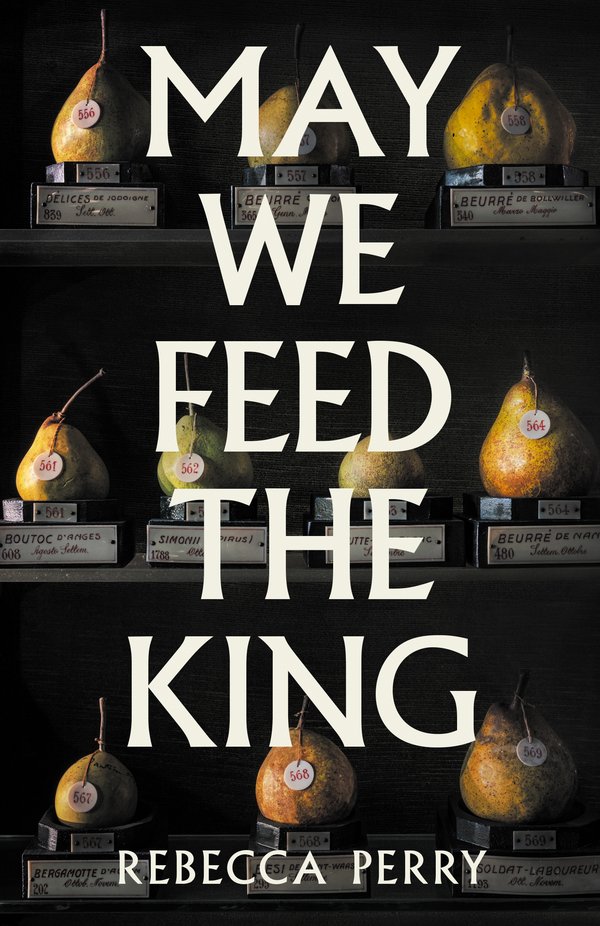
Full review (256 words)

The Erin Patterson trial was one of the most closely followed criminal cases in Australian history. In July 2023, Patterson served a lunch in Leongatha, Victoria, after which three of her guests died and a fourth fell gravely ill from death cap mushroom poisoning. In July 2025, after a ten-week trial in Morwell, she was found guilty of three murders and one attempted murder; she has since been sentenced to life imprisonment and has lodged an appeal.

Among the writers in the public gallery were Helen Garner, Chloe Hooper and Sarah Krasnostein, three of the country's leading literary nonfiction authors. Rather than each writing a separate account, they recorded their conversations, originally with a podcast in mind, during the long drives between Melbourne and the courthouse. The Mushroom Tapes, published by Text in November 2025, is the result, and it topped the 2025 bestseller list at Readings, the Melbourne bookseller.

The conversational format is the book's great strength. The three authors challenge each other, change their minds and admit their own discomfort at being drawn into a spectacle. They discuss motive and evidence, but also media behaviour, the appetite for true crime, and what it means to make literature from other people's grief. Throughout, they show real compassion for the victims, the survivor and the children caught up in the case.

Readers wanting a definitive, chronological account of the trial may find the structure loose. But as an intelligent, candid study of why such stories grip us, it stands apart from the rest of the genre.

Cover of All Her Lives by Ingrid Horrocks

All Her Lives

Ingrid Horrocks

Published in New Zealand

Literary/General Fiction
Te Herenga Waka University Press · 9 October 2025

Short review (178 words)

Wellington essayist and poet Ingrid Horrocks made her fiction debut with All Her Lives, and promptly won New Zealand's biggest literary prize, the $65,000 Jann Medlicott Acorn Prize for Fiction at the 2026 Ockham New Zealand Book Awards. It is a collection of nine linked stories about women at different stages of life, ranging from the late eighteenth century to the unsettled present.

The settings are wonderfully varied: rural Wairarapa, cold Norwegian ports, a rave in mid-2000s Berlin, and the garden of Plunket founder Truby King. One story follows a mother confronting the cost of her son's climate activism. Running through the whole book is the figure of Mary Wollstonecraft, the early feminist writer, whose own travels and grief echo across the centuries.

Horrocks writes with precision and warmth, and her background in history and travel writing gives the stories a strong sense of place. The collection rewards slow reading; connections between the women surface gradually. It is ideal for readers who enjoy thoughtful short fiction about love, politics, motherhood and the freedoms women have fought for.

Coverage & sources

Publisher / retailer page
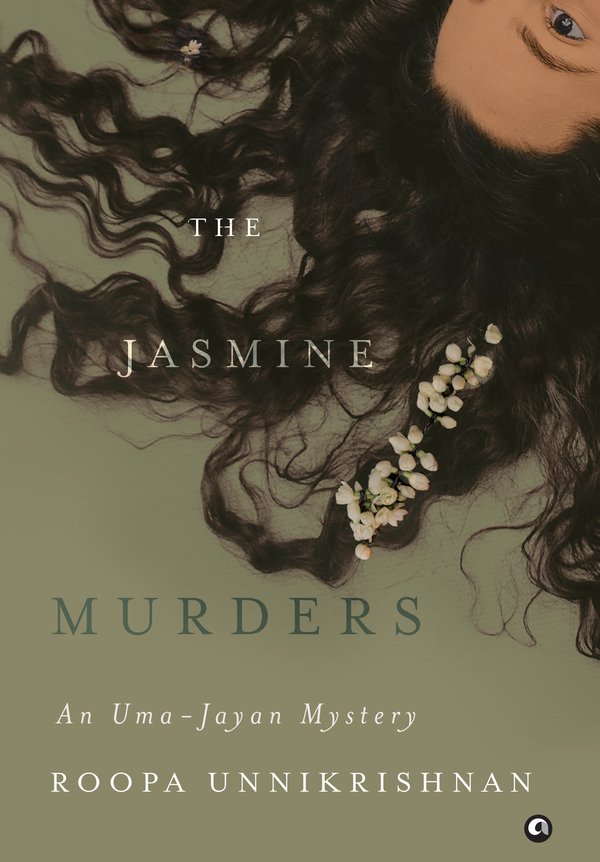
Full review (261 words)

All Her Lives is the first work of fiction from Ingrid Horrocks, a Wellington writer previously known for her memoir Where We Swim, two poetry collections and a literary history of women travellers. In May 2026 it won the Jann Medlicott Acorn Prize for Fiction, worth $65,000, at the Ockham New Zealand Book Awards, beating a strong shortlist that included Catherine Chidgey.

The book gathers nine stories, each centred on a woman at a particular point in her life, and together they span more than two centuries. Horrocks moves from girls raised in the garden of Truby King, the founder of New Zealand's Plunket child-health movement, to a queer university student at a Berlin rave in the mid-2000s, to rural Wairarapa and the icy ports of Norway. In one of the most affecting pieces, a mother has to reckon with what her son's climate rebellion will cost the family.

Threaded through the collection is Mary Wollstonecraft, whose eighteenth-century journey through Scandinavia, undertaken in grief and political ferment, becomes a kind of guiding presence. Horrocks uses her lightly, as an echo rather than a lesson, and the effect is to make the women's struggles feel connected across time.

The writing is controlled and observant, with sentences that reward attention, and the judges' description of the book as emotionally intelligent and historically alert feels apt. Some readers may want more plot from individual stories, but the cumulative effect is rich and quietly powerful. This is a fine choice for anyone who loves literary short fiction or historically minded writing about women's lives.

Cover of Fierceland by Omar Musa

Fierceland

Omar Musa

Published in Australia

Literary/General Fiction
Penguin Books Australia · 2 September 2025

Short review (170 words)

Omar Musa's second novel, winner of the 2026 Miles Franklin Literary Award, is a big, restless family saga that refuses to sit still in one place or one voice. Siblings Roz, an artist in Sydney, and Harun, who has made a life in Los Angeles, return to Kota Kinabalu in Malaysian Borneo for the funeral of their father, Yusuf Mansur, a man who grew rich from palm oil and left a complicated legacy behind him.

From that homecoming the book fans outwards. It opens in 1998 with a journey into the forest, then moves between decades and continents, taking in the parents' first meeting in Adelaide and threads that reach as far as 1970s Nigeria and nineteenth-century Venice. Musa, also a poet and rapper, gives voice to many characters, including the forest itself, and engages directly with Joseph Conrad's Heart of Darkness. The result is ambitious, musical and angry about extraction and empire, yet tender towards its damaged family. Readers who enjoy sweeping, polyphonic fiction will find plenty to admire.

Coverage & sources

Publisher / retailer page
Full review (251 words)

Fierceland, Omar Musa's second novel, won the 2026 Miles Franklin Literary Award and the Victorian Premier's Prize for Fiction, and it is easy to see why judges responded to its scale and nerve. At its centre is a family summoned home. Roz, an artist based in Sydney, and her brother Harun, who lives in Los Angeles, return to Kota Kinabalu in Malaysian Borneo after the death of their father, Yusuf Mansur, a palm-oil magnate whose wealth came at a cost to land and people.

The funeral is only the starting point. Musa opens in 1998 with a trip into the forest, then roams freely across time: the parents' meeting in Adelaide as students, the siblings' divergent adult lives, and strands set in 1970s Nigeria and nineteenth-century Venice. Joseph Conrad appears in person, and the novel can be read as a deliberate answer to Heart of Darkness, told from the side of the people and places such stories usually silence.

What makes the book distinctive is its chorus of voices. Musa, who is also a poet and performer, writes with rhythm and swagger, and he lets the forest speak alongside his human characters, drawing on the Malay hikayat storytelling tradition. That sometimes makes for demanding reading, and not every thread carries equal weight. But the anger about environmental destruction is matched by real compassion for a family trying to understand what their father built and what it destroyed. It is a bold, generous novel for readers who like their literary fiction expansive.

Cover of Sunrise on the Reaping by Suzanne Collins
Bestseller

Sunrise on the Reaping

Suzanne Collins

Young Adult & New Adult
Scholastic Press · 18 March 2025

Short review (173 words)

Suzanne Collins's return to Panem remains the top-selling teen book in the US, with a movie tie-in edition also on the children's bestseller list. Sunrise on the Reaping goes back to the fiftieth Hunger Games, the second Quarter Quell, when twice the usual number of tributes are sent into the arena. One of them is a young Haymitch Abernathy from District 12, years before he becomes the sardonic mentor readers met in the original trilogy.

Collins uses Haymitch's story to dig into themes she has always handled brilliantly: propaganda, spectacle and the ways a cruel system recruits people into its machinery. The arena sequences are tense and inventive, but the emotional core lies in Haymitch's relationships back home and in the slow realisation of what the Capitol is really doing. Knowing roughly where his life ends up only adds to the tension. It is darker than some earlier entries and best suited to older teens and adults, but it is a gripping, thoughtful addition that makes the original books richer on a reread.

Chart & sources

Publisher / retailer page
Full review (252 words)

Suzanne Collins's return to Panem remains the top-selling teen book in the US more than eighteen months after release, and a movie tie-in edition has joined the original on the children's bestseller list. Sunrise on the Reaping goes back to the fiftieth Hunger Games, the second Quarter Quell, when twice the usual number of tributes are sent into the arena to mark the anniversary.

One of those tributes is a teenage Haymitch Abernathy from District 12, decades before he becomes the sardonic, hard-drinking mentor readers met in the original trilogy. Collins introduces us to the young man he was before the Games: his family, his first love and the community he would do anything to protect. When his name is called, everything he cares about is placed at risk.

The arena sequences are tense and inventive, full of the strategic twists that made the series famous, but the real power of the book lies elsewhere. Collins uses Haymitch's experience to explore propaganda, media spectacle and the ways an oppressive government turns its citizens' lives into entertainment. She is particularly sharp on how stories get rewritten by those in charge, and that idea gives the novel a resonance beyond the plot.

Knowing roughly where Haymitch ends up only heightens the sense of dread. This is one of the darker instalments in the series and better suited to older teens and adults, yet it is also among the most thoughtful. It makes a gripping standalone and deepens the original books immeasurably on a reread.

Cover of We Used to Live Here by Marcus Kliewer
Bestseller

We Used to Live Here

Marcus Kliewer

Horror
Atria/Emily Bestler Books · 18 June 2024

Short review (171 words)

Marcus Kliewer's debut has quietly become one of the most reliable horror sellers of recent years, and it is still sitting in the US top dozen this autumn. The setup is beautifully simple. Charlie and her partner Eve have bought a fixer-upper, hoping it will be the fresh start they need. One afternoon a family knocks on the door: they used to live there, they explain, and would love a quick look around.

Saying yes seems harmless. What happens next is best discovered without warning, but Kliewer is superb at building dread from small details, polite conversations that go on too long and the uneasy feeling that something in the house has shifted. The short chapters and puzzle-box structure make it compulsive, and the book plays cleverly with what Charlie can and cannot trust. It is less about monsters than about hospitality, boundaries and the fear of losing control of your own home. A perfect choice for readers who like their horror tight, unsettling and impossible to put down after dark.

Chart & sources

Publisher / retailer page

Full review (249 words)

Marcus Kliewer's debut has quietly become one of the most dependable horror sellers of recent years, and it is still sitting in the US top dozen this autumn. Its premise is beautifully simple. Charlie and her partner Eve have bought a rambling fixer-upper, hoping it will give them a fresh start. One day a family appears on the doorstep: they used to live in the house, they say, and would love a quick look around for old times' sake.

Agreeing seems like the decent thing to do. What follows is best discovered without any warning, so we will only say that the visit does not go as planned and that Charlie soon struggles to understand what is happening in her own home. Kliewer is excellent at building dread out of tiny details: a conversation that lasts a beat too long, a door that is not where it should be, a guest who seems far too comfortable.

The short chapters and puzzle-like structure make the book hard to put down, and Kliewer plays cleverly with Charlie's uncertainty so that the reader is never quite sure who or what to trust. Underneath the scares lie real questions about relationships, boundaries and the vulnerability of opening your door to strangers. It is not a gory novel; its power comes from tension and disorientation. For anyone who enjoyed the slow-burn chills of Shirley Jackson or the modern unease of Riley Sager, this is a tight, unsettling read best saved for a dark evening.

Cover of The Women by Kristin Hannah
Bestseller

The Women

Kristin Hannah

Historical Fiction
St. Martin's Press · 6 February 2024

Short review (172 words)

Kristin Hannah's The Women was one of the biggest novels of 2024 in hardcover, and its new paperback edition has brought it straight back onto the bestseller lists. Frankie McGrath is a sheltered young woman from Southern California who, in 1965, surprises her family by joining the Army Nurse Corps and shipping out to Vietnam. Nothing in her upbringing has prepared her for the chaos, the casualties and the fierce friendships she finds there.

The second half of the novel follows Frankie home to a country that is deeply divided and largely uninterested in the women who served. Hannah, author of The Nightingale, is at her best with this kind of story: big historical events seen through one woman's courage, grief and resilience. The war chapters are vivid and harrowing, and the homecoming sections are just as powerful in their quieter way. It is an emotional read, so keep tissues nearby, but it is also a moving tribute to a group of veterans whose contribution was long overlooked. Ideal for book clubs.

Chart & sources

Publisher / retailer page
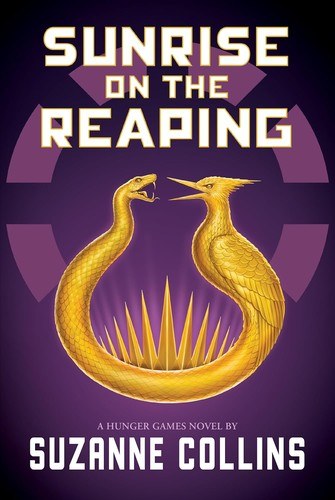
Full review (253 words)

Kristin Hannah's The Women was one of the biggest novels of 2024 in hardcover, and its new paperback edition has carried it straight back onto the bestseller lists. Frankie McGrath is a sheltered young woman from a comfortable Southern California family who, in 1965, surprises everyone by joining the Army Nurse Corps and shipping out to Vietnam.

Nothing in her upbringing has prepared her for what she finds. Frankie learns her trade in field hospitals under constant pressure, treating terrible injuries and forming fierce friendships with the other women who serve alongside her. Hannah renders these chapters with vivid, often harrowing detail, but also with warmth and humour, capturing how people find ways to keep going in impossible circumstances.

The second half follows Frankie home to an America that is bitterly divided over the war and, to her shock, largely indifferent to the women who served in it. Struggling to be seen and believed, she must find a way to rebuild her life. These quieter sections are every bit as powerful as the battlefield scenes, and they give the novel its lasting emotional punch.

Hannah, author of The Nightingale and The Four Winds, excels at this kind of storytelling: major historical events seen through one woman's courage, grief and resilience. It is a long and emotional read, best approached with tissues close by, and it has clearly struck a chord with readers. For book clubs looking for a story that opens up conversations about memory, service and recognition, it is hard to beat.

Cover of Project Hail Mary by Andy Weir
Bestseller

Project Hail Mary

Andy Weir

Science Fiction
Ballantine Books · 4 May 2021

Short review (177 words)

Five years after publication, Andy Weir's Project Hail Mary is still one of the most-bought science-fiction novels in the US, and a new deluxe edition is selling alongside the original. It is easy to see why it keeps winning readers. Ryland Grace wakes up alone on a spacecraft with no memory of who he is or why he is there. Bit by bit he pieces together that the sun is dimming, Earth is in serious trouble, and he may be the last hope of fixing it.

Weir's great skill is turning problem-solving into page-turning suspense. Each chapter hands Grace a new technical puzzle, and the answers come from experiments, arithmetic and stubborn optimism rather than magic. Flashbacks fill in how he ended up aboard, and the gradual reveal is handled with real craft. The humour is warm and nerdy, the science is explained clearly, and there are surprises we will not spoil here. If you have never read it, this is the moment; if you have, the deluxe edition makes a good excuse to go round again.

Chart & sources

Publisher / retailer page
Full review (243 words)

Five years after its first publication, Andy Weir's Project Hail Mary remains one of the most-bought science-fiction novels in the US, and a new deluxe edition is now selling alongside the original. It is not hard to see why it keeps finding readers. Ryland Grace wakes up alone on a spacecraft with no memory of who he is, where he is or why he has been sent. Slowly, he works out that the sun is losing energy, Earth faces catastrophe, and his mission may be the planet's last chance.

Weir's great skill, first shown in The Martian, is turning problem-solving into genuine suspense. Every chapter hands Grace a fresh technical puzzle, and his solutions rely on experiments, quick arithmetic and a stubborn refusal to give up. Flashbacks to his life on Earth gradually explain how a middle-school science teacher ended up on a one-way trip, and the drip-feed of revelations is cleverly paced so that the past and present storylines keep raising the stakes for each other.

The tone is generous and funny without undercutting the danger, and the science is explained in plain language that never talks down to the reader. There are surprises along the way that are best discovered fresh, so we will say only that the book becomes far more than a survival story. For newcomers this is an ideal entry point to modern science fiction; for returning fans, the deluxe edition is a fine excuse for a reread.

Cover of Red Rising by Pierce Brown
Bestseller

Red Rising

Pierce Brown

Science Fiction
Del Rey · 28 January 2014

Short review (172 words)

More than a decade after it first appeared, Red Rising is back near the top of the US science-fiction charts, a sign of just how many new readers keep discovering Pierce Brown's series. Darrow is a Red, a miner working deep beneath the surface of Mars in a society divided into rigid colour-coded castes. He believes his hard, dangerous labour is helping to make the planet habitable for future generations, until he learns how badly his people have been deceived.

What follows is a story of infiltration and revenge as Darrow is remade to pass among the ruling Golds and enters the brutal training ground where their elite are forged. Brown writes with propulsive energy, short punchy chapters and a real gift for battle scenes and betrayals. The world-building borrows from Roman history and classic dystopias, but the voice is all its own. It is violent and intense, so not for every reader, but for fans of The Hunger Games who want something older and darker, this is the natural next step.

Chart & sources

Publisher / retailer page
Full review (245 words)

More than a decade after it first appeared, Red Rising is back near the top of the US science-fiction charts, a sign of how many new readers continue to discover Pierce Brown's series. Darrow is a Red, a young miner working far beneath the surface of Mars in a society divided into rigid, colour-coded castes. He believes his dangerous labour is helping to make the planet habitable for future generations, until a series of shattering events reveals how badly his people have been deceived.

From there the novel becomes a story of infiltration and revenge. Darrow is remade so that he can pass among the ruling Golds, and he enters the merciless training ground where their future leaders are tested. Alliances form and collapse, loyalties are bought and broken, and Darrow has to decide how much of himself he is willing to give up in order to win.

Brown writes with tremendous momentum. Chapters are short and punchy, the action is vivid, and the political scheming is as gripping as the fights. The world draws on Roman history, Greek myth and classic dystopian fiction, yet the voice feels fresh and confident throughout. It is a violent book and some readers will find its intensity a lot to take, but those who enjoyed The Hunger Games or Ender's Game and want something darker and more sprawling will find plenty here. With several sequels already available, it is an easy series to fall into for the winter.

I Accidentally Joined a Wolf Shifter Group Chat

Roxie Ray and Lindsey Devin

Romance/Romantasy
Special Fiction Books · 20 October 2026

Short review (179 words)

Some books sell on their premise alone, and this one is made for the age of the screenshot. Sloane is added by mistake to a stranger's family group chat. Instead of leaving, she stays for the drama, the memes and a scene-stealing grandmother called Ruth. Then she discovers the family are wolf shifters, and that she has fallen for the eldest son anyway.

Roxie Ray is one of the most prolific names in paranormal romance, and this collaboration with Lindsey Devin went straight to the top tier of Amazon's Kindle charts within a fortnight of its October release. It was No. 3 in the whole US Kindle Store when we checked, a remarkable showing for a brand-new release.

The group-chat framing gives the opening a breezy, comic energy, and the found-family warmth is as much a draw as the romance. This is a long, trope-forward shifter romance with moderate heat, written for readers who already enjoy fated bonds and meddling packs. If that is your idea of comfort reading, it is one of the autumn's most enjoyable surprise hits.

Chart & sources

Publisher / retailer page
Full review (259 words)

Some books sell on their premise alone, and this one has a premise built for the age of the screenshot. Sloane is added by mistake to a stranger's family group chat. Rather than leaving, she stays for the drama, the memes and a grandmother called Ruth who steals every thread. Then she discovers that the family are wolf shifters, and that she has fallen for the eldest son anyway.
Roxie Ray is one of the most prolific names in paranormal romance, and this new collaboration with Lindsey Devin went straight into the top tier of Amazon's Kindle charts within a fortnight of its October release. As we went to press it was No. 3 in the entire US Kindle Store and No. 2 in Romance, a remarkable showing for a book only weeks old.

The appeal is easy to see. The group-chat framing gives the opening a breezy, comic energy, and the found-family warmth is as much of a draw as the romance. Reader reviews also point to more emotional weight than the title suggests, citing themes of neglect and healing that give the story some substance under the jokes.

Calibrate your expectations, though. This is a long, trope-forward shifter romance with moderate heat, and it is written for readers who already enjoy the genre's conventions: fated bonds, protective heroes and a big, meddling pack. If that sounds like your idea of comfort reading, it is one of the most purely enjoyable surprise hits of the autumn. If not, the title will tell you everything you need to know.

Cover of Burn of the Everflame by Penn Cole

Burn of the Everflame

Penn Cole

Romance/Romantasy
Atria Books (Simon & Schuster) · 8 September 2026

Short review (156 words)

Few fantasy series have travelled as far as Penn Cole's Kindred's Curse Saga. The first three books appeared in 2023, and Atria now publishes the print editions. Burn of the Everflame, the fourth and final volume, came out in September and is still high in Amazon's US romantasy chart almost two months on.

War has engulfed Emarion. Ophiucae's army is massing in the north, rebellion is stirring in the south, and the Crowns must try to forge an alliance. At the centre, as ever, is the healer Diem Bellator.
Expect what fans love: a slow-burn, enemies-to-lovers romance, an inventive magic system, dragon-like creatures and banter that cuts through the darker stretches. At around 880 pages in hardcover, this is a finale that wants to settle every thread. It is not a jumping-on point, so newcomers should start with Spark of the Everflame. For everyone else, it is the generous send-off the series has been building towards.

Chart & sources

Publisher / retailer page
Full review (248 words)

Few fantasy series have travelled as far as Penn Cole's Kindred's Curse Saga. The first three books appeared in 2023, and Atria now publishes the print editions in North America. Burn of the Everflame, the fourth and final volume, arrived in September and is still sitting high in Amazon's US romantasy chart almost two months later. That kind of staying power is the clearest sign of a readership built book by book rather than bought.

The setup for the finale is suitably epic. War has engulfed Emarion. Ophiucae's mortal army is gathering in the north, a long-planned rebellion is stirring in the south, and the Crowns of the realms must try to forge an alliance in Lumnos. At the centre, as ever, is the healer Diem Bellator, whose fight against oppression has carried the series from the start.

Cole's strengths are the ones fans will expect: a slow-burn, enemies-to-lovers romance, an inventive magic system, dragon-like creatures and banter that cuts through the bleaker stretches. The scale is the real ambition here. At around 880 pages in hardcover, this is a book that wants to settle every thread, and readers who like their endings unhurried will relish it.

It is not a jumping-on point. Without three books of politics and betrayals behind you, much of the emotional weight will be lost, so newcomers should start with Spark of the Everflame. For readers who have come this far, it is the big, generous send-off the series has been building towards.

Cover of The Washwoman at the River's End by Megan Shade

The Washwoman at the River's End

Megan Shade

Fantasy
Shade Made Publishing LLC · 1 September 2026

Short review (173 words)

Scottish folklore has given fantasy plenty of kelpies and selkies, but few writers have turned to the washerwoman seen at the river scrubbing the grave clothes of those about to die. Megan Shade builds her gothic romantasy around that figure, and the choice gives the book a distinctive atmosphere.

Bea has haunted the River's End for over a century, cursed to wash the garments of the dying while searching them for the pieces of a spell that might let her rest. Brennen arrives as her guard, sworn to avenge a death he blames on her. When women across the kingdom begin to vanish, they are forced into an uneasy alliance.

The river, the rune magic and a legend told from the wrong side give the story real mood, and Bea's loneliness carries as much weight as the romance. The slow burn is genuinely slow. It has plainly found its audience: when we checked, it was No. 4 in the entire US Kindle Store. Fans of The Knight and the Moth should start here.

Chart & sources

Publisher / retailer page
Full review (264 words)

Scottish folklore has given fantasy plenty of kelpies and selkies, but far fewer writers have turned to the bean nighe, the washerwoman seen at the river scrubbing the grave clothes of those about to die. Megan Shade builds her gothic romantasy around that figure, and the choice gives the book an atmosphere that stands out on a crowded shelf.

Bea has haunted the River's End for more than a century, cursed to wash the bloodstained garments of the dying while searching them for fragments of a spell that might let her rest. Brennen arrives as her guard, carrying a vow of vengeance against the monster he believes killed the woman he loved. When women across the kingdom begin to vanish, the two are forced into an uneasy alliance.

What lifts this above a familiar enemies-to-lovers setup is its texture. The river, the rune magic and the sense of a legend told from the wrong side give the story real mood, and Shade is careful to let Bea's loneliness carry as much weight as the romance. The slow burn is genuinely slow, which will delight readers who prize yearning and frustrate those who want momentum from the first chapter.

The numbers say this has found its audience. When we checked Amazon's US charts, the Kindle edition was No. 4 in the entire Kindle Store, ahead of Fourth Wing, and the paperback was No. 1 in Gothic Fiction. For readers who loved The Knight and the Moth or One Dark Window, it is the discovery of the season, and the start of a series worth following.

Cover of The Killer Isn't Alice by Iris Starling

The Killer Isn't Alice

Iris Starling

Puzzle Mysteries (rising)
Little, Brown and Company (US) · 1 September 2026

Short review (173 words)

The murder-puzzle boom we flagged last week has a new front-runner. Iris Starling's The Killer Isn't Alice first appeared in February 2026. After a 16-way UK auction and a Little, Brown deal in the US, a revised edition is now No. 4 across all books on Amazon UK and No. 4 on Publishers Weekly's trade paperback list.

The hook is in the subtitle: 46,600 suspects and one killer. Alice Starling is missing, and the police have found a body, a cryptic note and a folder of names. Alice leaves you 18 clues, and your job is to eliminate everyone who fails to fit until one name remains.

Where Murdle and Murdoku offer dozens of short cases, this is one sustained investigation, closer to an escape room in book form. The revised edition adds new graphics, a new culprit and a bonus puzzle. The story is thin by design, so readers who want atmosphere should stick to crime novels. For lovers of deduction, it is an ingenious challenge and an obvious Christmas present.

Chart & sources

Publisher / retailer page
Full review (258 words)

The murder-puzzle boom we flagged last week has a new front-runner. Iris Starling's The Killer Isn't Alice first appeared in February 2026. After a 16-way auction in the UK, reported by The Bookseller, and a Little, Brown deal in the US, a revised edition is now on both sides of the Atlantic. It is No. 4 across all books on Amazon UK and No. 4 on Publishers Weekly's trade paperback list.

The hook is in the subtitle: 46,600 suspects and one killer. Alice Starling is missing, and in her apartment the police find a dead body, a cryptic note and a folder of names. Alice protests her innocence and leaves you 18 clues. Your job is to work through the list methodically, eliminating everyone who fails to fit, until a single name satisfies every condition.

Where Murdle and Murdoku offer dozens of bite-sized cases, this is one sustained investigation. That makes it feel closer to an escape room in book form, a project to return to over several evenings rather than a quick puzzle on the train. The revised edition adds updated graphics, a new culprit and a bonus puzzle, so owners of the original are not simply buying the same book twice.

Its narrative is thin by design: the story exists to frame the deduction. Readers who want characters and atmosphere should stick with conventional crime fiction. But for anyone who loves the logic of a whodunnit, it is an ingenious, absorbing challenge, and it makes an obvious Christmas present for the puzzler who has everything.

Cover of Fruit Fly by Josh Silver

Fruit Fly

Josh Silver

Mystery/Thriller/Suspense
Crooked Lane Books · 4 August 2026

Short review (170 words)

Satire about publishing has become a genre of its own since Yellowface, and Josh Silver's adult debut is one of its sharpest entries. It comes from Crooked Lane Books, an independent house best known for crime fiction, and it has become a word-of-mouth hit, now eight weeks on Publishers Weekly's trade paperback list.

Mallory Maddox was once a literary sensation; seven years of writer's block later, she is desperate for a comeback. Then she meets Leo, a young gay man living rough and battling addiction, and sees in his life the story she needs. Silver keeps the reader complicit, uncomfortable and often laughing.

Publishers Weekly's starred review praises the sympathy Silver generates for his badly behaved leads, and that mix of cruelty and tenderness is the book's signature. It deals frankly with addiction and sex work, and the humour is pitch-black; the thriller elements serve the satire, so do not expect a conventional page-turner. For readers who like fiction that skewers the culture industry, it is a provocative independent-press success.

Chart & sources

Publisher / retailer page
Full review (248 words)

Satire about publishing has become a genre of its own since Yellowface, and Josh Silver's adult debut is one of its sharpest entries. It comes from Crooked Lane Books, an independent house better known for crime fiction, and it has quietly become a word-of-mouth hit: eight weeks on Publishers Weekly's trade paperback list and counting.

Mallory Maddox was once a literary sensation. Seven years of writer's block later, she is desperate for a comeback. Then she meets Leo, a young gay man living rough and battling addiction, and recognises in his life exactly the story she needs. The novel follows what happens when one person decides another's suffering is raw material, and Silver keeps the reader complicit, uncomfortable and often laughing.

The early reviews suggest the balancing act works. Publishers Weekly's starred review praises how much sympathy Silver generates for his badly behaved leads, and the New York Times called it funny and nasty. That mix of cruelty and tenderness is the book's signature. Mallory is monstrous but never a cartoon, and Leo is far more than a victim.

Readers should know that the novel deals frankly with addiction, homelessness and sex work, and its humour is pitch-black. The thriller elements serve the satire rather than the other way round, so anyone expecting a conventional twisty page-turner may be wrong-footed. For readers who enjoy fiction that skewers the culture industry while asking who gets to tell whose story, this is one of the year's most provocative independent-press successes.

Cover of Dungeon Crawler Carl by Matt Dinniman

Dungeon Crawler Carl

Matt Dinniman

Fantasy
Ace (Penguin Random House) · 30 December 2025

Short review (159 words)

If one book shows how far reader enthusiasm can carry a series, it is this one. Matt Dinniman's Dungeon Crawler Carl first appeared in 2020. Ace now publishes the print editions, and the first volume is No. 2 on Publishers Weekly's trade paperback list after 43 weeks.

The premise is gleefully absurd. Aliens turn every human-made structure on Earth into a vast, trap-filled dungeon that doubles as an intergalactic reality show, where survival depends on keeping the viewers entertained. Carl, a Coast Guard veteran, goes in alongside his ex-girlfriend's prize-winning show cat, Princess Donut, who becomes the breakout star.

This is the leading edge of LitRPG, in which characters level up and gain loot as if inside a video game. Dinniman uses the mechanics for comedy and satire, and there is real grief beneath the exploding goblins. It is crude and frenetic, and the game notifications will not suit everyone, but it is also very funny and surprisingly humane.

Chart & sources

Publisher / retailer page

Full review (240 words)

If one book sums up how far reader enthusiasm can carry a series, it is this one. Matt Dinniman's Dungeon Crawler Carl first appeared in 2020. Ace now publishes the print editions, and six years on the first volume is No. 2 on Publishers Weekly's trade paperback list after 43 weeks, and No. 8 in Amazon's entire US Kindle Store. Every one of the eight main series novels was in Amazon's US fantasy top 20 when we checked.

The premise is gleefully absurd. Aliens collapse every human-made structure on Earth into a vast, trap-filled dungeon that doubles as an intergalactic reality show. Survival depends less on strength than on keeping the viewers entertained. Carl, a Coast Guard veteran, enters it alongside his ex-girlfriend's prize-winning show cat, Princess Donut, who turns out to be the breakout star.

It is the leading edge of LitRPG, a genre in which characters level up, gain skills and loot as if inside a video game. Dinniman uses the mechanics for comedy and for satire of spectacle-hungry media. Beneath the exploding goblins and drug-dealing llamas there is real anger and real grief, and that emotional undertow is why readers who would never call themselves gamers keep going.

It is crude, violent and sometimes exhausting in its energy, and the game-system notifications will not suit everyone. But it is also very funny and surprisingly humane. As an introduction to the fastest-rising corner of fantasy, nothing beats it.

Cover of Theo of Golden by Allen Levi

Theo of Golden

Allen Levi

Literary/General Fiction
Atria Books (Simon & Schuster) · 3 October 2025

Short review (175 words)

Theo of Golden is the publishing story of the past two years. Allen Levi's novel first appeared in 2023, spread by recommendation, and was taken on by Simon & Schuster's Atria in autumn 2025. A year later it is still No. 5 across all books on Amazon US and No. 1 in literary fiction.

A stranger named Theo arrives in the small Southern city of Golden. At the local coffeehouse, pencil portraits of townspeople hang on the walls, and Theo starts buying them, giving each to the person it depicts and asking only for their story in return. Portrait by portrait, regrets surface and ordinary lives shift.

Levi treats attention as a moral act: what it means to see someone properly, and how rarely it happens. A chain of encounters rather than a driving plot builds a quiet mosaic of a community, and the effect is unexpectedly moving. Readers who want tension may find its gentleness too earnest. For book clubs, and anyone wanting a story about kindness that avoids sentimentality, it is an easy recommendation.

Chart & sources

Publisher / retailer page

Full review (262 words)

Theo of Golden is the publishing story of the past two years. Allen Levi's novel first appeared in 2023, spread by recommendation, and was taken on by Simon & Schuster's Atria in autumn 2025. The publisher reported more than a million copies sold in the US by March 2026. A year after the Atria edition appeared, it is still No. 5 across all books on Amazon US and No. 1 in literary fiction.

The premise is disarmingly simple. A stranger named Theo arrives in the small Southern city of Golden. At the local coffeehouse, pencil portraits of townspeople hang on the walls, and Theo begins buying them one at a time, giving each portrait to the person it depicts. In return he asks only for their story. Portrait by portrait, regrets surface, secrets are shared and ordinary lives shift.

The book's power lies in its patience. Levi is interested in attention as a moral act: what it means to see someone properly, and how rarely it happens. The structure, a chain of encounters rather than a driving plot, lets him build a quiet mosaic of a community, and the cumulative effect is unexpectedly moving.

It will not be for everyone. Readers who want conflict, irony or narrative tension may find its gentleness too earnest, and its warmth is unapologetic. But in a market dominated by thrillers and high-concept fantasy, its success says something hopeful about what readers are hungry for. For book clubs, and for anyone in need of a story about kindness that does not feel saccharine, it remains an easy recommendation.

Cover of A Navy SEAL's Bug-In Guide: How to Turn Your House Into the Safest Place on Earth by Joel Lambert

A Navy SEAL's Bug-In Guide: How to Turn Your House Into the Safest Place on Earth

Joel Lambert

Nonfiction (Memoir/Self-help/Cooking)
Global Brother · 6 August 2024

Short review (183 words)

One of the more striking features of Amazon's US chart this week is how much space it gives to preparedness. Survival and self-reliance guides hold four places in the top 20, and the highest, at No. 2 across all books, is this practical manual from Joel Lambert, described by its publisher as a former Navy SEAL and BUD/S instructor.

Rather than the bug-out bag and wilderness escape that dominate survival culture, Lambert argues for making your own home the safest place to ride out a crisis. The book covers emergency preparedness, home security, essential supplies and practical tactics, and its focus on the home makes it a natural fit for ordinary households, not only committed preppers.

That framing is probably the key to its success, because staying put is the realistic option for most families during a storm or power cut. Like any guide in this field, it complements official local emergency advice rather than replacing it. Published two years ago by the small independent house Global Brother, its climb says as much about the national mood as about the book itself.

Chart & sources

Publisher / retailer page

Full review (274 words)

One of the more striking features of Amazon's US chart this week is how much space it gives to preparedness. Survival and self-reliance guides hold four places in the top 20, and the highest of them, at No. 2 across all books, is this practical manual from Joel Lambert. According to its publisher, Lambert is a former Navy SEAL and BUD/S instructor.

The premise is right there in the title. Rather than the bug-out bag and wilderness escape that dominate survival culture, Lambert argues for making your own home the safest place to ride out a crisis. The book covers emergency preparedness, home security, essential supplies and practical tactics, and its focus on the home makes it a natural fit for ordinary households, not only committed preppers.

That framing is probably the key to its success. Staying put is the realistic option for most families during a storm, power cut or other emergency, and a book that treats a house and its contents as the first line of defence is more useful to most readers than advice about surviving in the woods. A military background gives the advice authority, though, like any guide in this field, it is a starting point rather than a substitute for official local emergency guidance.

It comes from Global Brother, a small independent publisher, and it is two years old, so its climb to the top of the chart says as much about the national mood as about the book itself. Read it as a sensible, practical checklist and it should earn its place on the shelf. Treat it as a cure for anxiety and it may disappoint.

Cover of Is It Too Late to Make a Run for It? by Judi Dench (with Brendan O'Hea)
Bestseller

Is It Too Late to Make a Run for It?

Judi Dench (with Brendan O'Hea)

Published in the United Kingdom

Nonfiction (Memoir/Self-help/Cooking)
Michael Joseph (Penguin) · 22 October 2026

Short review (207 words)

Judi Dench has written about Shakespeare before, but this is the more personal book her audience has waited for. Is It Too Late to Make a Run for It? is a memoir written in collaboration with her friend and writing partner Brendan O'Hea, the same partnership behind her bestselling Shakespeare: The Man Who Pays the Rent. It covers seven decades on stage and screen, and goes back to her upbringing in York.

The publisher's description promises the Dench that interviews have long hinted at: mischievous, self-deprecating and sharp. There are pranks on stage and off, being locked out of the Oscars, a close call with crocodiles in Borneo, and her long, happy marriage to the actor Michael Williams. The collaborative, conversational method suits her. It lets the book sound like Dench talking rather than a polished autobiography, which should please readers who value voice over a strict chronology.

The open question for any late-life celebrity memoir is candour, and how much she chooses to reveal will decide whether this is a treasure or simply a pleasure. Readers have plainly decided to find out: it was the UK's No. 1 hardback nonfiction title in its launch week. For theatre lovers it is the gift book of the season.

Coverage & sources

Publisher / retailer page

Cover of A Married Little Christmas by Abby Jimenez
Bestseller

A Married Little Christmas

Abby Jimenez

Romance/Romantasy
Forever (Hachette Book Group) · 20 October 2026

Short review (213 words)

Abby Jimenez has built a devoted readership on romances that are funny on the surface and quietly serious underneath, and her first holiday collection plays to exactly that strength. A Married Little Christmas gathers three loosely linked novellas, "Sweater Weather", "Stealing Christmas" and the title story, set in small-town Minnesota. The setups are pure seasonal comfort: a lawyer who fakes a reunion with her ex, a man who ends up playing a "zombie Santa", and two sceptical friends who try to stop a whirlwind marriage and fall for each other instead.

The novella form suits Jimenez. Her best scenes have always been the quick, sparring exchanges between people who are slightly too honest with each other, and shorter stories keep the banter tight rather than stretched. Publishers Weekly praises her "sparkling wit" and calls the book "a true delight", which matches the warm, family-heavy tone readers expect from her.

Go in knowing what this is: a cosy, trope-forward holiday read rather than a full-length novel with a slow-building arc. If you want depth, her standalone novels offer more of it. As a December gift or a fireside palate cleanser, though, it does precisely what it promises, and its debut at No. 3 on the New York Times list suggests plenty of readers agree.

Chart & sources

Publisher / retailer page

Cover of With Hearts of Flame by Briar Boleyn
Bestseller

With Hearts of Flame

Briar Boleyn

Romance/Romantasy
MIRA (Harlequin/HarperCollins) · 20 October 2026

Short review (212 words)

Few corners of publishing move as fast as romantasy, and Briar Boleyn's Bloodwing Academy series has become one of its louder success stories. With Hearts of Flame is the fourth and final volume, and it arrived on the New York Times hardcover fiction list at No. 8, a strong showing for a series finale that runs to more than six hundred pages.

The ingredients will be familiar to anyone who devoured Fourth Wing: a brutal academy in the realm of Sangratha, vampires, dragon shifters and romance braided through the danger. What distinguishes this closing instalment, judging by the publisher's description, is its widening scope. The heroine's storyline pulls in a dwarven quest while Regan reclaims a title to protect the students, so the finale reaches well beyond the academy walls.

Two cautions. This is not an entry point: it depends on three previous books of politics and relationships, so newcomers should begin with book one. And the publisher openly advises readers to check content warnings before starting, which tells you how dark this academy gets. For existing fans, the appeal is obvious: a big, maximalist ending that promises to settle the series' rivalries and prophecy. For everyone else, it is a clear sign of how much appetite remains for dark academy romantasy.

Chart & sources

Publisher / retailer page

Cover of Wild Wicked Mate by Laurie Gilmore
Bestseller

Wild Wicked Mate

Laurie Gilmore

Romance/Romantasy
HarperCollins (Harper 360 in the US) · 20 October 2026

Short review (216 words)

Laurie Gilmore made her name with the cosy Dream Harbor books, and her Maple Hollow series keeps the small-town warmth while adding werewolves, nymphs and a good deal more heat. Wild Wicked Mate, the second book, follows Phoebe and Theo, friends for a decade who have spent years refusing to admit what everyone around them can see. A road trip and some forced proximity finally make that refusal impossible.

The appeal here is the blend. Gilmore borrows the comfort of a small town and found family, and the slow-burn ache of friends-to-lovers, then layers on fated-mate mythology for a dryad and a werewolf. That combination is exactly where romance and fantasy readers currently overlap, and it explains why the book is charting in both genres on Amazon UK.

Expect trope-forward storytelling rather than surprise: if you enjoy watching two people circle the obvious, that is the pleasure; if you prefer high-stakes plotting, look elsewhere. It is also the second Maple Hollow book, so start with the first if you can. The UK numbers are striking: The Bookseller reports it was the bestselling mass-market fiction title of its launch week, with more than 12,600 copies sold. For readers who want romance that is cosy and paranormal at once, this is one of the season's easiest recommendations.

Chart & sources

Publisher / retailer page

Cover of Miss Wolcott's Ghost by Louise Penny
Bestseller

Miss Wolcott's Ghost

Louise Penny

Mystery/Thriller/Suspense
Minotaur Books (Macmillan) · 20 October 2026

Short review (214 words)

Twenty-one books in, Louise Penny is still finding new ways into Three Pines. Miss Wolcott's Ghost begins with an anonymous phone call telling Chief Inspector Armand Gamache that there is a body in Lost Nation. He has never heard of the place. The call appears to have come from his friend Clara Morrow's phone, and the trail leads to a long-abandoned cemetery, a grave with a date but no name, and a plant long thought to be extinct.

What makes Penny's best books work is the way a puzzle opens out into history and conscience, and the early verdicts suggest this is one of them. Kirkus calls it "a superpowered mystery shrouded in mysticism and history", Booklist praises its "elegant golden-age detective-fiction prose", and Publishers Weekly's starred review says her "tight plotting and psychological depth" keep her "in a class of her own." According to the publisher, the threads reach back to the 1914 sinking of the Empress of Ireland and a Victorian botanist.

Regulars will find the familiar Three Pines setting and friends. Newcomers can follow it, though the emotional payoff is richer if you know these characters. Its debut at No. 1 on Publishers Weekly's hardcover fiction list is well earned: this is literate, humane crime fiction at a very high level.

Chart & sources

Publisher / retailer page

Cover of Chain Reaction by Lee Child and Andrew Child
Bestseller

Chain Reaction

Lee Child and Andrew Child

Mystery/Thriller/Suspense
Bantam (Penguin Random House) · 20 October 2026

Short review (192 words)

The 31st Jack Reacher novel takes the series' wandering ex-military cop somewhere surprisingly topical. A member of General Susan Turner's covert team has been murdered, she cannot trust her own people, and she needs an outsider. That leads Reacher to Summertown, Colorado, a place with five data centres, two solar farms and a population of four.

Setting a Reacher book against the AI and data-centre boom is a smart choice. It gives the familiar engine of the stranger in town, the conspiracy and the reckoning a contemporary edge, with an AI startup at the centre of the trouble. Kirkus calls the result "fast-moving fun for action junkies." It also makes a fair criticism: Reacher's opponents are so outmatched that the fights, including the finale, lack real danger.

That is the trade-off with late-period Reacher, and readers' tolerance for it will vary. What is not in doubt is the appetite. In the UK it was the bestselling adult book of its launch week, behind only the new Wimpy Kid, and it entered the New York Times list at No. 5. If you want a propulsive, no-homework thriller for a long weekend, it delivers.

Chart & sources

Publisher / retailer page

Cover of Simply Ina: A Barefoot Contessa Cookbook by Ina Garten
Bestseller

Simply Ina: A Barefoot Contessa Cookbook

Ina Garten

Nonfiction (Memoir/Self-help/Cooking)
Clarkson Potter (Penguin Random House) · 20 October 2026

Short review (186 words)

Ina Garten's genius has always been less about invention than about permission. Her famous line that "store-bought is fine" told a generation of home cooks they did not have to make everything from scratch to entertain well. Simply Ina makes that philosophy the organising principle of a whole book: 85 recipes at their simplest, from make-ahead lunches and effortless starters to dinners that can be largely prepared before guests arrive.

The publisher's examples show the approach: a mashed potato and leek soup built on packaged mashed potatoes, bourbon baked beans, a Provençal chicken and an Irish coffee affogato that is little more than assembly. That is the real value here: Garten's judgment about where effort matters and where it doesn't.

Experienced cooks looking for technique or culinary adventure will find little new. This is a book about ease, polish and hospitality, not challenge. But that is exactly the brief most busy households have, and Garten's reliability is a selling point in itself. Its debut at No. 1 on Publishers Weekly's hardcover nonfiction list confirms that her audience trusts her completely. It is a natural holiday gift.

Chart & sources

Publisher / retailer page

Cover of Peck & Peck by Bonnie Garmus
Bestseller

Peck & Peck

Bonnie Garmus

Literary/General Fiction
Scribner (Simon & Schuster) · 13 October 2026

Short review (204 words)

Bonnie Garmus's Lessons in Chemistry was one of the publishing phenomena of the decade and became an Apple TV series. Her second novel swaps the 1960s chemistry lab for 1982 New York and the most prestigious, secretive and dysfunctional poetry quarterly in the world. Batter Gray is a recent graduate with an unmarketable gift, an "ear" for poetry. He is folding T-shirts at the Gap until he lands a job at Peck & Peck, where twin editors-in-chief are at war and the house motto is "Find originality. Reward creativity. Burn the rest."

It is a premise made for Garmus's comic sensibility, and the early verdicts are affectionate. Kirkus finds it "mostly charming, sometimes twee, with some really lovely things to say about poetry." Kirkus also notes that the novel bogs down in the middle before picking up steam towards the end, a fair warning for impatient readers.

There is a lot here for book lovers, not least the premise itself: a satire of literary gatekeeping told with obvious love for poetry. It will not hit with the cultural force of her debut, but it confirms that Garmus's voice was no one-off. It is a warm, clever choice for readers who like their literary fiction funny.

Chart & sources

Publisher / retailer page

Cover of The Witch by Freida McFadden
Bestseller

The Witch

Freida McFadden

Mystery/Thriller/Suspense
Poisoned Pen Press (Sourcebooks) · 6 October 2026

Short review (185 words)

Freida McFadden has become one of the defining thriller brands of the decade, and The Witch nudges her twist-driven domestic suspense towards the gothic. After three weeks on the US hardcover chart it has slipped to No. 7 on Publishers Weekly's hardcover list, but the ebook is No. 2 in Amazon's entire US Kindle Store and No. 6 in the UK Kindle chart.

Julia Barlow, out of a job and an apartment, retreats to Pemberton, her family's seventeenth-century estate in rural Massachusetts. Then the grandfather clock starts stopping at 3:41 every morning and a voice cries for help outside her door. The house's history leads her to a woman executed for witchcraft in 1692.

That dual timeline is the main attraction, and the historical strand gives the book more texture than some of her recent work; Booklist praised its "breathtaking twin climaxes". Whether the haunting is real is a question we will leave open. As ever, character depth comes second to momentum, and readers who find her twists mechanical will not be converted. For fans, it is a quick, atmospheric read for darker evenings.

Chart & sources

Publisher / retailer page

Full review (259 words)

Freida McFadden has become one of the defining thriller brands of the decade, and The Witch shows her stretching in a new direction. Only her second hardcover original, it nudges her twist-driven domestic suspense towards the gothic. After three weeks on the US hardcover chart it has slipped from the top to No. 7 on Publishers Weekly's list, but the ebook is now No. 2 in Amazon's entire US Kindle Store and No. 1 in its mystery and thriller chart. In the UK it is No. 6 in the Kindle chart.

Julia Barlow, out of a job and an apartment, retreats to Pemberton, her family's seventeenth-century estate in rural Massachusetts, ostensibly to look after her ageing grandmother. Then the grandfather clock starts stopping at 3:41 every morning, the lights flicker and a voice cries for help outside her door. Digging into the house's history leads her to a woman executed for witchcraft in 1692.

The dual timeline is the book's main attraction, and the historical strand gives it more texture than some of McFadden's recent work. Booklist praised its "breathtaking twin climaxes". Whether the haunting is real is a question the novel keeps deliberately open, and we will not answer it here.

As always with McFadden, character depth comes second to momentum. Short chapters and a steady supply of reveals are the point, and readers who find her twists mechanical are unlikely to be converted. For her many fans, though, and for anyone wanting a quick, atmospheric read for the darker evenings, it delivers exactly what it promises.

Cover of Other Worlds Than These by Stephen King and Peter Straub
Bestseller

Other Worlds Than These

Stephen King and Peter Straub

Fantasy
Scribner (Simon & Schuster) · 6 October 2026

Short review (222 words)

Forty-two years after The Talisman and a quarter of a century after Black House, Jack Sawyer's story finally has an ending. Peter Straub died in 2022, so Stephen King wrote Other Worlds Than These alone, working from an idea Straub left him, but the book carries both names. That gives it real emotional weight: it is a finale, a collaboration completed after a partner's death, and a long-promised return to the Territories.

The new novel brings back an older Jack, who must face a gang of infected teenagers and other destructive forces threatening both worlds. At almost 700 pages and with 38 illustrations by Gabriel Rodríguez, it is a big, generous object, plainly built for readers who have waited decades.

Critical reaction is genuinely split, and it is worth being honest about that. Booklist called it "astonishingly good", while The Guardian's headline judged it "a self-indulgent finale." Our reading of the coverage is that its pleasures belong mainly to longtime readers of the trilogy and King's wider Dark Tower mythology. Newcomers should start with The Talisman rather than here.

Commercially, it did what a King event does: it debuted at No. 3 on Publishers Weekly's hardcover fiction list and was still on the New York Times list a month after publication. For devoted fans, the closure alone may be worth the length.

Chart & sources

Publisher / retailer page

Cover of Partita by Barbara Kingsolver
Bestseller

Partita

Barbara Kingsolver

Literary/General Fiction
Harper (US) / Faber & Faber (UK) · 6 October 2026

Short review (207 words)

Following Demon Copperhead, which won the Pulitzer and the Women's Prize, was always going to be hard. Barbara Kingsolver's answer is to go smaller and quieter. Partita centres on Livia Cable, once a promising pianist, now teaching music lessons on a Tennessee farm with her husband. An unexpected call from Sigurd, a former boyfriend, reopens a past she had put away. The novel runs on two tracks: middle-aged Livia deciding whether to let him back into her life, and twenty-year-old Livia meeting him at Indiana University in 1989.

The title is apt. Kingsolver structures the book like music, with themes stated, varied and resolved, and Publishers Weekly calls it "an engrossing story of a middle-aged woman's forsaken talent and chance for redemption." Read it for that interior precision and for its central question: what happens to talent and ambition that a life quietly sets aside?

Honest caveats from the critics: PW notes some expository dialogue, and The Guardian frames it as a quieter follow-up to Demon Copperhead. Readers expecting another state-of-the-nation epic may be disappointed. Readers who value character, memory and long-held secrets will find a mature, absorbing novel. As a Read with Jenna pick and a top-ten New York Times bestseller, it is already finding them.

Chart & sources

Publisher / retailer page

Cover of Threshing Day by Rebecca Yarros
Bestseller

Threshing Day

Rebecca Yarros

Fantasy
Entangled: Red Tower Books · 29 September 2026

Short review (217 words)

Threshing Day is not the next chapter of Violet and Xaden's story, and fans should know that before buying. It is a companion collection of thirteen short stories set in Rebecca Yarros's Empyrean world, each following a different Basgiath War College cadet through Threshing, the brutal trial in which would-be riders try to win a dragon's bond or die trying. The cast list is a who's who of the series: Xaden, Rhiannon, Dain, Liam, Mira, Brennan and others.

This is a smart format for a world whose most memorable moments often happen in the margins of Violet's point of view. Seeing the same rite of passage from thirteen angles invites comparison. Who was afraid, who was ruthless, who got lucky? It also works as a deliberately bite-sized way back into Basgiath between full novels.

The limits are those of any franchise collection. At 224 pages, the stories are necessarily brief, and readers hoping for major new plot developments may find them more texture than revelation. Its retail description also advises reading it after Onyx Storm because of spoilers, so it is not a true entry point. None of that has slowed it down: it has held the top of the New York Times hardcover fiction list for four weeks. For committed fans, it is an easy yes.

Chart & sources

Publisher / retailer page

Cover of Protocols: An Operating Manual for the Human Body by Andrew D. Huberman
Bestseller

Protocols: An Operating Manual for the Human Body

Andrew D. Huberman

Nonfiction (Memoir/Self-help/Cooking)
Simon Element (Simon & Schuster) · 15 September 2026

Short review (212 words)

Andrew Huberman built one of the world's biggest science podcasts by translating neuroscience and physiology into daily habits, and Protocols is the long-promised book version. According to its publisher, it is a practical guide to improving brain function, mood, energy, physical health and performance. It is organised around customisable "protocols" covering sleep, exercise, stress control, nutrition, light exposure, focus and motivation, and learning new behaviours.

The format is the pitch. Rather than a narrative about the science of wellbeing, it offers a manual: things to try, in what order, and why. For listeners who have tried to piece together advice scattered across hundreds of hours of audio, a single reference volume has obvious appeal, which helps explain why it climbed to No. 8 on Publishers Weekly's hardcover nonfiction list more than a month after release.

Readers should bring a healthy scepticism to any book that promises to optimise the body. Huberman's public profile has attracted scientific and personal criticism in recent years. The sensible approach is to treat individual recommendations as starting points to discuss with a clinician, not as prescriptions, especially around supplements or medical conditions. Taken that way, Protocols is a well-timed, highly organised entry in the evidence-based self-improvement shelf, and certainly one of its most talked-about titles this autumn.

Chart & sources

Publisher / retailer page

Cover of A Trade of Blood by Robert Jackson Bennett
Bestseller

A Trade of Blood

Robert Jackson Bennett

Fantasy
Del Rey (US) / Hodderscape (UK) · 4 August 2026

Short review (186 words)

If you think fantasy and detective fiction are separate shelves, Robert Jackson Bennett's Shadow of the Leviathan series argues otherwise. A Trade of Blood is the third case for the eccentric investigator Ana Dolabra and her assistant Dinios Kol, who serves as her eyes and ears. The series began with the acclaimed The Tainted Cup.

This time they must prove the innocence of a jailed heir, or the farming canton of Sapirdad faces war, while a mastermind wields an ancient weapon. Bennett's great trick is to bolt a classic locked-room logic onto a strange, biologically weird world, so the clues are as much about the setting's alien rules as about human motive.

The pairing of a brilliant, abrasive detective with a more grounded narrator is borrowed, knowingly, from Holmes and Watson and Wolfe and Goodwin. The pleasure lies in watching Bennett reinvent it. Newcomers can technically start here, but the series rewards reading in order.

Published in August, it is still climbing: today it sits at No. 2 in Amazon UK's fantasy chart and also ranks in crime. That crossover is exactly why it deserves attention.

Chart & sources

Publisher / retailer page

Cover of The Calamity Club by Kathryn Stockett
Bestseller

The Calamity Club

Kathryn Stockett

Literary/General Fiction
Spiegel & Grau · 5 May 2026

Short review (182 words)

It took Kathryn Stockett seventeen years to follow The Help, and six months after publication The Calamity Club is still on the bestseller lists. It is a big book in every sense, 656 pages of Depression-era Mississippi. In Oxford in 1933, the orphan Meg Lefleur and the bookkeeper Birdie Calhoun are drawn together, along with a woman named Charlie, whose audacious plan sets the story in motion.

Stockett's gift has always been voice, the close, funny and indignant first person that made The Help so readable, and early praise suggests it is intact. Oprah Daily calls it "so immersive," and the New York Times Book Review describes it as "pure, hell-raising entertainment." Beneath that energy sit the hardships of the Depression and the precariousness of women's independence.

Its length is the obvious hurdle, and readers who prefer lean fiction should know what they are taking on. And given the debate The Help sparked, some readers will approach Stockett's portrayal of the South with care. For book clubs, though, this is a near-perfect pick: big-hearted, discussable and built around a sisterhood worth cheering.

Chart & sources

Publisher / retailer page

Cover of Murdoku: 80 Murder Mystery Logic Puzzles by Manuel Garand
Bestseller

Murdoku: 80 Murder Mystery Logic Puzzles

Manuel Garand

Puzzle Mysteries (rising)
Puzzlewright Press (Union Square & Co.) · 28 October 2025

Short review (183 words)

Murdoku is the book that turned murder-mystery logic puzzles into a chart force, and it is still climbing. It is now No. 5 across all books on Amazon UK and No. 13 on Amazon US, and it has spent 30 weeks on Publishers Weekly's trade paperback list, reaching No. 1 in late October. Its sequel and newer rivals such as The Killer Isn't Alice are charting alongside it.

Each of the 80 puzzles is a small illustrated crime scene laid out on a grid. As in sudoku, every suspect must sit in exactly one row and one column, but the rooms, furniture and objects also carry clues. Place everyone correctly and the killer is revealed. Difficulty rises from gentle to fiendish.

It distils the most satisfying part of a detective story, the moment the pieces click, into a quarter of an hour, and it is screen-free and easy to share across generations. There is little narrative, and seasoned solvers may find the early puzzles easy. As an introduction to the trend, or a stocking filler for a crime fan, it remains the benchmark.

Chart & sources

Publisher / retailer page

Full review (267 words)

Murdoku is the book that turned murder-mystery logic puzzles from a novelty into a chart force, and a week after our launch edition it is still climbing. It has risen to No. 5 across all books on Amazon UK, it is No. 13 on Amazon US, and it has spent 30 weeks on Publishers Weekly's trade paperback list, where it reached No. 1 in late October. Its sequel, Back in Time, and newer rivals such as The Killer Isn't Alice are now charting alongside it, which tells you how big this corner of the market has become.

The concept is elegant. Each of the 80 puzzles is a small illustrated crime scene laid out on a grid. As in sudoku, every suspect must sit in exactly one row and one column, but the rooms, furniture and objects in the illustration also carry clues. Place everyone correctly and the killer is revealed. Difficulty rises from gentle to fiendish, so it works for casual solvers and seasoned puzzlers alike.

What makes it so appealing is the way it distils the most satisfying part of a detective story, the moment the pieces click, into a quarter of an hour. It is screen-free, easy to share and works across generations, which is why it is thriving as Christmas approaches.

Readers looking for narrative will find little here: the crimes are scenarios, not stories. And committed logic fans may find the early puzzles too easy. But as an introduction to the trend, or a stocking filler for a crime fan, it remains the benchmark the rest of the genre is measured against.

Bestseller

Murdle: Solve 100 Devilishly Devious Murder Mystery Logic Puzzles

G. T. Karber

Puzzle Mysteries (rising)
Souvenir Press (Profile Books) (UK) · 22 June 2023

Short review (180 words)

Every boom needs an originator, and in the murder-puzzle craze that is G. T. Karber's Murdle. First published in 2023, it is enjoying a remarkable late surge: No. 10 across all books on Amazon US and No. 17 on Amazon UK when we checked. Its new spin-off, Murdle Heist, has also joined Publishers Weekly's trade paperback list.

The format crosses Cluedo with a classic logic grid. Each case gives you suspects, weapons and locations, plus a handful of clues and statements, and you work out who did it, with what and where, by elimination. A recurring cast of eccentric characters and a running detective persona make it read almost like a collection of tiny interactive mysteries.

Early cases teach the method gently; later ones bring lying suspects and layered deductions that demand real concentration, while the puns keep the tone light. Readers who find logic grids tedious will not be converted, and a hundred cases on one engine can feel repetitive in a single sitting. Taken a case at a time, it remains the best entry point to the genre.

Chart & sources

Publisher / retailer page

Full review (266 words)

Every boom needs an originator, and in the murder-puzzle craze that is G. T. Karber's Murdle. First published in 2023, it is enjoying a remarkable late surge: No. 10 across all books on Amazon US for the St. Martin's Griffin edition and No. 17 on Amazon UK for the Souvenir Press edition when we checked. Karber's latest spin-off, Murdle Heist, has also joined Publishers Weekly's trade paperback list. Few puzzle books manage that kind of longevity, let alone a second wind three years after release.

The format crosses Cluedo with a classic logic grid. Each case gives you a cast of suspects, a set of weapons and locations, and a handful of clues and statements. You work out who did it, with what and where, by elimination, much as a golden-age detective would. Karber wraps the logic in a recurring cast of eccentric characters and a running detective persona, so the book reads almost like a collection of very short, very interactive mysteries.

The difficulty curve is well judged. Early cases teach the method gently, and later ones introduce lying suspects and layered deductions that demand real concentration. The humour, all puns and absurd names, keeps the tone light even when the logic gets knotty.

Readers who find logic grids tedious will not be converted, and a hundred cases built on the same engine can feel repetitive if solved in one sitting. Taken a case or two at a time, though, it is a delight. It remains the best entry point to the genre, and its renewed success suggests the boom is broadening rather than fading.

Know a book we should review? Suggest itThe book you suggest must not be written by you as a writer or from someone you are related to or that was published by a publisher you work for. It must be an independent suggestion.

We welcome reader reviews and are looking for paid part-time reviewers, chosen from people who submit reviews here. Payments vary by book length and review length. Write a review