Historical Fiction

6 titles reviewed by International Review of Books this week.

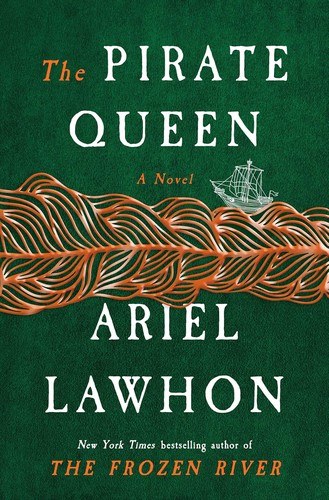
Cover of The Pirate Queen by Ariel Lawhon
Bestseller

The Pirate Queen

Ariel Lawhon

Historical Fiction
Doubleday · 8 September 2026

Short review (177 words)

Ariel Lawhon, whose The Frozen River became a word-of-mouth favourite, turns to sixteenth-century Ireland and one of its most legendary figures in The Pirate Queen. Grace O'Malley, known in Irish as Gráinne Mhaol, grows up in a seafaring clan on the west coast at a time when English power is pressing ever harder on Irish lands. Sent to be fostered with another family and later pushed into a marriage not of her choosing, she refuses to accept the narrow life expected of her.

Lawhon follows Grace as she takes command of the O'Malley fleet and finds herself in conflict with the deputies Elizabeth I has sent to bring Ireland to heel. The novel is generous in scope, full of storms, raids and political manoeuvring, yet it never loses sight of the woman at its centre, her loyalties and her losses. The historical detail is rich without slowing the pace. It is a big, satisfying read for fans of Philippa Gregory or Kate Quinn, and a rousing portrait of a leader history has never quite managed to tame.

Chart & sources

Publisher / retailer page

Full review (251 words)

Ariel Lawhon, whose The Frozen River became a word-of-mouth favourite, turns to sixteenth-century Ireland and one of its most legendary figures in The Pirate Queen. Grace O'Malley, remembered in Irish as Gráinne Mhaol, grows up in a seafaring clan on the west coast at a moment when English power is pressing ever harder on Irish lands and customs.

Sent away to be fostered with another clan, as was common at the time, and later pushed into a marriage she did not choose, Grace refuses to settle for the narrow life laid out for her. Lawhon follows her as she proves herself on the water, takes command of the O'Malley fleet and comes into direct conflict with the officials Elizabeth I has sent to impose order on Ireland. The result is a story of survival and defiance in which every victory comes at a cost.

The book is generous in scope, with storms, raids, shifting alliances and plenty of courtroom-style political manoeuvring, but Lawhon never loses sight of the woman at its centre. Grace's relationships with her family, her crew and her children give the adventure emotional weight, and her mixture of pragmatism and pride makes her compelling company. The historical texture is rich without becoming heavy, and the long page count passes quickly. Seven weeks on the hardcover fiction bestseller list suggest readers are responding. Fans of Philippa Gregory, Kate Quinn or Lawhon's earlier novels will find a rousing portrait of a leader that history has never quite managed to tame.
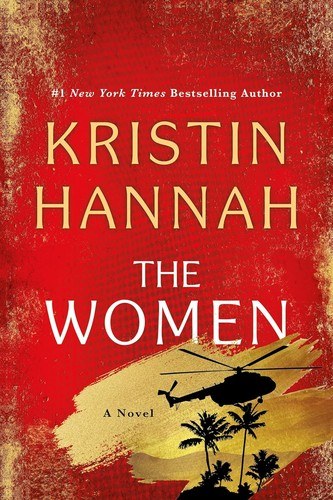
Cover of The Women by Kristin Hannah
Bestseller

The Women

Kristin Hannah

Historical Fiction
St. Martin's Press · 6 February 2024

Short review (172 words)

Kristin Hannah's The Women was one of the biggest novels of 2024 in hardcover, and its new paperback edition has brought it straight back onto the bestseller lists. Frankie McGrath is a sheltered young woman from Southern California who, in 1965, surprises her family by joining the Army Nurse Corps and shipping out to Vietnam. Nothing in her upbringing has prepared her for the chaos, the casualties and the fierce friendships she finds there.

The second half of the novel follows Frankie home to a country that is deeply divided and largely uninterested in the women who served. Hannah, author of The Nightingale, is at her best with this kind of story: big historical events seen through one woman's courage, grief and resilience. The war chapters are vivid and harrowing, and the homecoming sections are just as powerful in their quieter way. It is an emotional read, so keep tissues nearby, but it is also a moving tribute to a group of veterans whose contribution was long overlooked. Ideal for book clubs.

Chart & sources

Publisher / retailer page

Full review (253 words)

Kristin Hannah's The Women was one of the biggest novels of 2024 in hardcover, and its new paperback edition has carried it straight back onto the bestseller lists. Frankie McGrath is a sheltered young woman from a comfortable Southern California family who, in 1965, surprises everyone by joining the Army Nurse Corps and shipping out to Vietnam.

Nothing in her upbringing has prepared her for what she finds. Frankie learns her trade in field hospitals under constant pressure, treating terrible injuries and forming fierce friendships with the other women who serve alongside her. Hannah renders these chapters with vivid, often harrowing detail, but also with warmth and humour, capturing how people find ways to keep going in impossible circumstances.

The second half follows Frankie home to an America that is bitterly divided over the war and, to her shock, largely indifferent to the women who served in it. Struggling to be seen and believed, she must find a way to rebuild her life. These quieter sections are every bit as powerful as the battlefield scenes, and they give the novel its lasting emotional punch.

Hannah, author of The Nightingale and The Four Winds, excels at this kind of storytelling: major historical events seen through one woman's courage, grief and resilience. It is a long and emotional read, best approached with tissues close by, and it has clearly struck a chord with readers. For book clubs looking for a story that opens up conversations about memory, service and recognition, it is hard to beat.

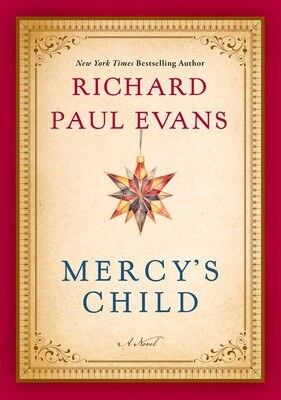
Cover of Mercy's Child by Richard Paul Evans
Bestseller

Mercy's Child

Richard Paul Evans

Historical Fiction
Gallery Books · 20 October 2026

Short review (169 words)

Richard Paul Evans, best known for The Christmas Box, has a loyal readership for heartfelt stories, and Mercy's Child went straight into the hardcover bestseller top twenty in its first week. The novel is set in 1874 and follows Etta Wheeler, a young woman from upstate New York who moves to Gilded Age Manhattan. Working among the tenements of Hell's Kitchen, she encounters a little girl suffering terrible abuse and discovers that the law offers almost no protection to children.

Etta's determination to help sets her against powerful institutions and the assumptions of an entire society. Evans draws on a real nineteenth-century case that helped spark the modern child-protection movement, and the historical setting, from crowded tenements to grand mansions, is sharply drawn. The subject matter is painful, but the book is ultimately about compassion and the difference one stubborn person can make. It is written in a clear, accessible style, making it an easy recommendation for readers who like their historical fiction hopeful and rooted in true events.

Chart & sources

Publisher / retailer page

Full review (254 words)

Richard Paul Evans, best known for The Christmas Box, has a loyal readership for heartfelt stories, and Mercy's Child went straight into the hardcover fiction top twenty in its first week on sale. The novel is set in 1874 and follows Etta Wheeler, a young woman from upstate New York who moves to Manhattan at the height of the Gilded Age.

Working among the overcrowded tenements of Hell's Kitchen, Etta encounters a little girl who is being cruelly mistreated, and she is horrified to learn that the law of the day offers almost nothing to protect children from the adults responsible for them. Refusing to look away, she begins knocking on doors that would rather stay shut, and soon finds herself challenging powerful institutions and the comfortable assumptions of an entire society.

Evans draws on a real nineteenth-century case that helped spark the modern child-protection movement in the United States, and he uses the contrast between the city's grinding poverty and its glittering wealth to strong effect. The subject matter is painful at times, and readers sensitive to depictions of child abuse should be aware of it, though Evans handles those scenes with restraint. The emphasis is firmly on courage, compassion and the difference that one determined person can make.

The prose is clear and accessible, and the pace makes it a quick read despite its weighty theme. It is an easy recommendation for readers who enjoy hopeful, character-led historical fiction grounded in true events, and a natural choice for a winter book club.

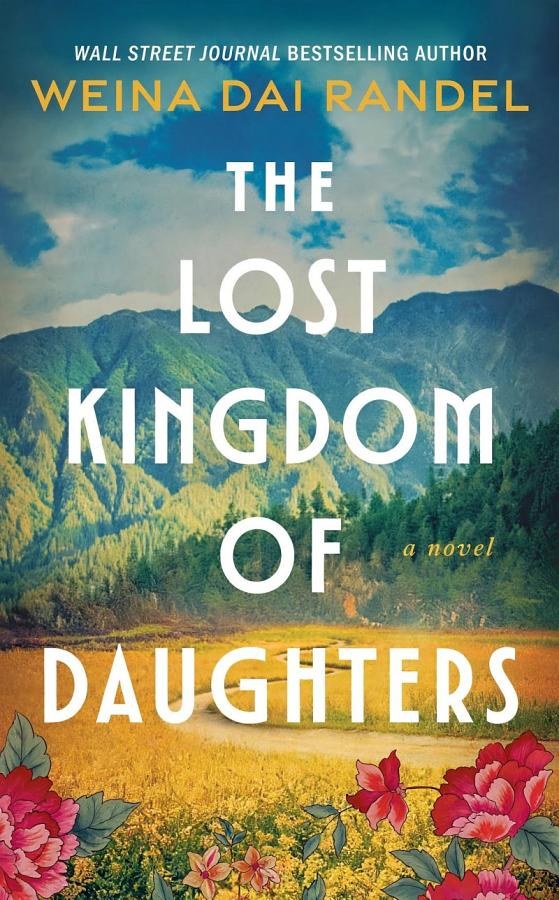
Cover of The Lost Kingdom of Daughters by Weina Dai Randel
Bestseller

The Lost Kingdom of Daughters

Weina Dai Randel

Historical Fiction
Lake Union Publishing · 1 November 2026

Short review (173 words)

Weina Dai Randel, author of The Last Rose of Shanghai, sets her new novel in a corner of China that few readers will have encountered in fiction. In the 1950s, around Lugu Lake, the Moso people live in a matriarchal society where there is no marriage and women choose their own partners. Lazo, a young Moso woman, finds her world upended when two American brothers become stranded nearby: Adam, an artist, and Noah, a physician carrying the weight of a troubled past.

What begins as a tale of cultural encounter develops into a story of love, jealousy and a long-buried secret, told across generations as later characters try to uncover what really happened. Randel writes the lake and mountains with real beauty and treats Moso traditions with curiosity and respect rather than exoticism. The romance is tender, and the slow reveal of the past keeps the pages turning. It is already near the top of the US historical fiction new-release chart, and it should appeal to fans of Lisa See or Kristin Hannah.

Chart & sources

Publisher / retailer page

Full review (255 words)

Weina Dai Randel, author of The Last Rose of Shanghai, sets her new novel in a corner of China that few readers will have met in fiction. In the 1950s, around the shores of Lugu Lake, the Moso people live in a matriarchal society where there is no marriage, households are organised around mothers, and women choose their own partners.

Lazo, a spirited young Moso woman, finds her world turned upside down when two American brothers become stranded in the area. Adam is an artist, captivated by the landscape and its people; Noah is a physician who carries the weight of a painful past. As the brothers are drawn into village life, the connections between them and Lazo grow complicated, and affection gives way to rivalry and jealousy.

The story then widens into a multigenerational quest, as later characters try to piece together a secret that has stayed buried for decades. Randel handles the shifts in time with care, letting each revelation reshape what the reader thought they knew about the earlier events.

The real pleasure is the setting. Randel writes the lake and surrounding mountains with genuine beauty and approaches Moso traditions with curiosity and respect rather than treating them as an exotic backdrop. The romance is tender, the family drama is absorbing, and the questions about freedom, belonging and the choices women make give the novel substance. It is already riding high on the US historical fiction new-release chart, and it should appeal to admirers of Lisa See, Kristin Hannah or Janie Chang.

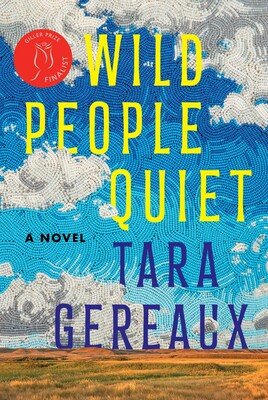
Cover of Wild People Quiet by Tara Gereaux

Wild People Quiet

Tara Gereaux

Published in Canada

Historical Fiction
Scribner Canada · 3 March 2026

Short review (182 words)

Tara Gereaux's Giller Prize-shortlisted novel takes readers to rural Saskatchewan in 1946, a place and time rarely seen in fiction. Florence Banks lives in the small town of Torduvalle, where she has built a respectable life on a secret: she is Métis, passing as white, and she dyes her hair blonde to keep the illusion intact.

That fragile arrangement is tested when Métis farm workers arrive in the district and the government begins pursuing plans to move Métis families off the land they have long occupied. Florence is forced to decide how much of herself she can keep hidden, and at what cost to the people she has distanced herself from.

Gereaux, a Regina writer and the author of Saltus and Size of a Fist, handles this material with restraint. The tension lies less in dramatic events than in what goes unsaid at dinner tables, church halls and kitchen doors. The prairie setting is vividly drawn, and Florence is a complex, sometimes frustrating heroine whose choices feel painfully human. A thoughtful historical novel about identity, belonging and the quiet violence of assimilation.

Coverage & sources

Publisher / retailer page

Full review (249 words)

Wild People Quiet, shortlisted for the 2026 Giller Prize, is the kind of historical novel that illuminates a chapter many readers will know little about. Tara Gereaux, a Regina author whose earlier books include Saltus and Size of a Fist, sets her story in 1946 in Torduvalle, a small Saskatchewan town where reputations are everything and differences are noticed.

Florence Banks has made herself fit in. She is Métis, but she lives as a white woman, colouring her hair blonde and guarding her history carefully. Her careful life begins to shift when Métis labourers come to work on local farms, and when government plans to remove Métis people from their land start to take shape. Suddenly the community Florence has kept at arm's length is on her doorstep, and the cost of her silence becomes impossible to ignore.

Gereaux is good on the textures of postwar prairie life: the weather, the work, the small social rituals that police who belongs. She avoids melodrama, preferring to let pressure build through glances, half-truths and conversations that stop when someone enters the room. Florence is not always likeable, and that is a strength; her compromises are shown as survival rather than simple betrayal.

The pacing is measured, and readers who want a fast plot may find the middle section slow. But the novel's moral seriousness and emotional honesty are considerable. It is a rewarding read for fans of quiet, character-driven historical fiction and anyone interested in Indigenous histories of the Canadian West.

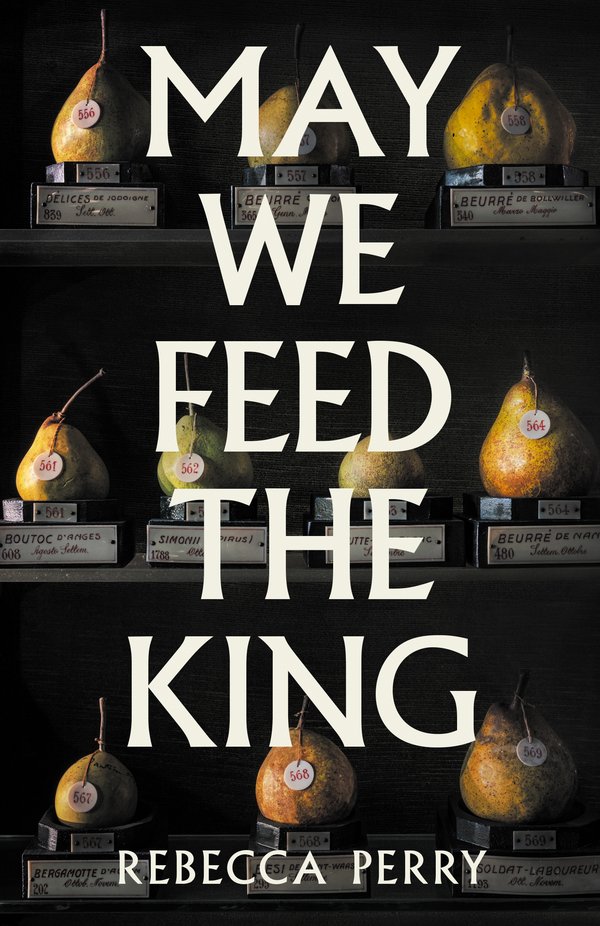
Cover of May We Feed the King by Rebecca Perry
Bestseller

May We Feed the King

Rebecca Perry

Published in the United Kingdom

Historical Fiction
Granta · 29 January 2026

Short review (182 words)

Poet Rebecca Perry's debut novel has had a remarkable year, reaching the 2026 Booker Prize shortlist and winning the Waterstones Debut Fiction Prize. It is a playful, unusual book that blends a contemporary story with a half-glimpsed medieval past.

In the present, an unnamed curator is hired to dress the rooms of an old palace for visitors, arranging replica feasts down to the last pomegranate. Working with the palace archivist, the curator becomes absorbed by the brief reign of a forgotten king who never wanted the crown. Third in line, he came to the throne after the deaths of his brothers and showed little appetite for power, which soon set whispers moving through the court.

Perry tells the king's story in fragments, through rooms seen from doorways and conversations half overheard, so the reader becomes a kind of ghost wandering the palace. The detail is lush and precise, while the larger facts are deliberately withheld. Some readers will find that frustrating; others will be enchanted. For those who enjoy literary puzzles about history and storytelling, it is a rich and original treat.

Coverage & sources

Publisher / retailer page

Full review (261 words)

May We Feed the King is the first novel from Rebecca Perry, a poet previously shortlisted for the T. S. Eliot Prize, and it has become one of the literary stories of 2026: shortlisted for the Booker Prize, winner of the Waterstones Debut Fiction Prize and, according to its publisher, a Sunday Times bestseller. It is also one of the most unusual historical novels in recent memory.

The book moves between two worlds. In the present day, an unnamed curator arrives at a historic palace to create the period room displays that visitors walk through, sourcing historically accurate food and objects with obsessive care. In the archive, the curator encounters the record of a short-lived medieval king, a reluctant ruler who inherited the throne after both his older brothers died and who seemed to want nothing to do with power. As doubts about his fitness to rule grow at court, the idea takes hold that someone else might rule in his place.

Perry refuses the usual comforts of the genre. Names are withheld, motives are obscured, and we see the court in glimpses: through windows, from thresholds, in overheard fragments. At the same time the physical detail is extraordinarily vivid, from banquet dishes to fabrics and light. The effect is of standing in a beautifully staged room, trying to imagine the lives that once filled it.

That ambiguity will not suit every reader, and anyone seeking a conventional royal drama should look elsewhere. But as a meditation on what history can and cannot tell us, it is clever, sensuous and haunting.

Know a book we should review? Suggest a bookThe book you suggest must not be written by you as a writer or from someone you are related to or that was published by a publisher you work for. It must be an independent suggestion.