Literary/General Fiction

7 titles reviewed by International Review of Books this week.

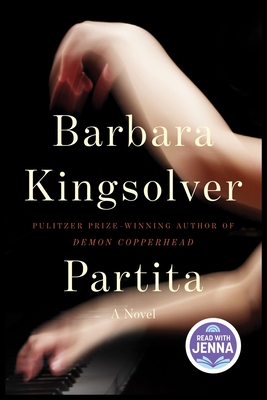
Cover of Partita by Barbara Kingsolver
Bestseller

Partita

Barbara Kingsolver

Literary/General Fiction
Harper (US) / Faber & Faber (UK) · 6 October 2026

Short review (207 words)

Following Demon Copperhead, which won the Pulitzer and the Women's Prize, was always going to be hard. Barbara Kingsolver's answer is to go smaller and quieter. Partita centres on Livia Cable, once a promising pianist, now teaching music lessons on a Tennessee farm with her husband. An unexpected call from Sigurd, a former boyfriend, reopens a past she had put away. The novel runs on two tracks: middle-aged Livia deciding whether to let him back into her life, and twenty-year-old Livia meeting him at Indiana University in 1989.

The title is apt. Kingsolver structures the book like music, with themes stated, varied and resolved, and Publishers Weekly calls it "an engrossing story of a middle-aged woman's forsaken talent and chance for redemption." Read it for that interior precision and for its central question: what happens to talent and ambition that a life quietly sets aside?

Honest caveats from the critics: PW notes some expository dialogue, and The Guardian frames it as a quieter follow-up to Demon Copperhead. Readers expecting another state-of-the-nation epic may be disappointed. Readers who value character, memory and long-held secrets will find a mature, absorbing novel. As a Read with Jenna pick and a top-ten New York Times bestseller, it is already finding them.
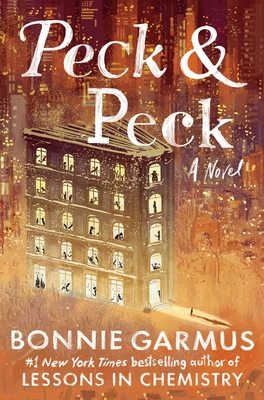
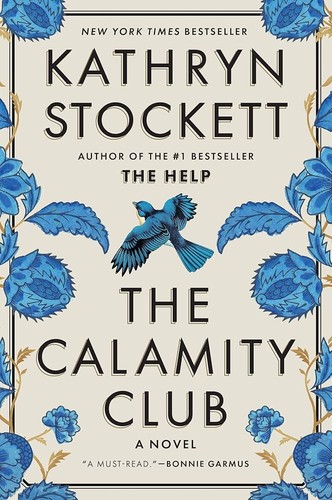
Chart & sources

Publisher / retailer page

Cover of Peck & Peck by Bonnie Garmus
Bestseller

Peck & Peck

Bonnie Garmus

Literary/General Fiction
Scribner (Simon & Schuster) · 13 October 2026

Short review (204 words)

Bonnie Garmus's Lessons in Chemistry was one of the publishing phenomena of the decade and became an Apple TV series. Her second novel swaps the 1960s chemistry lab for 1982 New York and the most prestigious, secretive and dysfunctional poetry quarterly in the world. Batter Gray is a recent graduate with an unmarketable gift, an "ear" for poetry. He is folding T-shirts at the Gap until he lands a job at Peck & Peck, where twin editors-in-chief are at war and the house motto is "Find originality. Reward creativity. Burn the rest."

It is a premise made for Garmus's comic sensibility, and the early verdicts are affectionate. Kirkus finds it "mostly charming, sometimes twee, with some really lovely things to say about poetry." Kirkus also notes that the novel bogs down in the middle before picking up steam towards the end, a fair warning for impatient readers.

There is a lot here for book lovers, not least the premise itself: a satire of literary gatekeeping told with obvious love for poetry. It will not hit with the cultural force of her debut, but it confirms that Garmus's voice was no one-off. It is a warm, clever choice for readers who like their literary fiction funny.

Chart & sources

Publisher / retailer page

Cover of The Calamity Club by Kathryn Stockett
Bestseller

The Calamity Club

Kathryn Stockett

Literary/General Fiction
Spiegel & Grau · 5 May 2026

Short review (182 words)

It took Kathryn Stockett seventeen years to follow The Help, and six months after publication The Calamity Club is still on the bestseller lists. It is a big book in every sense, 656 pages of Depression-era Mississippi. In Oxford in 1933, the orphan Meg Lefleur and the bookkeeper Birdie Calhoun are drawn together, along with a woman named Charlie, whose audacious plan sets the story in motion.

Stockett's gift has always been voice, the close, funny and indignant first person that made The Help so readable, and early praise suggests it is intact. Oprah Daily calls it "so immersive," and the New York Times Book Review describes it as "pure, hell-raising entertainment." Beneath that energy sit the hardships of the Depression and the precariousness of women's independence.

Its length is the obvious hurdle, and readers who prefer lean fiction should know what they are taking on. And given the debate The Help sparked, some readers will approach Stockett's portrayal of the South with care. For book clubs, though, this is a near-perfect pick: big-hearted, discussable and built around a sisterhood worth cheering.

Chart & sources

Publisher / retailer page

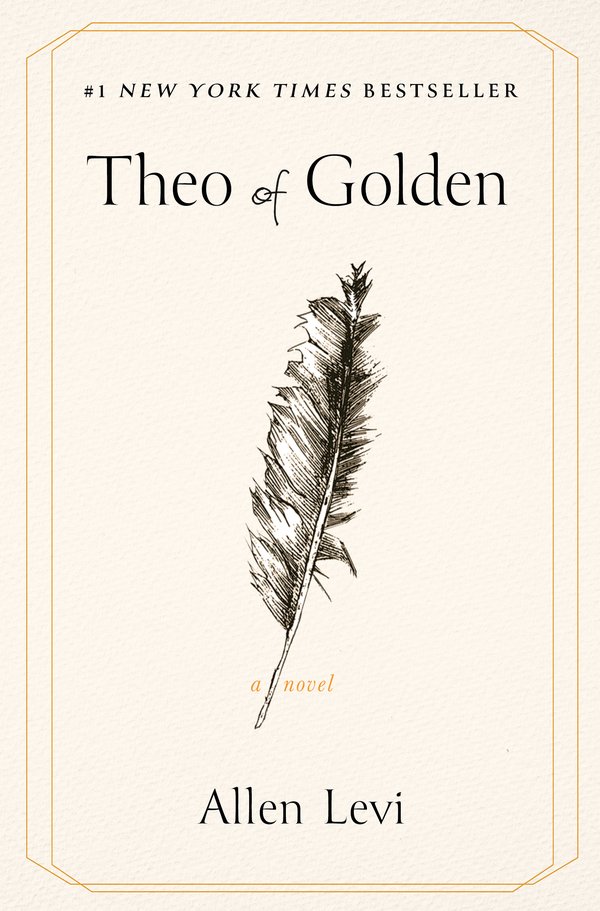
Cover of Theo of Golden by Allen Levi

Theo of Golden

Allen Levi

Literary/General Fiction
Atria Books (Simon & Schuster) · 3 October 2025

Short review (175 words)

Theo of Golden is the publishing story of the past two years. Allen Levi's novel first appeared in 2023, spread by recommendation, and was taken on by Simon & Schuster's Atria in autumn 2025. A year later it is still No. 5 across all books on Amazon US and No. 1 in literary fiction.

A stranger named Theo arrives in the small Southern city of Golden. At the local coffeehouse, pencil portraits of townspeople hang on the walls, and Theo starts buying them, giving each to the person it depicts and asking only for their story in return. Portrait by portrait, regrets surface and ordinary lives shift.

Levi treats attention as a moral act: what it means to see someone properly, and how rarely it happens. A chain of encounters rather than a driving plot builds a quiet mosaic of a community, and the effect is unexpectedly moving. Readers who want tension may find its gentleness too earnest. For book clubs, and anyone wanting a story about kindness that avoids sentimentality, it is an easy recommendation.

Chart & sources

Publisher / retailer page

Full review (262 words)

Theo of Golden is the publishing story of the past two years. Allen Levi's novel first appeared in 2023, spread by recommendation, and was taken on by Simon & Schuster's Atria in autumn 2025. The publisher reported more than a million copies sold in the US by March 2026. A year after the Atria edition appeared, it is still No. 5 across all books on Amazon US and No. 1 in literary fiction.

The premise is disarmingly simple. A stranger named Theo arrives in the small Southern city of Golden. At the local coffeehouse, pencil portraits of townspeople hang on the walls, and Theo begins buying them one at a time, giving each portrait to the person it depicts. In return he asks only for their story. Portrait by portrait, regrets surface, secrets are shared and ordinary lives shift.

The book's power lies in its patience. Levi is interested in attention as a moral act: what it means to see someone properly, and how rarely it happens. The structure, a chain of encounters rather than a driving plot, lets him build a quiet mosaic of a community, and the cumulative effect is unexpectedly moving.

It will not be for everyone. Readers who want conflict, irony or narrative tension may find its gentleness too earnest, and its warmth is unapologetic. But in a market dominated by thrillers and high-concept fantasy, its success says something hopeful about what readers are hungry for. For book clubs, and for anyone in need of a story about kindness that does not feel saccharine, it remains an easy recommendation.

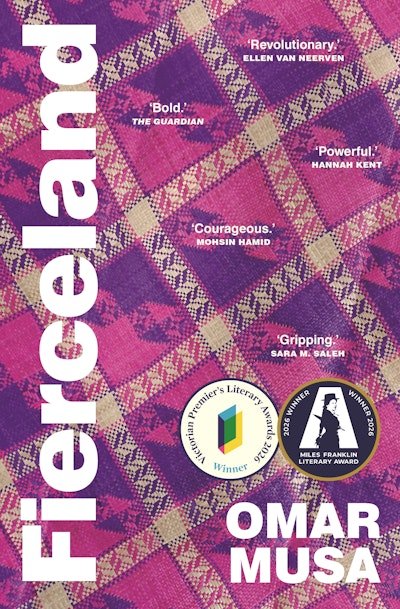
Cover of Fierceland by Omar Musa

Fierceland

Omar Musa

Published in Australia

Literary/General Fiction
Penguin Books Australia · 2 September 2025

Short review (170 words)

Omar Musa's second novel, winner of the 2026 Miles Franklin Literary Award, is a big, restless family saga that refuses to sit still in one place or one voice. Siblings Roz, an artist in Sydney, and Harun, who has made a life in Los Angeles, return to Kota Kinabalu in Malaysian Borneo for the funeral of their father, Yusuf Mansur, a man who grew rich from palm oil and left a complicated legacy behind him.

From that homecoming the book fans outwards. It opens in 1998 with a journey into the forest, then moves between decades and continents, taking in the parents' first meeting in Adelaide and threads that reach as far as 1970s Nigeria and nineteenth-century Venice. Musa, also a poet and rapper, gives voice to many characters, including the forest itself, and engages directly with Joseph Conrad's Heart of Darkness. The result is ambitious, musical and angry about extraction and empire, yet tender towards its damaged family. Readers who enjoy sweeping, polyphonic fiction will find plenty to admire.

Coverage & sources

Publisher / retailer page

Full review (251 words)

Fierceland, Omar Musa's second novel, won the 2026 Miles Franklin Literary Award and the Victorian Premier's Prize for Fiction, and it is easy to see why judges responded to its scale and nerve. At its centre is a family summoned home. Roz, an artist based in Sydney, and her brother Harun, who lives in Los Angeles, return to Kota Kinabalu in Malaysian Borneo after the death of their father, Yusuf Mansur, a palm-oil magnate whose wealth came at a cost to land and people.

The funeral is only the starting point. Musa opens in 1998 with a trip into the forest, then roams freely across time: the parents' meeting in Adelaide as students, the siblings' divergent adult lives, and strands set in 1970s Nigeria and nineteenth-century Venice. Joseph Conrad appears in person, and the novel can be read as a deliberate answer to Heart of Darkness, told from the side of the people and places such stories usually silence.

What makes the book distinctive is its chorus of voices. Musa, who is also a poet and performer, writes with rhythm and swagger, and he lets the forest speak alongside his human characters, drawing on the Malay hikayat storytelling tradition. That sometimes makes for demanding reading, and not every thread carries equal weight. But the anger about environmental destruction is matched by real compassion for a family trying to understand what their father built and what it destroyed. It is a bold, generous novel for readers who like their literary fiction expansive.

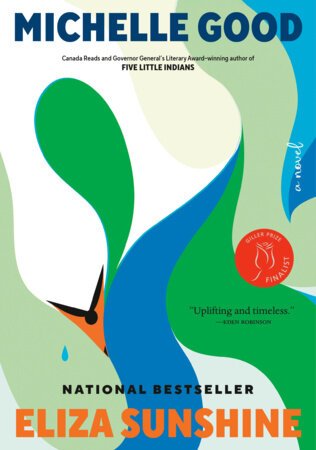
Cover of Eliza Sunshine by Michelle Good

Eliza Sunshine

Michelle Good

Published in Canada

Literary/General Fiction
Random House Canada · 18 August 2026

Short review (178 words)

Michelle Good, whose debut Five Little Indians won the Governor General's Literary Award and Canada Reads, returns with Eliza Sunshine, a multigenerational novel shortlisted for the 2026 Giller Prize. It follows three generations of Cree women: Eliza, who comes home after years in a residential school; her grandmother, her nôhkom, Swan; and Eliza's daughter, Ella.

Good, a member of Red Pheasant Cree Nation and a former lawyer who worked with residential school survivors, has drawn on family history, and the novel carries the weight of lived knowledge without ever becoming a lecture. Its focus is on what is passed down between mothers and daughters: language, land, stories, and also the wounds left by institutions designed to sever those ties.

The prose is clear and unhurried, giving each woman room to be stubborn, funny and flawed rather than simply symbolic. The emotional power builds quietly, through small domestic moments as much as large historical ones. It is a moving, important read for anyone who valued Five Little Indians, and an accessible entry point for readers new to Good's work.

Coverage & sources

Publisher / retailer page

Full review (251 words)

Michelle Good made a remarkable debut with Five Little Indians, which won the Governor General's Literary Award and Canada Reads in 2022. Her second novel, Eliza Sunshine, is on the 2026 Giller Prize shortlist, and it widens her lens from a group of survivors to a single family seen across three generations of Cree women.

Eliza is the hinge of the book. She returns home after years spent in a residential school, carrying experiences she cannot easily name, to a community and a family that have also been changed by her absence. Her grandmother Swan, her nôhkom, holds older knowledge and older griefs, while Eliza's daughter Ella grows up in the long shadow of what happened before she was born. Good, a member of Red Pheasant Cree Nation who spent years as a lawyer representing residential school survivors, has said the novel draws on her own family history.

That closeness shows in the detail. The novel is attentive to everyday life, to work, food, humour and the push and pull between relatives who love each other but cannot always reach each other. Good writes plainly and with great control, letting the historical injustice sit underneath the story rather than on top of it, so that its impact accumulates gradually.

If there is a reservation, it is that the steady pace asks for patience in the early chapters. Readers who give it that patience will find a deeply humane novel about inheritance, resilience and the ways women keep culture alive under pressure.

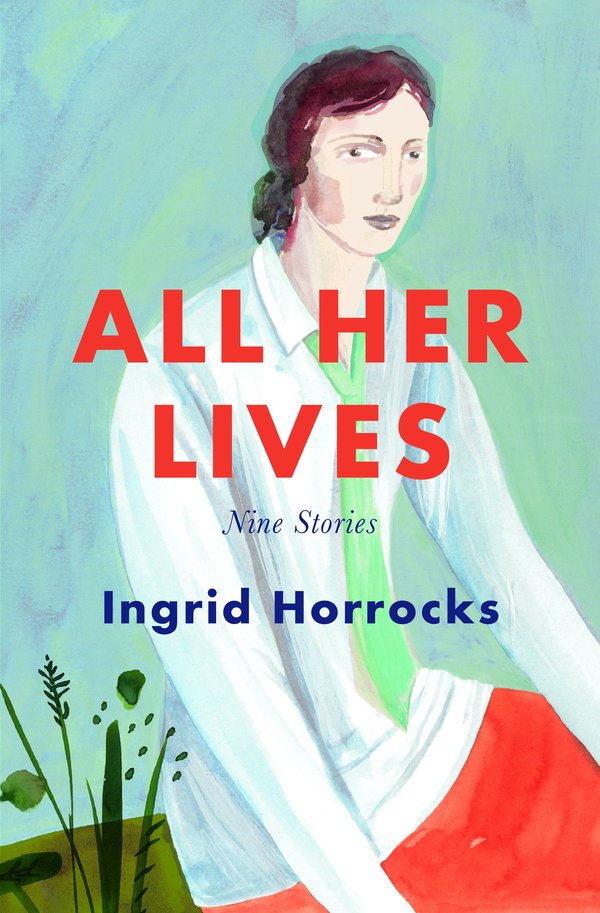
Cover of All Her Lives by Ingrid Horrocks

All Her Lives

Ingrid Horrocks

Published in New Zealand

Literary/General Fiction
Te Herenga Waka University Press · 9 October 2025

Short review (178 words)

Wellington essayist and poet Ingrid Horrocks made her fiction debut with All Her Lives, and promptly won New Zealand's biggest literary prize, the $65,000 Jann Medlicott Acorn Prize for Fiction at the 2026 Ockham New Zealand Book Awards. It is a collection of nine linked stories about women at different stages of life, ranging from the late eighteenth century to the unsettled present.

The settings are wonderfully varied: rural Wairarapa, cold Norwegian ports, a rave in mid-2000s Berlin, and the garden of Plunket founder Truby King. One story follows a mother confronting the cost of her son's climate activism. Running through the whole book is the figure of Mary Wollstonecraft, the early feminist writer, whose own travels and grief echo across the centuries.

Horrocks writes with precision and warmth, and her background in history and travel writing gives the stories a strong sense of place. The collection rewards slow reading; connections between the women surface gradually. It is ideal for readers who enjoy thoughtful short fiction about love, politics, motherhood and the freedoms women have fought for.

Coverage & sources

Publisher / retailer page

Full review (261 words)

All Her Lives is the first work of fiction from Ingrid Horrocks, a Wellington writer previously known for her memoir Where We Swim, two poetry collections and a literary history of women travellers. In May 2026 it won the Jann Medlicott Acorn Prize for Fiction, worth $65,000, at the Ockham New Zealand Book Awards, beating a strong shortlist that included Catherine Chidgey.

The book gathers nine stories, each centred on a woman at a particular point in her life, and together they span more than two centuries. Horrocks moves from girls raised in the garden of Truby King, the founder of New Zealand's Plunket child-health movement, to a queer university student at a Berlin rave in the mid-2000s, to rural Wairarapa and the icy ports of Norway. In one of the most affecting pieces, a mother has to reckon with what her son's climate rebellion will cost the family.

Threaded through the collection is Mary Wollstonecraft, whose eighteenth-century journey through Scandinavia, undertaken in grief and political ferment, becomes a kind of guiding presence. Horrocks uses her lightly, as an echo rather than a lesson, and the effect is to make the women's struggles feel connected across time.

The writing is controlled and observant, with sentences that reward attention, and the judges' description of the book as emotionally intelligent and historically alert feels apt. Some readers may want more plot from individual stories, but the cumulative effect is rich and quietly powerful. This is a fine choice for anyone who loves literary short fiction or historically minded writing about women's lives.

Know a book we should review? Suggest a bookThe book you suggest must not be written by you as a writer or from someone you are related to or that was published by a publisher you work for. It must be an independent suggestion.