International

The best new English-language writing does not only come from New York. This section gives space to books first published in other countries, from Australia, Canada, India, Ireland, New Zealand, the United Kingdom, that have been making news: prize winners and shortlisted titles, books reviewed in the national press, and local bestsellers. Each card shows where the book was first published, and every title also appears on its usual genre page. Coverage and prize listings are linked to their sources.

16 titles · 6 countries · 10 genres

Romance/Romantasy

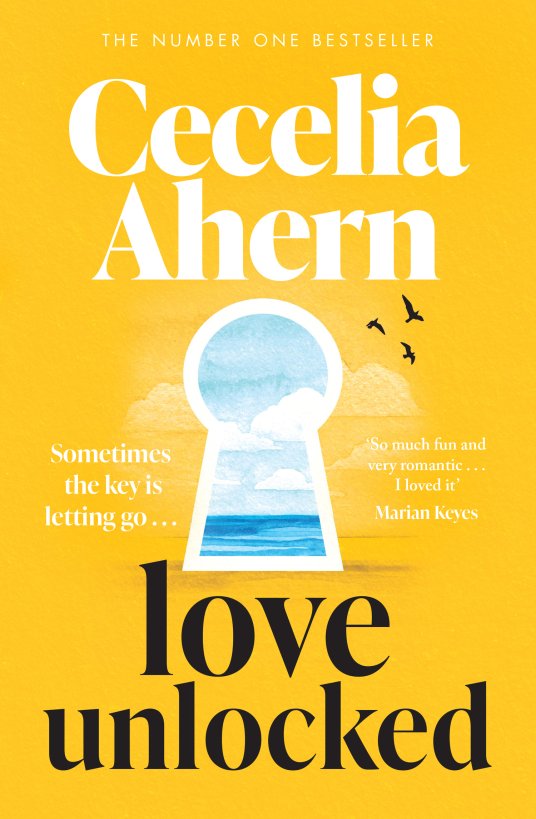
Cover of Love Unlocked by Cecelia Ahern

Love Unlocked

Cecelia Ahern

Published in the United Kingdom

Romance/Romantasy
HarperFiction · 27 August 2026

Short review (189 words)

Cecelia Ahern, the Dublin author of PS, I Love You, returns with Love Unlocked, a romantic comedy with a magical twist that is shortlisted at the 2026 An Post Irish Book Awards. It is warm, funny and very Irish in its humour.

Melody, a podcaster and DJ, has vowed never to fall in love again. Al is a hopeless romantic nursing a painful betrayal. A few weeks before they meet, Al ordered the removal of thousands of lovers' padlocks from a bridge in Dublin because their weight was damaging it. Since then, couples all over the world have mysteriously started breaking up. As Melody investigates the strange wave of heartbreak for her podcast, she and Al keep bumping into each other.

Ahern weaves in the real and tragic love story of Grace Gifford and Joseph Plunkett, who married in Kilmainham Gaol in 1916 hours before his execution, and it gives the book unexpected depth. The supporting cast is lively, and the central couple's chemistry is charming. Some coincidences require goodwill, but that is part of the fun. Perfect for readers who like their romance with a sprinkle of whimsy.

Coverage & sources

Publisher / retailer page

Full review (260 words)

Few writers have shaped modern romantic fiction quite like Cecelia Ahern, whose debut PS, I Love You became an international phenomenon. Her latest novel, Love Unlocked, published by HarperFiction in August, has been shortlisted at the 2026 An Post Irish Book Awards, and it shows her still finding fresh ways to write about love.

The setup is a delightful blend of rom-com and mystery. Al, an engineer still reeling from discovering that his fiancée and his best friend were together behind his back, has had all the love locks removed from a Dublin bridge because their weight is a safety risk. Shortly afterwards, couples begin splitting up at an alarming rate, not only in Dublin but across the world. Melody, a commitment-shy podcaster who has decided love is not for her, starts digging into the phenomenon and soon tracks down the man responsible.

What follows is a gently magical romance in which two people who have given up on love are drawn together while trying to solve everyone else's heartbreak. Ahern grounds the whimsy in history by weaving in letters and the story of Grace Gifford and Joseph Plunkett, the Irish revolutionaries who married in Kilmainham Gaol in 1916 on the eve of his execution. Those sections add poignancy and a sense of how love endures.

The middle section repeats itself a little, and the plot relies on convenient meetings. But Ahern's humour, generosity and gift for character carry it. This is a comforting, uplifting read for fans of her earlier work and anyone in need of a little enchantment.
Mystery/Thriller/Suspense

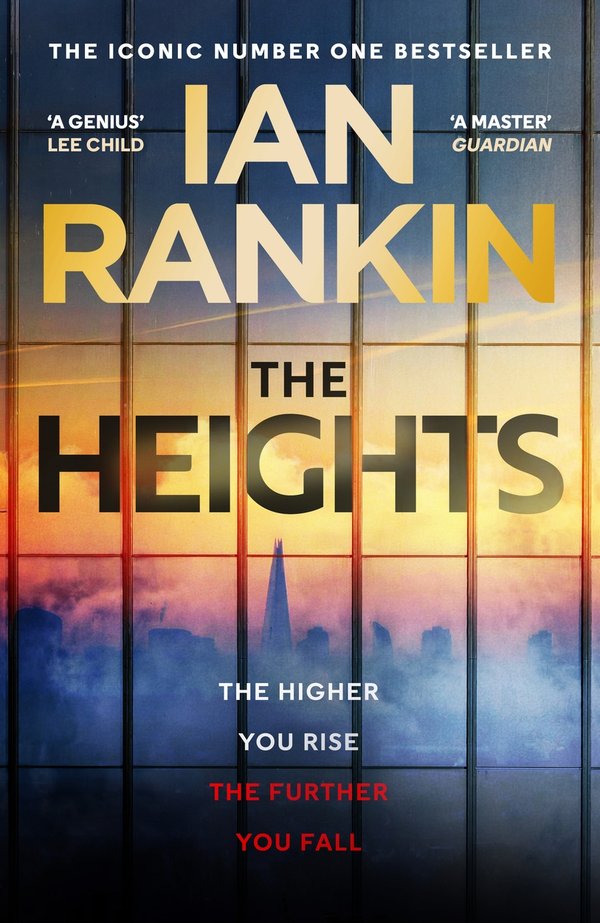
Cover of The Heights by Ian Rankin
Bestseller

The Heights

Ian Rankin

Published in the United Kingdom

Mystery/Thriller/Suspense
Orion · 8 October 2026

Short review (179 words)

Ian Rankin steps away from Edinburgh and John Rebus for his first standalone thriller in about two decades, and the move pays off. The Heights is a sleek, clever whodunnit set in a gleaming new tower overlooking London's Hyde Park, a billionaire's playground of steel and smoked glass.

When the building's night concierge is found dead in the lobby, Detective Sergeant Gillian Gish is sent in to investigate. A born-and-bred Londoner with a sharp tongue and little patience for privilege, she finds herself facing residents who are rich, powerful and very unused to answering questions. Every one of them could be a suspect, and the building itself seems designed to keep outsiders away.

Rankin expanded the novel from an earlier short story, and it has the tight construction of a classic country-house mystery transplanted to a vertical village. The large cast is handled with confidence, the social commentary about wealth and influence is pointed without preaching, and the ending is genuinely ingenious. Gish is a terrific new lead, and many readers will hope she returns. Essential for crime fans.

Coverage & sources

Publisher / retailer page

Full review (235 words)

The Heights is Ian Rankin's first standalone thriller in roughly twenty years, and it finds the creator of John Rebus on fine form in an unfamiliar setting. Published by Orion in October and described by its publisher as an instant Sunday Times bestseller, it was praised in Laura Wilson's Guardian crime round-up as being well up to his usual high standard.

The setting is The Heights, a luxurious new high-rise looming over Hyde Park, built for the global super-rich. Its residents are used to discretion, security and getting their own way. When the night concierge is found murdered in the lobby, that bubble bursts, and Detective Sergeant Gillian Gish arrives to start asking questions. She is a London native, cynical, bolshie and quietly decent, and the gulf between her world and theirs drives much of the novel's energy.

Rankin structures the story like a traditional closed-circle mystery. Each floor brings new suspects with secrets to protect, and a couple of subplots complicate matters further. He keeps the many strands clear and moving, and his eye for the absurdities of extreme wealth gives the book a satirical edge.

What lifts it above a simple puzzle is Gish herself, a heroine with a clear moral compass and a dry wit that makes her excellent company. The final twists are neatly set up and satisfying. Rebus fans will not feel short-changed, and newcomers have an ideal starting point.

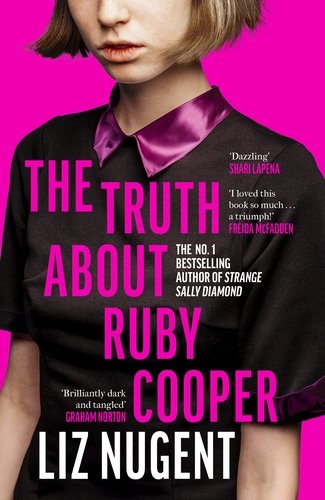
Cover of The Truth About Ruby Cooper by Liz Nugent
Bestseller

The Truth About Ruby Cooper

Liz Nugent

Published in Ireland

Mystery/Thriller/Suspense
Sandycove · 12 March 2026

Short review (187 words)

Liz Nugent has made a career out of fearless psychological fiction, and her sixth novel may be her most morally complicated yet. It was RTÉ's Book of the Week in April and is shortlisted at the 2026 An Post Irish Book Awards.

Ruby Cooper and her sister, Erin, grow up in a close-knit church community in Boston. When Ruby is sixteen, she is involved in an incident that blows the family apart, and the story follows the fallout across decades and across the Atlantic, with Ruby eventually living in Dublin and Erin remaining in Boston. Ruby would rather not think about the past. The past, of course, has other plans.

Nugent explores how one event can be told in competing ways, and how blame, shame and family loyalty can warp lives for years. Ruby is a difficult, layered character, by turns infuriating and sympathetic, and Nugent never makes it easy to decide what you think of her. The subject matter is dark and some readers will find it uncomfortable. Those who loved Unravelling Oliver or Strange Sally Diamond will find her at the top of her game.

Coverage & sources

Publisher / retailer page

Full review (270 words)

Liz Nugent has a gift for narrators who make readers squirm, and The Truth About Ruby Cooper, published in March by Sandycove, the Irish imprint of Penguin, is one of her most daring books. It was reviewed in The Irish Times crime column, chosen as RTÉ's Book of the Week, and has been shortlisted at the 2026 An Post Irish Book Awards. Nugent's website reports that it went to number one in the Irish charts.

The story begins in Boston, where Ruby Cooper and her sister Erin are raised within a tight church community that values appearances. When Ruby is sixteen, an incident occurs that splits the family and sets off a chain of consequences lasting decades. As adults the sisters live on opposite sides of the Atlantic, Ruby in Dublin and Erin in Boston, but neither can escape what happened.

Nugent is less concerned with a single shocking revelation than with how a family constructs and defends its version of events. She examines rivalry between siblings, the way communities assign guilt, and how a lie can become an inheritance. Ruby herself is complex and often unsettling company; Nugent gives her a voice that is sharp, funny and self-justifying, and refuses to make her simply a victim or a villain.

The novel deals with sexual violence and an accusation that divides a family, and it handles those themes in a way that will provoke debate. Some readers may find it hard going. But the craftsmanship is undeniable, the structure is beautifully controlled, and the final pages land with real force. It is essential reading for fans of dark, character-driven suspense.

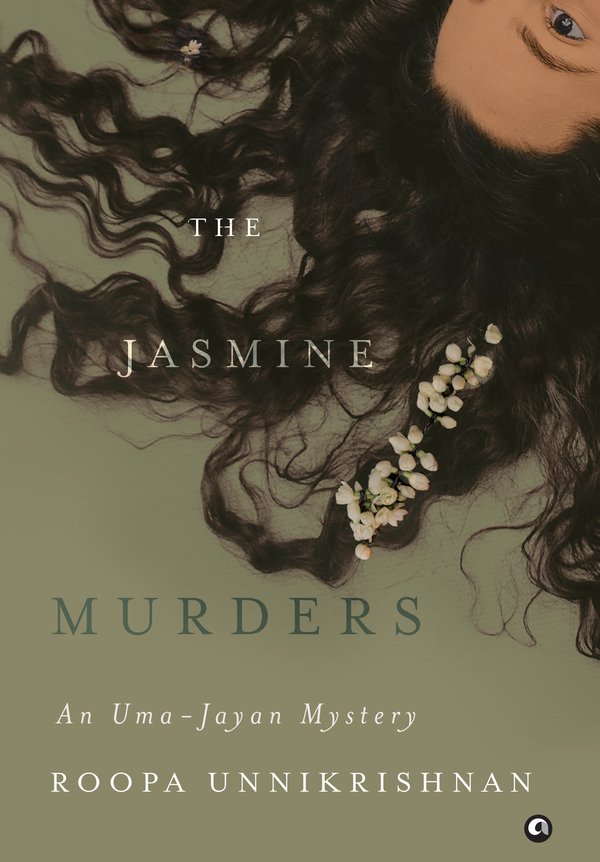
Cover of The Jasmine Murders by Roopa Unnikrishnan

The Jasmine Murders

Roopa Unnikrishnan

Published in India

Mystery/Thriller/Suspense
Aleph Book Company · 5 January 2026

Short review (184 words)

Roopa Unnikrishnan's debut, the first Uma-Jayan Mystery, is a charming period crime novel set in a corner of India that rarely appears in fiction. It is the early 1960s in Manamadurai, a small town in Tamil Nadu, where Jayan has just arrived as the new Assistant Superintendent of Police, accompanied by Uma, his bride of only forty days.

Both are Malayalis and outsiders in the town, still getting to know the place and each other, when a series of crimes disturbs the local calm. Jayan must investigate amid communal tensions and gossip, while the curious, observant Uma quietly begins to help, noticing things that others overlook.

The Hindu's review highlighted the novel's period atmosphere, and it is a pleasure to spend time in this world of humid streets, temple towns and colonial-era bureaucracy. Unnikrishnan has said the couple were partly inspired by her own parents, which gives the central marriage a warm, believable texture. The mystery itself builds steadily towards a dramatic climax on the coast. It will delight readers who enjoy historical sleuthing duos and crime fiction with a strong sense of place.

Coverage & sources

Publisher / retailer page

Full review (255 words)

The Jasmine Murders, published by Aleph Book Company in New Delhi and reviewed in The Hindu in March, introduces a new crime-solving partnership in Indian fiction. Roopa Unnikrishnan, making her debut as a novelist, sets the story in the early 1960s in Manamadurai, a provincial town in southern Tamil Nadu.

Jayan, a young officer, has taken up his post as Assistant Superintendent of Police, and he brings with him his new wife, Uma, whom he married just forty days earlier. Both are from Kerala, so they are newcomers in more ways than one: learning the language and customs of the town while still discovering each other. When a string of crimes unsettles the community, Jayan is under pressure to find answers, and Uma, sharp-eyed and quietly determined, becomes an unofficial partner in the investigation.

Much of the book's appeal lies in its setting. Unnikrishnan evokes the heat, the scent of jasmine, the social hierarchies and the fault lines that run beneath small-town life, and she captures a newly independent India still shaped by colonial institutions. The author has said the couple were partly inspired by her parents, and the gradual deepening of their marriage is one of the novel's quiet pleasures.

The plotting is solid rather than flashy, and readers expecting relentless twists may find the pace gentle. But the story builds to a vivid finale on the coast near Dhanushkodi, and the characters are engaging enough that a series feels very welcome. Recommended for fans of historical mysteries with a strong sense of place.

Literary/General Fiction

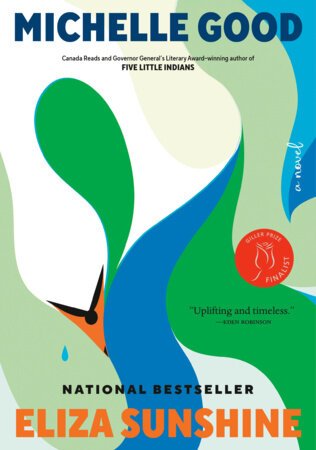
Cover of Eliza Sunshine by Michelle Good

Eliza Sunshine

Michelle Good

Published in Canada

Literary/General Fiction
Random House Canada · 18 August 2026

Short review (178 words)

Michelle Good, whose debut Five Little Indians won the Governor General's Literary Award and Canada Reads, returns with Eliza Sunshine, a multigenerational novel shortlisted for the 2026 Giller Prize. It follows three generations of Cree women: Eliza, who comes home after years in a residential school; her grandmother, her nôhkom, Swan; and Eliza's daughter, Ella.

Good, a member of Red Pheasant Cree Nation and a former lawyer who worked with residential school survivors, has drawn on family history, and the novel carries the weight of lived knowledge without ever becoming a lecture. Its focus is on what is passed down between mothers and daughters: language, land, stories, and also the wounds left by institutions designed to sever those ties.

The prose is clear and unhurried, giving each woman room to be stubborn, funny and flawed rather than simply symbolic. The emotional power builds quietly, through small domestic moments as much as large historical ones. It is a moving, important read for anyone who valued Five Little Indians, and an accessible entry point for readers new to Good's work.

Coverage & sources

Publisher / retailer page

Full review (251 words)

Michelle Good made a remarkable debut with Five Little Indians, which won the Governor General's Literary Award and Canada Reads in 2022. Her second novel, Eliza Sunshine, is on the 2026 Giller Prize shortlist, and it widens her lens from a group of survivors to a single family seen across three generations of Cree women.

Eliza is the hinge of the book. She returns home after years spent in a residential school, carrying experiences she cannot easily name, to a community and a family that have also been changed by her absence. Her grandmother Swan, her nôhkom, holds older knowledge and older griefs, while Eliza's daughter Ella grows up in the long shadow of what happened before she was born. Good, a member of Red Pheasant Cree Nation who spent years as a lawyer representing residential school survivors, has said the novel draws on her own family history.

That closeness shows in the detail. The novel is attentive to everyday life, to work, food, humour and the push and pull between relatives who love each other but cannot always reach each other. Good writes plainly and with great control, letting the historical injustice sit underneath the story rather than on top of it, so that its impact accumulates gradually.

If there is a reservation, it is that the steady pace asks for patience in the early chapters. Readers who give it that patience will find a deeply humane novel about inheritance, resilience and the ways women keep culture alive under pressure.

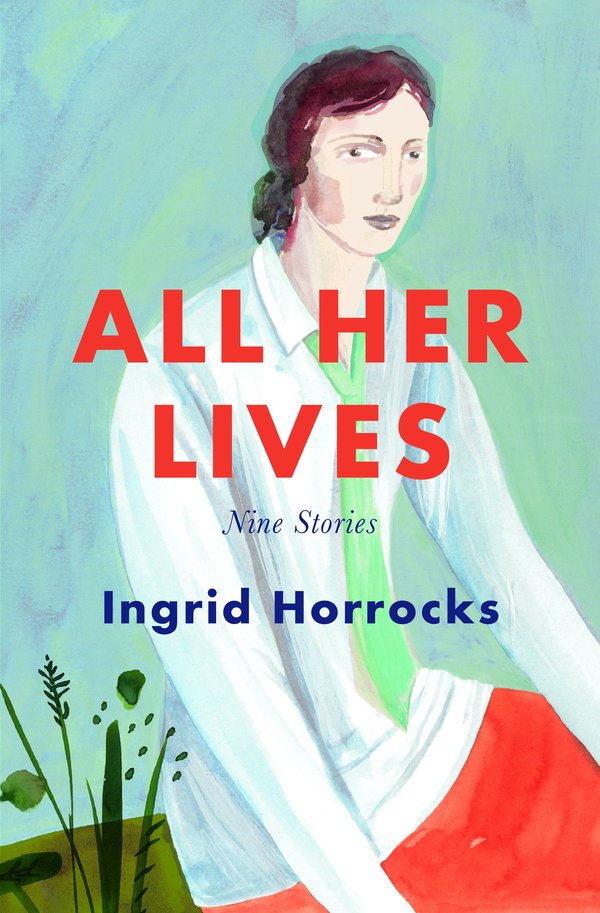
Cover of All Her Lives by Ingrid Horrocks

All Her Lives

Ingrid Horrocks

Published in New Zealand

Literary/General Fiction
Te Herenga Waka University Press · 9 October 2025

Short review (178 words)

Wellington essayist and poet Ingrid Horrocks made her fiction debut with All Her Lives, and promptly won New Zealand's biggest literary prize, the $65,000 Jann Medlicott Acorn Prize for Fiction at the 2026 Ockham New Zealand Book Awards. It is a collection of nine linked stories about women at different stages of life, ranging from the late eighteenth century to the unsettled present.

The settings are wonderfully varied: rural Wairarapa, cold Norwegian ports, a rave in mid-2000s Berlin, and the garden of Plunket founder Truby King. One story follows a mother confronting the cost of her son's climate activism. Running through the whole book is the figure of Mary Wollstonecraft, the early feminist writer, whose own travels and grief echo across the centuries.

Horrocks writes with precision and warmth, and her background in history and travel writing gives the stories a strong sense of place. The collection rewards slow reading; connections between the women surface gradually. It is ideal for readers who enjoy thoughtful short fiction about love, politics, motherhood and the freedoms women have fought for.

Coverage & sources

Publisher / retailer page

Full review (261 words)

All Her Lives is the first work of fiction from Ingrid Horrocks, a Wellington writer previously known for her memoir Where We Swim, two poetry collections and a literary history of women travellers. In May 2026 it won the Jann Medlicott Acorn Prize for Fiction, worth $65,000, at the Ockham New Zealand Book Awards, beating a strong shortlist that included Catherine Chidgey.

The book gathers nine stories, each centred on a woman at a particular point in her life, and together they span more than two centuries. Horrocks moves from girls raised in the garden of Truby King, the founder of New Zealand's Plunket child-health movement, to a queer university student at a Berlin rave in the mid-2000s, to rural Wairarapa and the icy ports of Norway. In one of the most affecting pieces, a mother has to reckon with what her son's climate rebellion will cost the family.

Threaded through the collection is Mary Wollstonecraft, whose eighteenth-century journey through Scandinavia, undertaken in grief and political ferment, becomes a kind of guiding presence. Horrocks uses her lightly, as an echo rather than a lesson, and the effect is to make the women's struggles feel connected across time.

The writing is controlled and observant, with sentences that reward attention, and the judges' description of the book as emotionally intelligent and historically alert feels apt. Some readers may want more plot from individual stories, but the cumulative effect is rich and quietly powerful. This is a fine choice for anyone who loves literary short fiction or historically minded writing about women's lives.

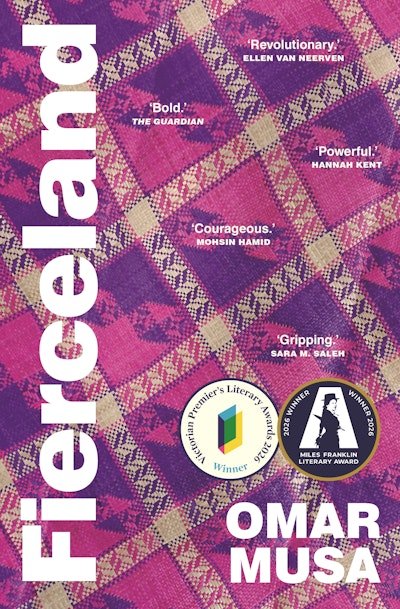
Cover of Fierceland by Omar Musa

Fierceland

Omar Musa

Published in Australia

Literary/General Fiction
Penguin Books Australia · 2 September 2025

Short review (170 words)

Omar Musa's second novel, winner of the 2026 Miles Franklin Literary Award, is a big, restless family saga that refuses to sit still in one place or one voice. Siblings Roz, an artist in Sydney, and Harun, who has made a life in Los Angeles, return to Kota Kinabalu in Malaysian Borneo for the funeral of their father, Yusuf Mansur, a man who grew rich from palm oil and left a complicated legacy behind him.

From that homecoming the book fans outwards. It opens in 1998 with a journey into the forest, then moves between decades and continents, taking in the parents' first meeting in Adelaide and threads that reach as far as 1970s Nigeria and nineteenth-century Venice. Musa, also a poet and rapper, gives voice to many characters, including the forest itself, and engages directly with Joseph Conrad's Heart of Darkness. The result is ambitious, musical and angry about extraction and empire, yet tender towards its damaged family. Readers who enjoy sweeping, polyphonic fiction will find plenty to admire.

Coverage & sources

Publisher / retailer page

Full review (251 words)

Fierceland, Omar Musa's second novel, won the 2026 Miles Franklin Literary Award and the Victorian Premier's Prize for Fiction, and it is easy to see why judges responded to its scale and nerve. At its centre is a family summoned home. Roz, an artist based in Sydney, and her brother Harun, who lives in Los Angeles, return to Kota Kinabalu in Malaysian Borneo after the death of their father, Yusuf Mansur, a palm-oil magnate whose wealth came at a cost to land and people.

The funeral is only the starting point. Musa opens in 1998 with a trip into the forest, then roams freely across time: the parents' meeting in Adelaide as students, the siblings' divergent adult lives, and strands set in 1970s Nigeria and nineteenth-century Venice. Joseph Conrad appears in person, and the novel can be read as a deliberate answer to Heart of Darkness, told from the side of the people and places such stories usually silence.

What makes the book distinctive is its chorus of voices. Musa, who is also a poet and performer, writes with rhythm and swagger, and he lets the forest speak alongside his human characters, drawing on the Malay hikayat storytelling tradition. That sometimes makes for demanding reading, and not every thread carries equal weight. But the anger about environmental destruction is matched by real compassion for a family trying to understand what their father built and what it destroyed. It is a bold, generous novel for readers who like their literary fiction expansive.

Nonfiction (Memoir/Self-help/Cooking)

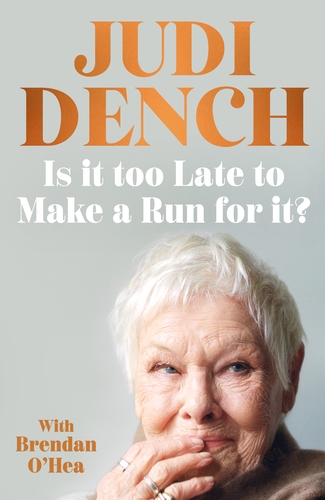
Cover of Is It Too Late to Make a Run for It? by Judi Dench (with Brendan O'Hea)
Bestseller

Is It Too Late to Make a Run for It?

Judi Dench (with Brendan O'Hea)

Published in the United Kingdom

Nonfiction (Memoir/Self-help/Cooking)
Michael Joseph (Penguin) · 22 October 2026

Short review (207 words)

Judi Dench has written about Shakespeare before, but this is the more personal book her audience has waited for. Is It Too Late to Make a Run for It? is a memoir written in collaboration with her friend and writing partner Brendan O'Hea, the same partnership behind her bestselling Shakespeare: The Man Who Pays the Rent. It covers seven decades on stage and screen, and goes back to her upbringing in York.

The publisher's description promises the Dench that interviews have long hinted at: mischievous, self-deprecating and sharp. There are pranks on stage and off, being locked out of the Oscars, a close call with crocodiles in Borneo, and her long, happy marriage to the actor Michael Williams. The collaborative, conversational method suits her. It lets the book sound like Dench talking rather than a polished autobiography, which should please readers who value voice over a strict chronology.

The open question for any late-life celebrity memoir is candour, and how much she chooses to reveal will decide whether this is a treasure or simply a pleasure. Readers have plainly decided to find out: it was the UK's No. 1 hardback nonfiction title in its launch week. For theatre lovers it is the gift book of the season.

Coverage & sources

Publisher / retailer page

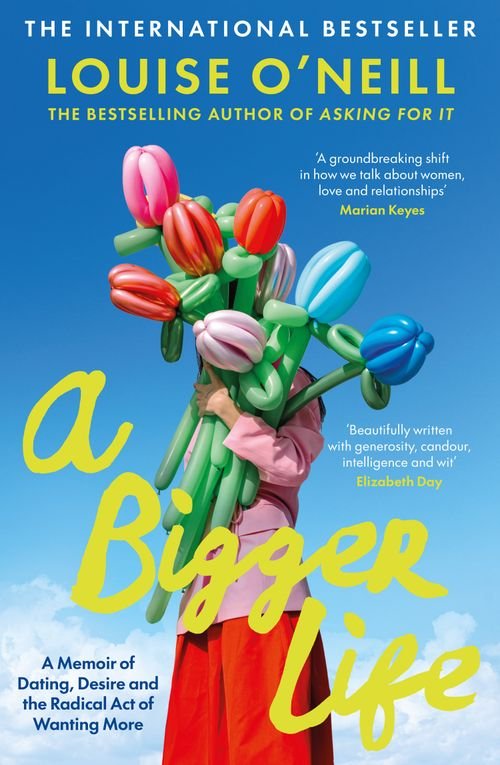
Cover of A Bigger Life by Louise O'Neill

A Bigger Life

Louise O'Neill

Published in the United Kingdom

Nonfiction (Memoir/Self-help/Cooking)
HQ · 11 September 2026

Short review (190 words)

Irish novelist Louise O'Neill, author of Asking For It, turns to memoir with A Bigger Life, a candid, funny and hopeful account of rebuilding after heartbreak. It has been reviewed in The Irish Times and the Irish Independent and is shortlisted at the 2026 An Post Irish Book Awards.

At thirty-eight, O'Neill finds herself single after the end of a long relationship with a partner with whom she had bought a house and imagined a future. Faced with all the familiar fears women are taught to have about time running out, she decides to try something different: a year of saying yes. She travels to Paris, London and New York, dates widely, explores therapies and retreats, and asks what she actually wants rather than what she is supposed to want.

O'Neill writes with warmth and vulnerability about ageing, desire, motherhood, her past eating disorder and the way online culture shapes our expectations of love. The Paris chapters in particular are full of sensual pleasure. Comparisons with Eat, Pray, Love are inevitable, but her feminist sharpness gives the book its own voice. It is an uplifting read for anyone starting over.

Coverage & sources

Publisher / retailer page

Full review (262 words)

Louise O'Neill made her name with hard-hitting fiction such as Only Ever Yours and Asking For It. In A Bigger Life, published by HQ in September, she turns her clear eye on herself. The memoir has been reviewed in The Irish Times and the Irish Independent and is on the 2026 An Post Irish Book Awards shortlist.

The book begins with a breakup. At thirty-eight, O'Neill's long relationship ends, along with the house and future she had planned around it. She writes honestly about the panic that follows, the cultural messaging that tells women over thirty-five they are running out of time, and her fears about motherhood and desirability. Rather than settle, she sets out to discover what she wants, travelling to Paris, London and New York, going on a great many dates and experimenting with wellness practices, retreats and therapies.

The strongest passages connect this adventure to her history: years lost to an eating disorder, the aftermath of sexual assault, and a long struggle to feel at home in her body. Against that background, her pursuit of pleasure and connection feels like a reclaiming. She is also perceptive about how online discourse turns dating into a battleground, and she finds, to her own surprise, more good people than bad.

Critics have noted that the book could probe the costs of its wellness journey more deeply, and readers wary of self-discovery memoirs may feel the format is familiar. Yet O'Neill's humour, candour and warmth make it a generous companion, especially for anyone navigating heartbreak or the pressure to have life figured out.

Puzzle Mysteries (rising)

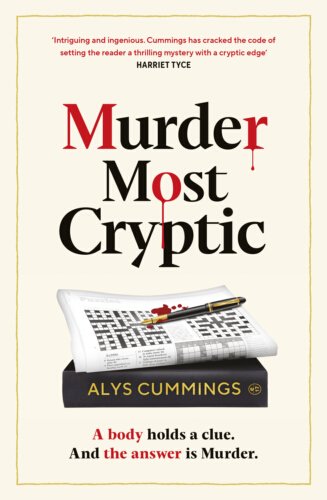
Cover of Murder Most Cryptic by Alys Cummings

Murder Most Cryptic

Alys Cummings

Published in the United Kingdom

Puzzle Mysteries (rising)
Michael Joseph · 8 October 2026

Short review (189 words)

Crime and crosswords collide in Alys Cummings's debut, a puzzle mystery reviewed in The Guardian's October crime round-up and a natural fit for fans of Murdle and Richard Osman. Cummings, a former local newspaper journalist and BBC Panorama staffer from the north-east of England, brings both newsroom savvy and a setter's mischief to the page.

Nina is a promising young journalist who is also an alcoholic. Once a week she attends a recovery group in a church hall. One night a stranger walks in, and the group assume he is a new member, until he promptly drops dead. The police see nothing more than an accident, but in the dead man's pocket is a cryptic crossword clue whose answer is Murder. When more threatening clues begin appearing in a newspaper crossword, Nina and her fellow group members decide to crack the case themselves.

The clues are woven through the story for readers to solve, with answers provided, which makes the book unusually interactive. What gives it depth is the honest portrayal of addiction and recovery beneath the fun. It is a clever, warm and distinctive debut. Sharpen your pencils.

Coverage & sources

Publisher / retailer page

Full review (263 words)

Murder Most Cryptic is the debut novel of Alys Cummings, a journalist who worked on local newspapers, for a news agency at the Old Bailey and for BBC Panorama. Published by Michael Joseph in October and featured in Laura Wilson's Guardian crime round-up, it is a puzzle mystery with a genuinely fresh hook: the clues are cryptic crossword clues, and readers can try to solve them alongside the characters.

The heroine, Nina, is a talented young reporter and a recovering alcoholic who goes to a weekly support group in a local church hall. When an unfamiliar man joins one evening, everyone assumes he has come for help. Moments later he collapses and dies. The police conclude it was an accident, but the group find a crossword clue in his pocket, and the answer is Murder. More clues then start to appear in a newspaper's crossword, each more menacing than the last, and the group realise one of them could be next.

Cummings plays fair with her puzzles, building them into the narrative and supplying the solutions at the end, so solvers and non-solvers alike can enjoy the ride. The cast of misfits is likeable, and their shared struggles with addiction lend the story more emotional weight than the average cosy mystery. There is a darker edge, too, as the threats escalate.

The tone occasionally wobbles between light-hearted puzzling and serious subject matter, and the plot leans on coincidence at times. Still, this is an inventive, entertaining debut, ideal for anyone who starts the day with a crossword and ends it with a whodunnit.

Science Fiction

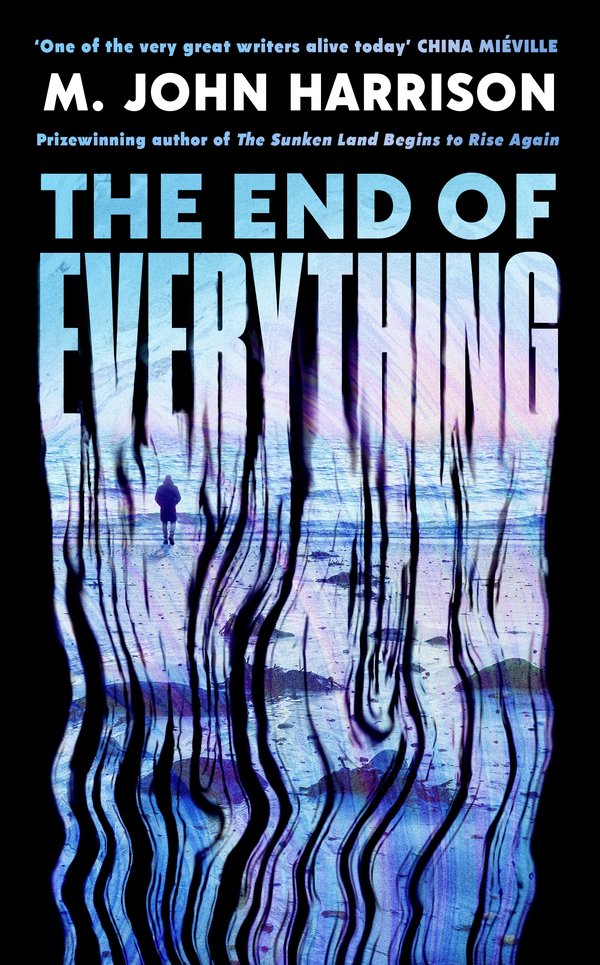
Cover of The End of Everything by M. John Harrison

The End of Everything

M. John Harrison

Published in the United Kingdom

Science Fiction
Serpent's Tail · 18 June 2026

Short review (183 words)

M. John Harrison has spent more than half a century bending science fiction into strange new shapes, and The End of Everything has brought him to the Booker Prize shortlist. It is a near-future novel set on the Kent coast of England, some years after a crisis whose exact nature nobody can quite agree on.

Phillip Tennent scrapes a living as a beachcomber, collecting whatever the Channel washes up. Government barely functions, Europe seems to have been mislaid, the sky glitches and the sea is full of unfamiliar creatures. Then Phillip pulls something from the water that he cannot keep: an object, or creature, that will not stay the same, and which he must carry inland.

This is not a book of tidy explanations. Harrison has long argued that science fiction should embrace the inexplicable, and here he does exactly that, with dreamlike, painterly prose and flashes of dark satire about how people carry on while everything falls apart. Critics have been divided, with some finding it opaque. Readers who enjoy Harrison, Jeff VanderMeer or Christopher Priest will find it mesmerising and unsettling.

Coverage & sources

Publisher / retailer page

Full review (260 words)

At 81, M. John Harrison is one of the elder statesmen of British speculative fiction, and The End of Everything, published by Serpent's Tail, has put him on the 2026 Booker Prize shortlist. Should he win on 9 November, he would be the oldest winner in the prize's history. The novel shows why his admirers prize him and why he can divide readers.

The setting is the coastline of Kent in a near future that has already lived through some kind of catastrophe. No one can explain what happened. The government barely functions, the sea teems with new forms of life, Europe has somehow gone missing and the sky itself seems to malfunction. Phillip Tennent gets by on the tideline, picking up artefacts from the Channel, until he retrieves something that keeps changing and that he cannot simply sell or hide. He has to take it inland.

Harrison is less interested in answers than in atmosphere and perception. His prose is exact and luminous, full of chalky light, damp seaside towns and uneasy encounters, and the reader is invited to dwell in uncertainty rather than solve it. Beneath the strangeness is sharp satire about a society that keeps going about its business while its explanations of the world collapse.

Reviews have ranged from rapturous to sceptical, with The Irish Times finding it rudderless and The Guardian praising its vision. That is a fair guide: if you want a conventional apocalypse with clear stakes, this is not it. If you enjoy fiction that unsettles and lingers, it is a remarkable experience.

Horror

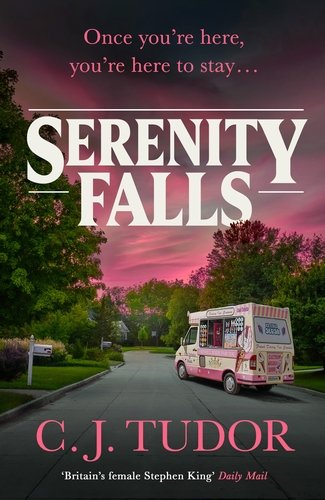
Cover of Serenity Falls by C. J. Tudor

Serenity Falls

C. J. Tudor

Published in the United Kingdom

Horror
Michael Joseph · 10 September 2026

Short review (180 words)

C. J. Tudor, the British author behind The Chalk Man and The Burning Girls, turns her eye on the American dream in Serenity Falls, a creepy slow-burn chiller that was featured in The Guardian's September round-up of the best new horror.

Widower Dan and his daughter Sadie leave a troubled past in England for a fresh start in Serenity Falls, a planned community in Florida that prides itself on having no crime at all. The houses are pristine, the neighbours are friendly and the lawns are perfect. Then a dead body turns up in their swimming pool, and it soon emerges that this idyllic town has seen a surprising number of unfortunate accidents in its fifty-year history.

Tudor is excellent at the gradual creep of wrongness: abandoned houses, odd behaviour and polite smiles that hide something. The father-daughter relationship gives the book an emotional anchor, and her dark humour keeps the pages turning. Comparisons with The Stepford Wives and classic Stephen King are earned. It is a satisfying pick for readers who like their horror suburban, mysterious and steadily unnerving.

Coverage & sources

Publisher / retailer page

Full review (248 words)

C. J. Tudor has built a strong following with The Chalk Man, The Burning Girls and The Drift, novels that sit somewhere between crime and horror. Serenity Falls, published by Michael Joseph in September and reviewed by Lisa Tuttle in The Guardian's round-up of recent horror, is one of her most enjoyable books yet, swapping English villages for the manicured lawns of Florida.

The premise is classic. Dan, a widower, and his daughter Sadie move from the UK to Serenity Falls, a carefully planned community that boasts of having no crime. It seems the perfect place to start again. Almost immediately, though, a body is discovered in their pool, and as Dan starts asking questions he learns that the town has a long record of fatal accidents stretching back over its fifty years. As the community prepares to celebrate its anniversary, more odd discoveries pile up, from empty houses to unexplained activity at night.

Tudor's great skill is in making the ordinary sinister. Neighbourly kindness feels like surveillance, and rules that seem quaint gradually look like something worse. She balances suspense with warmth, particularly in the relationship between Dan and Sadie, and with the wry humour that runs through her work.

The book is long, and the middle section occasionally lingers, but the payoff is worth the wait. It will appeal to fans of Stephen King's small-town horror, Ira Levin's The Stepford Wives and anyone who has ever suspected that a town seemed too good to be true.

Historical Fiction

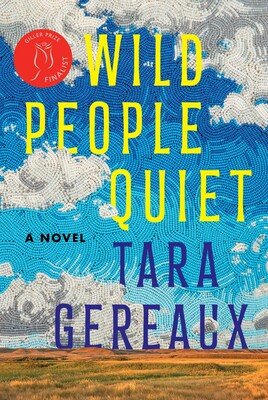
Cover of Wild People Quiet by Tara Gereaux

Wild People Quiet

Tara Gereaux

Published in Canada

Historical Fiction
Scribner Canada · 3 March 2026

Short review (182 words)

Tara Gereaux's Giller Prize-shortlisted novel takes readers to rural Saskatchewan in 1946, a place and time rarely seen in fiction. Florence Banks lives in the small town of Torduvalle, where she has built a respectable life on a secret: she is Métis, passing as white, and she dyes her hair blonde to keep the illusion intact.

That fragile arrangement is tested when Métis farm workers arrive in the district and the government begins pursuing plans to move Métis families off the land they have long occupied. Florence is forced to decide how much of herself she can keep hidden, and at what cost to the people she has distanced herself from.

Gereaux, a Regina writer and the author of Saltus and Size of a Fist, handles this material with restraint. The tension lies less in dramatic events than in what goes unsaid at dinner tables, church halls and kitchen doors. The prairie setting is vividly drawn, and Florence is a complex, sometimes frustrating heroine whose choices feel painfully human. A thoughtful historical novel about identity, belonging and the quiet violence of assimilation.

Coverage & sources

Publisher / retailer page

Full review (249 words)

Wild People Quiet, shortlisted for the 2026 Giller Prize, is the kind of historical novel that illuminates a chapter many readers will know little about. Tara Gereaux, a Regina author whose earlier books include Saltus and Size of a Fist, sets her story in 1946 in Torduvalle, a small Saskatchewan town where reputations are everything and differences are noticed.

Florence Banks has made herself fit in. She is Métis, but she lives as a white woman, colouring her hair blonde and guarding her history carefully. Her careful life begins to shift when Métis labourers come to work on local farms, and when government plans to remove Métis people from their land start to take shape. Suddenly the community Florence has kept at arm's length is on her doorstep, and the cost of her silence becomes impossible to ignore.

Gereaux is good on the textures of postwar prairie life: the weather, the work, the small social rituals that police who belongs. She avoids melodrama, preferring to let pressure build through glances, half-truths and conversations that stop when someone enters the room. Florence is not always likeable, and that is a strength; her compromises are shown as survival rather than simple betrayal.

The pacing is measured, and readers who want a fast plot may find the middle section slow. But the novel's moral seriousness and emotional honesty are considerable. It is a rewarding read for fans of quiet, character-driven historical fiction and anyone interested in Indigenous histories of the Canadian West.

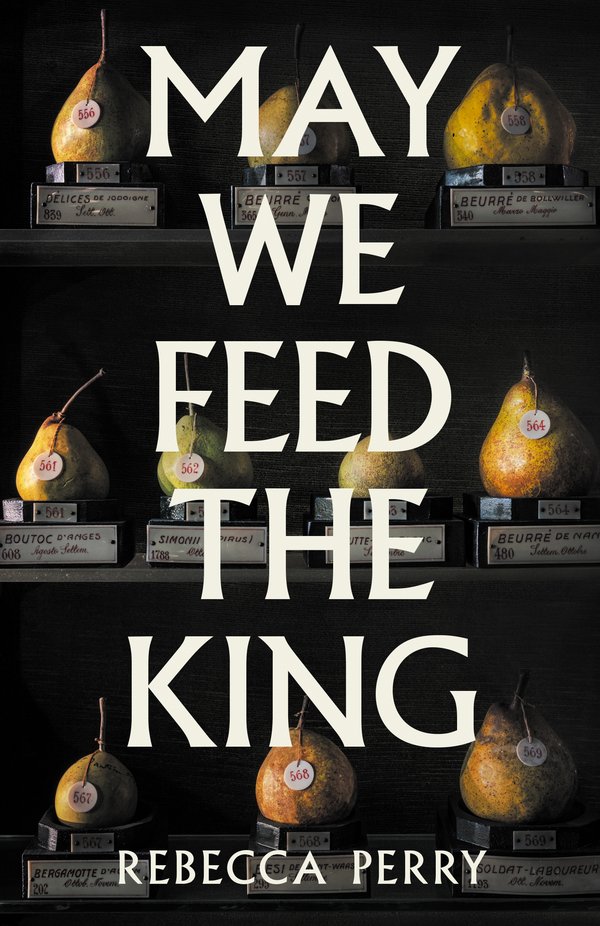
Cover of May We Feed the King by Rebecca Perry
Bestseller

May We Feed the King

Rebecca Perry

Published in the United Kingdom

Historical Fiction
Granta · 29 January 2026

Short review (182 words)

Poet Rebecca Perry's debut novel has had a remarkable year, reaching the 2026 Booker Prize shortlist and winning the Waterstones Debut Fiction Prize. It is a playful, unusual book that blends a contemporary story with a half-glimpsed medieval past.

In the present, an unnamed curator is hired to dress the rooms of an old palace for visitors, arranging replica feasts down to the last pomegranate. Working with the palace archivist, the curator becomes absorbed by the brief reign of a forgotten king who never wanted the crown. Third in line, he came to the throne after the deaths of his brothers and showed little appetite for power, which soon set whispers moving through the court.

Perry tells the king's story in fragments, through rooms seen from doorways and conversations half overheard, so the reader becomes a kind of ghost wandering the palace. The detail is lush and precise, while the larger facts are deliberately withheld. Some readers will find that frustrating; others will be enchanted. For those who enjoy literary puzzles about history and storytelling, it is a rich and original treat.

Coverage & sources

Publisher / retailer page

Full review (261 words)

May We Feed the King is the first novel from Rebecca Perry, a poet previously shortlisted for the T. S. Eliot Prize, and it has become one of the literary stories of 2026: shortlisted for the Booker Prize, winner of the Waterstones Debut Fiction Prize and, according to its publisher, a Sunday Times bestseller. It is also one of the most unusual historical novels in recent memory.

The book moves between two worlds. In the present day, an unnamed curator arrives at a historic palace to create the period room displays that visitors walk through, sourcing historically accurate food and objects with obsessive care. In the archive, the curator encounters the record of a short-lived medieval king, a reluctant ruler who inherited the throne after both his older brothers died and who seemed to want nothing to do with power. As doubts about his fitness to rule grow at court, the idea takes hold that someone else might rule in his place.

Perry refuses the usual comforts of the genre. Names are withheld, motives are obscured, and we see the court in glimpses: through windows, from thresholds, in overheard fragments. At the same time the physical detail is extraordinarily vivid, from banquet dishes to fabrics and light. The effect is of standing in a beautifully staged room, trying to imagine the lives that once filled it.

That ambiguity will not suit every reader, and anyone seeking a conventional royal drama should look elsewhere. But as a meditation on what history can and cannot tell us, it is clever, sensuous and haunting.

Young Adult & New Adult

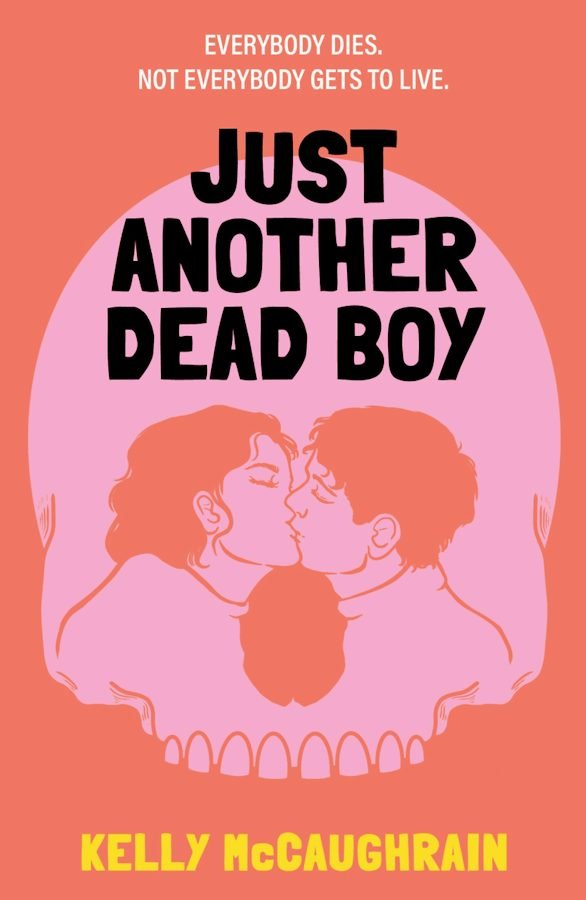
Cover of Just Another Dead Boy by Kelly McCaughrain

Just Another Dead Boy

Kelly McCaughrain

Published in the United Kingdom

Young Adult & New Adult
Walker Books · 4 June 2026

Short review (186 words)

Belfast author Kelly McCaughrain, whose Little Bang was shortlisted for the Carnegie Medal, turns to speculative romance in Just Another Dead Boy, a young adult novel shortlisted at the 2026 An Post Irish Book Awards. It takes a heartbreaking premise and delivers it with wit, warmth and real emotional punch.

In this world, people can know the date they will die, and the wealthy can spend their last weeks at luxury resorts that cater to every final wish. Regan works at one of them. Her job is simple on paper: make a dying guest believe he has found true love before his time runs out. Her newest assignment is Jude, who has a week left to live. The one rule is not to fall for him. Inevitably, the fake romance starts to feel real, and the two begin to wonder whether fate can be challenged.

McCaughrain writes sparkling dialogue and builds her world economically, raising sharp questions about privilege, mortality and who serves whom. It will appeal to readers of They Both Die at the End and anyone who likes romance with bite. Have tissues nearby.

Coverage & sources

Publisher / retailer page

Full review (260 words)

Kelly McCaughrain has already collected a shelf of awards in Ireland for her earlier novels, Flying Tips for Flightless Birds and the Carnegie-shortlisted Little Bang. Just Another Dead Boy, published by Walker Books in June 2026, is her first speculative romance, and it has earned a place on the 2026 An Post Irish Book Awards shortlist.

The premise is striking. In a world where people can learn their exact death dates, the rich are able to check in to exclusive resorts to enjoy their final weeks in comfort. Regan works at one of these resorts, and she is very good at her job: helping guests feel they have found true love before they die. The cardinal rule is that she must never fall in love herself. Then she meets Jude, a guest with just one week to live, and their carefully scripted romance begins to slip off the page.

McCaughrain balances the big ideas with a light touch. The banter between Regan and Jude is sharp and funny, and their relationship develops with genuine tenderness. Beneath the romance lies a pointed critique of a system in which the poor provide comfort to the wealthy at the end of life, and the novel asks how anyone should spend the time they have.

It is a story about grief and hope as much as love, and the emotional moments hit hard, so sensitive readers should be prepared. The ending stays with you. Teens and adults who enjoyed Adam Silvera's They Both Die at the End will find a thoughtful, moving companion here.

True Crime

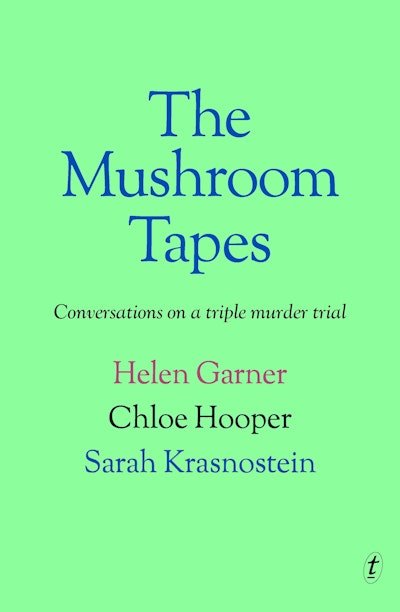
Cover of The Mushroom Tapes by Helen Garner, Chloe Hooper and Sarah Krasnostein
Bestseller

The Mushroom Tapes

Helen Garner, Chloe Hooper and Sarah Krasnostein

Published in Australia

True Crime
Text Publishing · 11 November 2025

Short review (182 words)

Three of Australia's most admired nonfiction writers joined forces for The Mushroom Tapes, an unconventional book about the case that gripped the country: the trial of Erin Patterson, who in July 2025 was convicted of murdering three relatives and attempting to murder a fourth with a lunch containing death cap mushrooms.

Helen Garner, Chloe Hooper and Sarah Krasnostein attended the ten-week trial in Morwell, Victoria, and recorded their conversations as they travelled to and from court. The book is built from those exchanges, with the three authors questioning what they saw, what they felt and why so many people, themselves included, became fixated on the case.

The result is less a conventional courtroom narrative than a thoughtful, often funny and deeply humane discussion of crime, gender, family and storytelling. The authors are frank about the ethics of turning real tragedy into entertainment, and keep the victims and the affected children firmly in view. Published by Text, it was the number one bestseller of 2025 at Melbourne's Readings bookshops. It is an essential read for true crime fans who want more than sensation.

Coverage & sources

Publisher / retailer page

Full review (256 words)

The Erin Patterson trial was one of the most closely followed criminal cases in Australian history. In July 2023, Patterson served a lunch in Leongatha, Victoria, after which three of her guests died and a fourth fell gravely ill from death cap mushroom poisoning. In July 2025, after a ten-week trial in Morwell, she was found guilty of three murders and one attempted murder; she has since been sentenced to life imprisonment and has lodged an appeal.

Among the writers in the public gallery were Helen Garner, Chloe Hooper and Sarah Krasnostein, three of the country's leading literary nonfiction authors. Rather than each writing a separate account, they recorded their conversations, originally with a podcast in mind, during the long drives between Melbourne and the courthouse. The Mushroom Tapes, published by Text in November 2025, is the result, and it topped the 2025 bestseller list at Readings, the Melbourne bookseller.

The conversational format is the book's great strength. The three authors challenge each other, change their minds and admit their own discomfort at being drawn into a spectacle. They discuss motive and evidence, but also media behaviour, the appetite for true crime, and what it means to make literature from other people's grief. Throughout, they show real compassion for the victims, the survivor and the children caught up in the case.

Readers wanting a definitive, chronological account of the trial may find the structure loose. But as an intelligent, candid study of why such stories grip us, it stands apart from the rest of the genre.